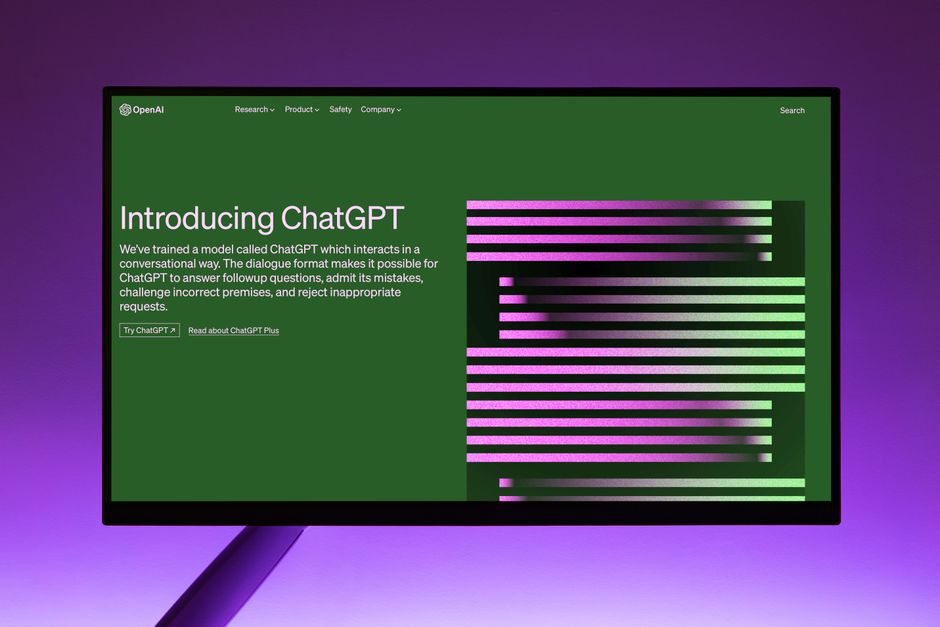
We’re living in an AI-powered future, and the buzz around tools like Google’s Gemini and OpenAI’s ChatGPT is undeniable. While many articles focus on the philosophical implications or the basic “what is it?” questions, let’s get practical. If you’re involved in website development, website design, or even managing your online presence through SEO, Pay Per Click (PPC) advertising, or aiming for visibility on Google News, you might be wondering: “How can these AI tools *really* help me, beyond just generating generic content?”
Forget the sci-fi fantasies for a moment. Today, Gemini and ChatGPT are powerful co-pilots that can streamline your workflow, boost your creativity, and even improve your bottom line. We’re not talking about replacing human ingenuity, but about augmenting it. This article will explore concrete, actionable ways you can integrate these AI assistants into your daily website development and digital marketing tasks, moving beyond the hype to tangible results.
The AI Advantage: Unlocking Efficiency in Website Development and Design
The process of building and designing a website can be a marathon. From initial wireframing to coding, content creation, and ongoing optimization, there are countless steps where AI can lend a hand. Let’s break down how Gemini and ChatGPT can become your indispensable digital team members.
1. Supercharging Your Ideation and Planning Phase
Staring at a blank canvas for a new website or a redesign? AI can be your ultimate brainstorming partner.
- User Persona Generation: Instead of guessing, ask Gemini or ChatGPT to create detailed user personas based on your industry and target audience. You can feed them existing customer data (anonymized, of course) for even more accurate profiles. This helps tailor your design and content to resonate deeply with your ideal visitors.
- Sitemap and Navigation Ideas: Describe your website’s goals and content, and ask the AI to suggest logical sitemaps and intuitive navigation structures. This can save hours of manual planning and ensure a user-friendly experience from the outset.
- Feature Brainstorming: Need innovative features for your e-commerce store or service website? Prompt the AI with your business model and ask for feature ideas that could enhance user engagement or drive conversions.
2. Accelerating Design and Content Creation
This is where many people first think of AI, but let’s go deeper than just blog post generation.
- Wireframing and Layout Suggestions: While AI can’t *design* visually in the traditional sense yet, it can provide excellent textual descriptions of layouts. You can ask it to describe a homepage layout for a tech startup, or a product page for a sustainable fashion brand, giving your designers a strong textual brief to work from.
- Content Outlines and Drafts: This is a well-known benefit, but focus on using it strategically. Instead of asking for a full blog post, ask for an outline on a specific SEO keyword, then request a draft for a particular section. This allows you to maintain control over the narrative and quality.
- Meta Descriptions and Title Tags: Crucial for SEO, crafting compelling meta descriptions and title tags can be time-consuming. Feed the AI your page content and target keywords, and ask for multiple options. This provides a great starting point for optimization.
- Call to Action (CTA) Variations: Experiment with different CTAs to see what resonates best. AI can generate a variety of persuasive CTAs for different contexts, from “Learn More” to “Get Your Free Trial Now!”
- Image Captioning and Alt Text: Improve your website’s accessibility and SEO by generating descriptive captions and alt text for your images. This is often overlooked but vital.
3. Enhancing SEO and PPC Strategies
For businesses focused on organic traffic and paid advertising, AI offers powerful analytical and creative assistance.
- Keyword Research Expansion: Beyond basic keyword tools, ask Gemini or ChatGPT for long-tail keyword ideas related to your core topics, or for questions users might ask about your products/services. This can uncover hidden SEO opportunities.
- Ad Copy Generation and Optimization: For PPC campaigns, AI can generate multiple variations of ad headlines and descriptions, tailored to specific keywords and target audiences. You can even ask it to analyze existing ad copy and suggest improvements for better click-through rates.
- Landing Page Copywriting: AI can help craft persuasive copy for your landing pages, focusing on benefits and clear calls to action, designed to convert visitors from your PPC campaigns.
- Content Gap Analysis: Ask the AI to identify topics within your niche that are underserved by current online content. This can inform your content strategy and help you rank for new keywords.
- Understanding User Intent: By analyzing search queries related to your keywords, AI can help you better understand the underlying intent of your audience, allowing you to create content that directly addresses their needs.
4. Navigating Google News and Content Distribution
Getting your content seen on platforms like Google News requires a specific approach. AI can help you tailor your content for these demanding environments.
- Press Release Drafting: Need to announce a new product or company milestone? AI can help you draft professional press releases that adhere to journalistic standards, increasing your chances of being picked up by news outlets.
- Headline Optimization for News: Crafting catchy, informative headlines that grab attention is key for news. AI can suggest headline variations that are concise, compelling, and informative, suitable for news aggregators.
- Summarizing Complex Information: If your website deals with complex data or research, AI can help create concise summaries that are easily digestible for a news audience.
- Identifying Trending Topics: While not a direct news aggregator, you can prompt AI with your industry and ask it to identify emerging trends or discussions that could be newsworthy.
Practical Tips for Integrating AI into Your Workflow
Simply asking an AI a question is just the first step. To truly leverage these tools, consider these practical approaches:
Start with Clear Prompts
The quality of AI output is directly proportional to the quality of your input. Be specific. Instead of “write about SEO,” try “Generate a 500-word blog post outline for small businesses on the importance of local SEO, focusing on Google Business Profile optimization and local citations.”
Iterate and Refine
AI output is rarely perfect on the first try. Treat it as a draft. Ask follow-up questions, request revisions, and guide the AI towards your desired outcome. “Can you make this section more concise?” or “Please rephrase this using simpler language.”
Fact-Check Everything
AI models can sometimes “hallucinate” or present inaccurate information. Always verify any factual claims, statistics, or technical details generated by the AI with reliable sources.
Maintain Your Brand Voice
AI can mimic styles, but it’s your job to ensure the output aligns with your brand’s unique voice and tone. Edit and adapt the AI-generated content to make it sound authentically yours.
Use AI as a Collaborator, Not a Replacement
The most effective use of AI is in partnership with human expertise. AI can handle repetitive tasks, generate ideas, and draft content, freeing you up for strategic thinking, creative problem-solving, and ensuring the final product is high-quality and on-brand.
Ethical Considerations
Be mindful of plagiarism. While AI generates original text, it’s trained on vast datasets. Always review and rephrase content to ensure it’s unique and not unintentionally too close to existing sources. Transparency is also key; if you’re using AI to generate content for clients, consider informing them.
Frequently Asked Questions (FAQ)
Can AI replace human website designers and developers?
No, not entirely. AI can automate many tasks and assist in creative processes, but it lacks the nuanced understanding, emotional intelligence, and strategic foresight that human professionals bring to complex projects. Human oversight, creativity, and critical thinking remain essential.
How can I ensure the SEO advice from AI is accurate?
Always cross-reference AI-generated SEO advice with reputable SEO resources and tools. AI can provide insights based on its training data, but the SEO landscape is constantly evolving. Use AI as a starting point for research and validation.
Is it ethical to use AI for content creation on my website?
It is generally considered ethical, provided you use AI responsibly. This includes fact-checking, ensuring originality, maintaining your brand voice, and being transparent where appropriate. AI should augment, not deceive.
How can I make my website more visible on Google News using AI?
AI can help you draft newsworthy content, optimize headlines, and summarize complex information. However, visibility on Google News also depends on having a credible news-focused website, publishing original reporting, and adhering to Google’s publisher guidelines.
What are the limitations of Gemini and ChatGPT for website development?
Current limitations include a lack of true visual design capabilities, potential for factual inaccuracies, and the need for human oversight to ensure brand consistency and strategic alignment. They are tools to assist, not autonomous creators.
Conclusion: Embracing the Future of Web Development with AI
The integration of AI tools like Gemini and ChatGPT into website development, design, and digital marketing is no longer a distant prospect; it’s a present reality. By shifting your perspective from “what can AI do for me?” to “how can I collaborate with AI to achieve my goals?”, you can unlock unprecedented levels of efficiency, creativity, and effectiveness.
Whether you’re a solo developer, a small business owner, or part of a larger marketing team, these AI assistants offer powerful capabilities to streamline your workflow, enhance your strategies, and ultimately, build better websites that achieve your objectives. Start experimenting, be curious, and embrace the potential of AI to revolutionize your digital journey.