
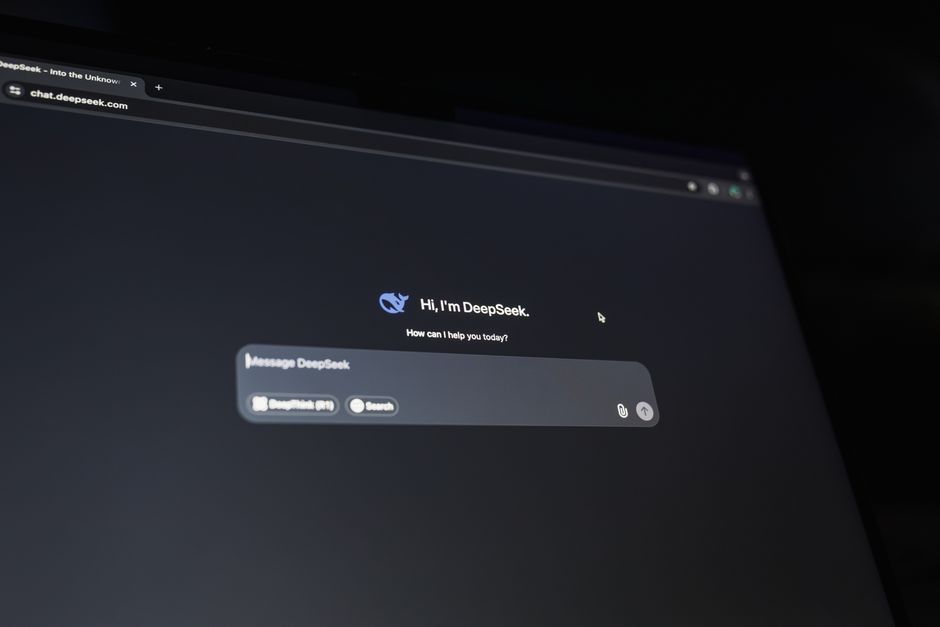
The world of website development and design is constantly evolving, and lately, the biggest buzz has been around Artificial Intelligence (AI). You’ve probably heard of ChatGPT and Gemini, and you might be wondering how these powerful tools can actually help you with your website. Forget the hype about AI taking over; let’s dive into the practical, everyday ways these AI assistants can make your next website project smoother, smarter, and more successful. Whether you’re a small business owner looking to build your first online presence or a seasoned marketer aiming to optimize your current site, understanding how to leverage AI is no longer optional – it’s a crucial skill.
Unlocking Your Website’s Potential with AI: A Practical Guide
When we talk about AI in website development and design, we’re not talking about robots coding your entire site from scratch (at least not yet!). Instead, we’re focusing on AI as an intelligent assistant, a powerful co-pilot that can augment human creativity and efficiency. Think of it as having a super-powered intern who can research, brainstorm, write, and even analyze data at lightning speed.
1. Supercharging Content Creation and SEO Strategy
Content is king, and AI is proving to be an excellent kingmaker. For SEO, compelling and relevant content is paramount. AI tools like ChatGPT and Gemini can:
- Brainstorm Topic Ideas: Stuck for blog post ideas? Ask your AI assistant to generate a list of trending topics related to your niche, incorporating keywords you’re targeting. For example, “Generate 10 blog post ideas for a sustainable fashion brand, focusing on keywords like ‘eco-friendly clothing’ and ‘ethical fashion’.”
- Draft Engaging Copy: From website headlines and product descriptions to full blog posts, AI can generate drafts that are informative, persuasive, and optimized for search engines. You can even specify the tone and target audience. For instance, “Write a product description for a handcrafted leather wallet, emphasizing durability and artisanal quality, aimed at men aged 25-45.”
- Keyword Research Assistance: While not a replacement for dedicated SEO tools, AI can help you uncover related keywords and long-tail phrases that users are searching for. You can ask it to “Suggest LSI keywords for an article about vegan skincare” or “What are common search queries for beginners learning to code?”
- Outline and Structure Articles: Before you start writing, AI can help you structure your content logically. Ask it to “Create an outline for a comprehensive guide to website security” or “Structure a blog post comparing different project management software.”
- Improve Readability and Grammar: AI tools are excellent at identifying grammatical errors, awkward phrasing, and suggesting ways to make your content more accessible and engaging for your target audience.
2. Streamlining Website Design and User Experience (UX)
Design is more than just aesthetics; it’s about creating a seamless and intuitive user experience. AI can assist in several design-related aspects:
- Generating Design Concepts: While AI won’t replace the creative vision of a human designer, it can provide inspiration. You can describe your desired aesthetic and ask for “mood board ideas for a minimalist e-commerce website” or “color palette suggestions for a playful children’s toy brand.”
- Wireframing and Layout Ideas: AI can help visualize page layouts. You can prompt it with “Suggest a homepage layout for a local bakery that highlights daily specials and online ordering” or “Propose a user flow for a booking system on a spa website.”
- A/B Testing Copy Variations: For landing pages and calls to action, AI can generate multiple variations of headlines and button text, which can then be used in A/B testing to see which performs best.
- Personalizing User Journeys: More advanced AI can analyze user behavior and dynamically adjust website content or recommendations, creating a more personalized experience. This is a growing area, and while complex, the foundational elements are becoming more accessible.
3. Enhancing Marketing Efforts: PPC and Google News Integration
Once your website is live, you’ll want to drive traffic. AI can significantly boost your marketing campaigns:
- Pay-Per-Click (PPC) Ad Copy Generation: Crafting effective ad copy for platforms like Google Ads is crucial. AI can help you write compelling ad headlines and descriptions that align with your keywords and target audience. You can ask it to “Write three Google Ads headlines for a service offering custom web development for startups” or “Generate persuasive ad copy for a limited-time discount on online courses.”
- Ad Group Structuring: AI can assist in organizing your keywords into relevant ad groups, which is fundamental for a well-performing PPC campaign.
- Analyzing Campaign Performance (with human oversight): While AI can’t fully replace a marketing analyst, it can help process and identify patterns in campaign data, flagging areas for improvement.
- Content for Google News: For businesses aiming to be featured on Google News, AI can help craft press releases and news articles that are newsworthy and adhere to journalistic standards. You can prompt it to “Draft a press release announcing the launch of our new AI-powered customer service chatbot” or “Write a short news article about our company’s commitment to sustainability.”
Practical Tips for Using AI in Your Website Project
To get the most out of AI assistants, remember these practical tips:
- Be Specific with Your Prompts: The more detailed and clear your instructions, the better the AI’s output will be. Provide context, specify your goals, and define your target audience.
- AI is a Tool, Not a Replacement: Always review, edit, and fact-check AI-generated content. Your human touch, creativity, and understanding of your brand are irreplaceable.
- Iterate and Refine: Don’t expect perfection on the first try. Use AI to generate multiple options and then refine them to suit your needs.
- Understand AI Limitations: AI can’t understand nuanced human emotions or complex ethical dilemmas. It’s best for tasks that require data processing, pattern recognition, and creative generation within defined parameters.
- Experiment with Different Tools: While ChatGPT and Gemini are leading the pack, explore other AI tools designed for specific tasks like image generation, video editing, or code completion.
- Focus on User Intent: Always ask yourself, “What is the user trying to achieve when they land on this page?” AI can help you align your content and design with that intent.
Frequently Asked Questions (FAQ)
Q1: Can AI write my entire website code?
While AI can assist with code generation and debugging, it’s unlikely to write an entire complex website from scratch without significant human guidance and integration. It’s more of a coding assistant than a fully autonomous developer.
Q2: Will using AI for content hurt my SEO?
No, not if used correctly. AI can help you create more relevant, engaging, and keyword-optimized content. However, relying solely on AI without editing or fact-checking can lead to generic or inaccurate content, which *can* negatively impact SEO.
Q3: How can I make sure my AI-generated content sounds human?
Always edit AI-generated content. Inject your brand’s voice, add personal anecdotes or opinions, and ensure the tone aligns with your overall communication style. Read it aloud to catch any unnatural phrasing.
Q4: What’s the difference between Gemini and ChatGPT for website development?
Both are powerful large language models capable of similar tasks. Gemini, developed by Google, often has an advantage in accessing and processing real-time information from the web, which can be beneficial for up-to-date content and research. ChatGPT, from OpenAI, is also highly versatile. The best choice often depends on the specific task and your personal preference.
Q5: How can AI help me understand my website visitors better?
AI can analyze website analytics data to identify user behavior patterns, popular content, and points of friction in the user journey. While dedicated analytics tools are essential, AI can help interpret this data and suggest actionable insights.
Conclusion
The integration of AI into website development and design is not a future concept; it’s happening now. By understanding and strategically employing tools like Gemini and ChatGPT, you can significantly enhance your content creation, streamline your design process, and optimize your marketing efforts. Embrace AI as your intelligent assistant, a partner that amplifies your own skills and helps you build more effective, engaging, and successful websites. The key is to use AI as a catalyst for human creativity and strategic thinking, rather than a replacement for it.