
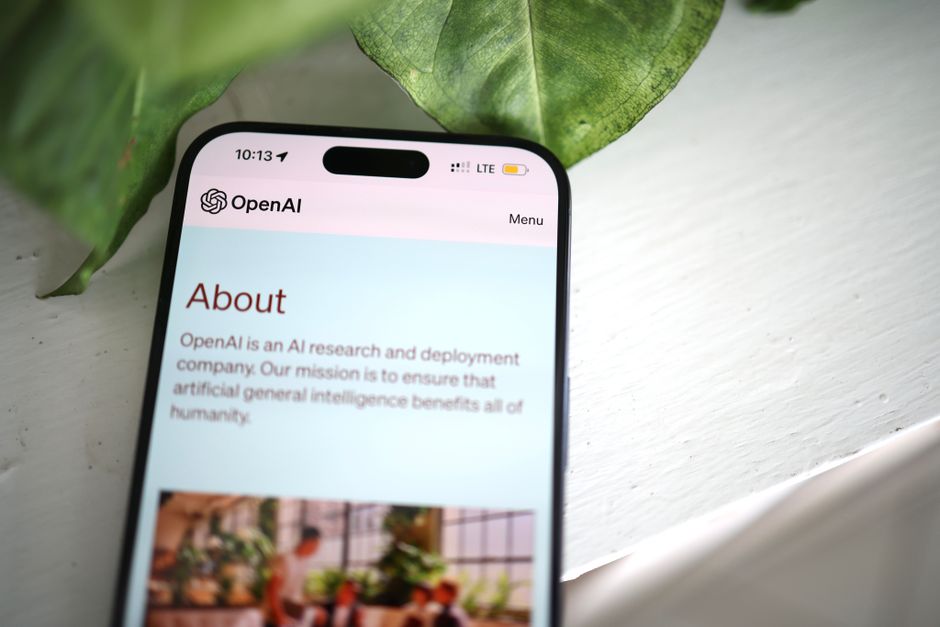
You’re thinking about a new website, or maybe a refresh of your current one. Great! In today’s digital landscape, your website is your storefront, your salesperson, and your brand ambassador all rolled into one. But the conversation around website development and design has become a bit… noisy. Everyone’s talking about AI, like Gemini and ChatGPT, and how they’re going to revolutionize everything. While AI is undoubtedly a powerful tool, focusing solely on the latest tech can sometimes distract from the core goal: building a website that actually achieves your business objectives, whether that’s generating leads, making sales, or establishing your brand authority.
This article isn’t about rehashing the same old SEO tips or dwelling on whether Gemini can write your entire website copy (it can’t, not effectively for conversion). Instead, we’ll cut through the noise and focus on practical, user-centric strategies to build websites that convert, leveraging current trends and understanding what your potential customers are *really* looking for. We’ll also touch on how AI tools can *support* these efforts, rather than replace them.
Understanding Your User: The Unsung Hero of Website Success
Before we even think about design palettes or keyword density, we need to talk about the most crucial element: your audience. Who are they? What are their problems? What solutions are they seeking? And how can your website be the best answer?
Defining Your Ideal Customer Profile (ICP)
This is more than just demographics. Your ICP dives deep into psychographics, pain points, and motivations.
- Demographics: Age, location, income, education.
- Psychographics: Values, interests, lifestyle, personality traits.
- Pain Points: What challenges are they facing that your product or service can solve?
- Goals & Aspirations: What are they trying to achieve?
- Information Consumption Habits: Where do they spend their time online? What kind of content do they prefer?
Mapping the User Journey
Once you understand your ICP, you can map out their journey from initial awareness to becoming a loyal customer.
- Awareness: How do they first learn about their problem or potential solutions? (Think Google searches, social media, word-of-mouth).
- Consideration: When they’re actively researching solutions, what information do they need?
- Decision: What factors influence their final choice?
- Post-Purchase: How can you continue to engage and delight them?
Understanding this journey will inform every decision you make about your website’s structure, content, and calls to action.
Designing for Delight and Conversion
Website design is about more than just looking pretty. It’s about creating an intuitive, engaging, and trustworthy experience that guides users towards your desired outcomes.
User Experience (UX) First, Always
A beautiful website that’s difficult to navigate is a failed website. Prioritize ease of use and a seamless flow.
- Intuitive Navigation: Make it easy for users to find what they’re looking for. Clear menus, logical site structure, and a prominent search bar are essential.
- Mobile-First Responsiveness: With a significant portion of web traffic coming from mobile devices, your website *must* look and function flawlessly on all screen sizes.
- Fast Loading Speeds: Users are impatient. Slow-loading pages lead to high bounce rates. Optimize images, leverage browser caching, and choose a reliable hosting provider.
- Accessibility: Design for everyone. Ensure your website is usable by people with disabilities, which also benefits all users.
Conversion Rate Optimization (CRO) Principles
Every element on your website should ideally contribute to a conversion.
- Clear Calls to Action (CTAs): What do you want users to do? Make your CTAs prominent, compelling, and easy to understand (e.g., “Download Your Free Guide,” “Request a Demo,” “Shop Now”).
- Compelling Copywriting: Your website copy needs to speak directly to your ICP’s needs and desires, highlighting benefits rather than just features.
- Trust Signals: Build credibility with testimonials, case studies, security badges, and clear contact information.
- Simplified Forms: If you require users to fill out forms, keep them as short and straightforward as possible.
Leveraging AI Tools: Your Smart Assistant, Not Your Replacement
Now, let’s talk about AI. Tools like Gemini and ChatGPT can be incredibly valuable assets in the website development and design process, but they are best used as assistants to your own expertise and understanding of your business.
Content Creation Support
AI can help brainstorm ideas, draft initial content, and even refine existing copy.
- Blog Post Outlines and Ideas: Use AI to generate a list of potential blog topics relevant to your niche and ICP.
- Drafting Product Descriptions: AI can quickly generate multiple variations of product descriptions, which you can then edit and tailor.
- Summarizing Long Content: Need to create an executive summary or social media snippets? AI can help.
- Grammar and Style Checks: Beyond basic spellcheck, AI tools can offer suggestions for improving clarity and tone.
Crucial Caveat: Never publish AI-generated content verbatim without thorough review. AI can lack nuance, emotional intelligence, and a deep understanding of your unique brand voice and specific business context. Always fact-check, edit for accuracy, and inject your own personality.
SEO Enhancements with AI
AI can assist in optimizing your content for search engines.
- Keyword Research Assistance: AI tools can help identify relevant keywords and long-tail phrases your audience is searching for.
- Content Optimization Suggestions: Some AI tools can analyze your content and suggest improvements for keyword usage and readability.
- Meta Description and Title Tag Generation: AI can draft compelling meta descriptions and title tags, which you can then refine.
Design Inspiration and Prototyping
While AI won’t replace a skilled web designer, it can be a source of inspiration and a tool for rapid prototyping.
- Mood Board Generation: AI image generators can help create visual mood boards for design concepts.
- Wireframe Sketching: Some AI tools are emerging that can help generate basic wireframes based on prompts.
Integrating with Your Marketing Strategy: Beyond the Website Itself
A website doesn’t exist in a vacuum. It’s a critical part of your broader marketing ecosystem. Thinking about how your website interacts with other channels is key to maximizing its impact.
SEO: The Foundation of Organic Discovery
While AI can assist, fundamental SEO principles remain vital.
- On-Page Optimization: Ensure your content is relevant, well-structured, and uses target keywords naturally.
- Technical SEO: Site speed, mobile-friendliness, sitemaps, and structured data are crucial for search engine crawlability and indexing.
- Off-Page SEO: Building high-quality backlinks from reputable sources is still a significant ranking factor.
Pay-Per-Click (PPC) Advertising: Targeted Reach
PPC campaigns can drive immediate, targeted traffic to your website.
- Landing Page Optimization: Ensure your PPC ad clicks lead to highly relevant landing pages that are designed to convert.
- Ad Copy and Keyword Alignment: Your ad copy should directly match the user’s search intent and lead them to a page that fulfills that intent.
- Tracking and Analytics: Monitor your PPC campaigns closely to optimize ad spend and improve conversion rates.
Google News and Content Distribution
For businesses that produce timely, newsworthy content, getting featured on Google News can be a significant traffic driver and credibility booster.
- Originality and Timeliness: Google News prioritizes original reporting and timely updates.
- Adherence to Guidelines: Understand and follow Google News Publisher Center guidelines for content and technical setup.
- Building Authority: Consistent, high-quality content that gets picked up by Google News can significantly enhance your brand’s perceived authority.
Frequently Asked Questions (FAQ)
Can AI write my entire website content?
While AI can generate a lot of text, it’s not recommended to use it for your entire website content without significant human oversight. AI lacks the nuanced understanding of your brand, audience, and specific business goals needed for truly effective conversion-driven copy. Think of it as a powerful writing assistant, not a replacement for a copywriter or content strategist.
How often should I update my website?
The frequency of updates depends on your industry and business. For dynamic businesses, weekly or monthly content updates are ideal. Even for more static sites, regular technical checks, security updates, and content refreshes (e.g., updating testimonials, case studies, or product information) are crucial at least quarterly. Google also favors fresh, relevant content.
What’s the difference between website design and website development?
Website design focuses on the visual aesthetics, user experience (UX), and overall look and feel of a website. Website development is the technical process of building the website, turning the design into a functional reality using coding languages and platforms.
How can AI help with my SEO strategy?
AI tools can assist with keyword research, content optimization suggestions, drafting meta descriptions and title tags, and even analyzing competitor SEO strategies. However, they are best used to augment human expertise in SEO, not replace it. Understanding search intent and user behavior is still paramount.
Conclusion: Building for Impact, Not Just for Show
In the rapidly evolving digital world, it’s easy to get swept up in the latest technological trends. While AI tools like Gemini and ChatGPT offer exciting possibilities, the core principles of effective website development and design remain constant: understanding your user, prioritizing their experience, and creating a clear path to conversion. By focusing on these fundamentals and strategically integrating AI as a supportive tool, you can build a website that not only looks great but also drives tangible results for your business.
