
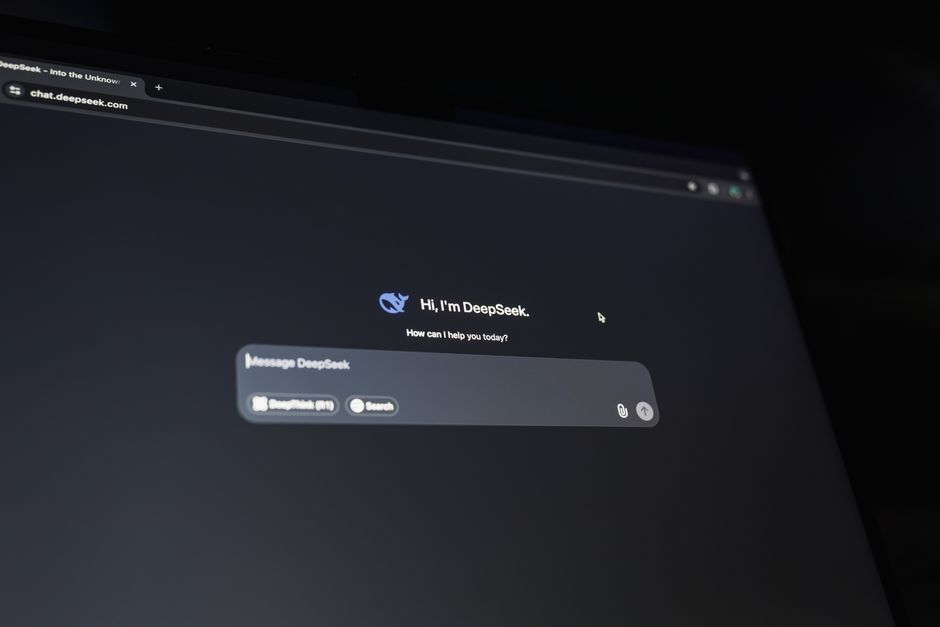
We’ve all seen the headlines. AI is here, AI is taking over, AI can write your entire website! While the hype surrounding AI tools like Gemini and ChatGPT is undeniable, the reality for website developers and designers is far more nuanced and, frankly, more exciting. It’s not about replacing human creativity; it’s about augmenting it. Forget the idea of simply asking an AI to “design me a website.” Instead, let’s explore how these powerful tools are becoming indispensable partners in the modern website development and design process, focusing on practical applications that boost efficiency, spark innovation, and ultimately, lead to better SEO and more effective Pay-Per-Click campaigns.
AI as Your Super-Powered Junior Developer and Content Strategist
Think of AI assistants not as autonomous creators, but as highly skilled, incredibly fast junior team members. They can handle a vast array of tasks that, while crucial, can be time-consuming and repetitive. This frees up your valuable human brainpower for the strategic thinking, creative problem-solving, and client-facing interactions that truly drive success.
Accelerating Code Generation and Debugging
For website developers, AI’s ability to generate code snippets is a game-changer. Need a specific JavaScript function for image carousels? Ask your AI. Stuck on a tricky CSS layout? The AI can often suggest solutions or even provide the entire block of code. This isn’t about letting the AI write your entire application, but about rapidly prototyping, experimenting with different approaches, and quickly overcoming common coding hurdles.
- Practical Tip: Use AI to generate boilerplate code for common components (e.g., navigation bars, forms, footer layouts). This saves significant time and ensures consistency.
- Practical Tip: When encountering bugs, describe the error message and the relevant code to your AI. It can often pinpoint the issue and suggest fixes faster than traditional debugging methods.
- Practical Tip: Experiment with AI-generated code for new features. Even if you don’t use it verbatim, it can provide valuable insights into different implementation strategies.
Supercharging Content Creation and Optimization
For website designers and those focused on SEO, AI’s content capabilities are revolutionary. Generating compelling meta descriptions, crafting engaging blog post outlines, and even drafting initial website copy are tasks that AI excels at. This allows you to focus on the higher-level content strategy, ensuring the messaging aligns with your client’s brand and target audience.
- Practical Tip: Use AI to brainstorm blog post ideas relevant to your niche. Provide keywords and target audience information for tailored suggestions.
- Practical Tip: Generate multiple variations of meta descriptions and title tags. Test which ones perform best through your SEO monitoring tools.
- Practical Tip: Ask AI to rephrase existing content for better readability or to incorporate specific SEO keywords naturally.
AI for Smarter Design and User Experience
While AI can’t replicate a human designer’s intuition for aesthetics and emotional connection, it can significantly aid in the design process. From generating mood boards to suggesting color palettes and even creating wireframe concepts, AI can be a powerful brainstorming partner.
Inspiration and Ideation
Staring at a blank canvas can be daunting. AI can help break through creative blocks by providing a wealth of visual inspiration and conceptual frameworks.
- Practical Tip: Describe your desired website aesthetic (e.g., “minimalist, modern, tech-focused with a hint of warmth”) to an AI image generator. Use the resulting visuals as inspiration for mood boards and style guides.
- Practical Tip: Ask AI to suggest user flows for specific website functionalities. This can help identify potential usability issues early on.
- Practical Tip: Input competitor website URLs and ask AI to analyze their design elements and user experience. This can reveal industry trends and opportunities for differentiation.
Accessibility and User Testing Insights
Ensuring your website is accessible to all users is paramount, and AI can assist in this critical area. Furthermore, AI can analyze user feedback and provide insights that might be missed by manual review.
- Practical Tip: Use AI tools to check your website’s color contrast ratios and suggest alternative color palettes that meet accessibility standards.
- Practical Tip: Ask AI to review your website copy for complex language and suggest simpler alternatives to improve readability for a wider audience.
- Practical Tip: If you’re using AI to analyze user feedback from surveys or heatmaps, ask it to identify recurring pain points or common user journeys.
Integrating AI into SEO and Pay-Per-Click Strategies
The impact of AI extends directly to how we approach SEO and PPC campaigns. AI can analyze vast datasets to identify trends, optimize ad copy, and even predict keyword performance.
Data-Driven SEO Optimization
AI’s analytical power can unlock deeper insights into your website’s SEO performance. It can help you understand what’s working, what’s not, and where to focus your efforts.
- Practical Tip: Use AI to analyze your website’s content for keyword density and relevance. It can identify under-optimized pages and suggest relevant keywords to incorporate.
- Practical Tip: Ask AI to generate a list of semantically related keywords for your core topics. This can expand your SEO reach beyond direct keyword matches.
- Practical Tip: If you’re looking for inspiration for Google News optimization, ask AI to identify trending topics within your niche that you can create timely content around.
Smarter PPC Campaign Management
For Pay-Per-Click advertising, AI can be the secret weapon for maximizing ROI. From ad copy creation to audience segmentation, AI streamlines the optimization process.
- Practical Tip: Use AI to generate multiple ad copy variations for your PPC campaigns. Test these variations to see which ones yield the highest click-through rates.
- Practical Tip: Ask AI to suggest negative keywords for your campaigns based on common irrelevant search queries. This can significantly reduce wasted ad spend.
- Practical Tip: If you’re struggling to define your target audience for PPC, describe your ideal customer to an AI and ask for detailed demographic and psychographic insights.
Frequently Asked Questions About AI in Website Development
Q1: Will AI replace website developers and designers entirely?
No. AI is a tool that augments human capabilities. Strategic thinking, creativity, client communication, and understanding nuanced user needs are still uniquely human strengths. AI will automate repetitive tasks and enhance efficiency, allowing humans to focus on more complex and creative aspects of the job.
Q2: How can I start integrating AI into my workflow?
Start small! Experiment with free AI tools for specific tasks like brainstorming blog topics, generating code snippets, or drafting meta descriptions. As you become more comfortable, you can explore more advanced AI-powered platforms and integrate them into your daily routines.
Q3: Is AI-generated content good enough for SEO?
AI-generated content can be a great starting point, but it’s crucial to review, edit, and humanize it. Focus on ensuring accuracy, originality, and a natural flow. AI can help with initial drafts and keyword integration, but human oversight is essential for high-quality, SEO-friendly content.
Q4: How can AI help with website performance optimization?
AI can analyze website data to identify bottlenecks, suggest code optimizations, and even predict the impact of certain changes on loading speed. Tools can also help identify and fix broken links or accessibility issues, contributing to better performance and user experience.
The Future is Collaborative: Humans and AI Working Together
The narrative around AI in website development and design is shifting from fear to empowerment. By embracing AI as a collaborative partner, developers and designers can unlock new levels of efficiency, creativity, and effectiveness. The key is to understand its strengths, leverage its capabilities for specific tasks, and always maintain human oversight and strategic direction. As AI continues to evolve, the most successful professionals will be those who master the art of working alongside these intelligent tools, pushing the boundaries of what’s possible in the digital landscape and delivering exceptional results for their clients.