The digital world moves fast. What was cutting-edge yesterday can feel outdated tomorrow. For businesses and individuals alike, simply having a website isn’t enough anymore. To truly thrive, your online presence needs to be smart, dynamic, and constantly optimized for visibility and engagement. This is where the power of an AI-augmented website comes into play, transforming how we approach website development and website design.
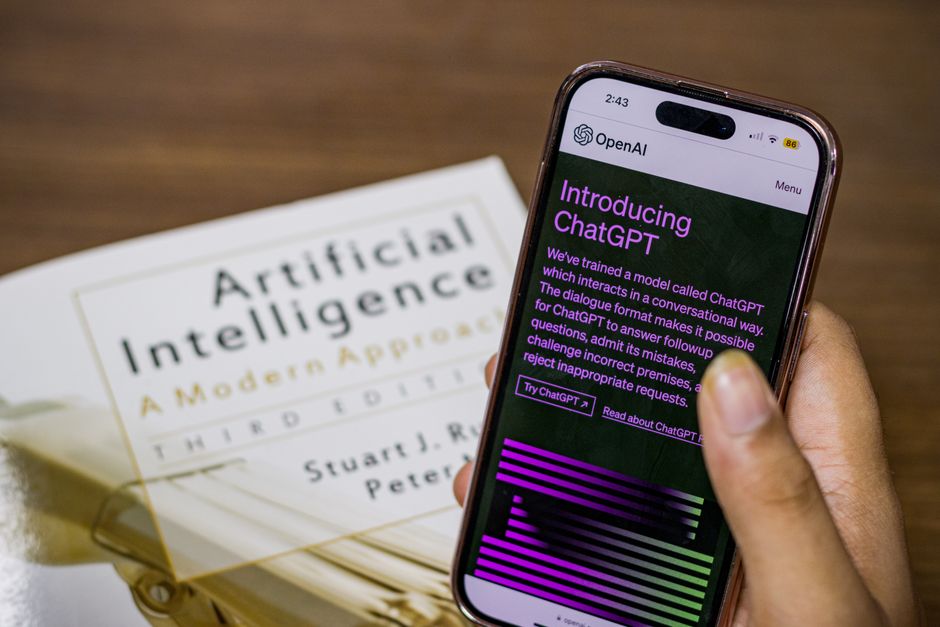
Forget the idea of AI as just a chatbot on your site. We’re talking about weaving intelligence into the very fabric of your digital strategy, from initial content creation to ongoing search engine optimization (SEO), crafting compelling pay per click (PPC) campaigns, and even strategically positioning your content for platforms like Google News. Tools like Gemini and ChatGPT aren’t just for generating text; they are becoming indispensable partners in building a future-ready online presence.
In this article, we’ll explore how you can leverage these powerful AI models to go “beyond the build,” creating a website that isn’t just a static brochure but an intelligent engine for growth. We’ll dive into practical tips for integrating AI at every stage, ensuring your website works smarter, not just harder, to reach your audience.
The AI-Augmented Website: A New Paradigm
An AI-augmented website isn’t necessarily built *by* AI entirely (though AI can certainly assist in its creation). Instead, it’s a website where artificial intelligence is strategically integrated to enhance its functionality, content, discoverability, and overall performance. Think of AI as your co-pilot, providing insights, generating ideas, and automating tasks that would traditionally be time-consuming or require extensive human resources.
This paradigm shift offers immense advantages, particularly for small to medium-sized businesses and content creators who want to compete effectively without massive budgets. By intelligently applying AI, you can:
- Accelerate content creation and ideation.
- Refine your SEO strategy with data-driven insights.
- Craft more effective marketing copy for pay per click ads.
- Identify opportunities to get your message seen on platforms like Google News.
- Improve user experience through personalized content suggestions (though this is a more advanced application).
Let’s look at how Gemini and ChatGPT can be integrated into the core aspects of your website’s lifecycle.
Practical Tips: Integrating AI for Maximum Impact
Phase 1: AI in Website Design & Development
Even before your site goes live, AI can be a powerful assistant in shaping its foundation.
-
Content Generation & Refinement
One of the most immediate benefits of ChatGPT and Gemini is their ability to generate high-quality text. This is a game-changer for website development and initial content population.
- Drafting Core Pages: Use AI to generate initial drafts for your “About Us,” “Services,” or “Product Descriptions” pages. Provide clear prompts about your brand, target audience, and key messages.
- Brainstorming Blog Topics: Ask AI to suggest blog post ideas relevant to your niche, considering current trends and potential keyword opportunities.
- Crafting Compelling Headlines: Get multiple headline options for pages and articles that are engaging and SEO-friendly.
- Call-to-Action (CTA) Optimization: Experiment with different CTAs generated by AI to see which ones resonate best with your audience.
Human Touch: Remember, AI is a co-pilot. Always review, fact-check, and infuse AI-generated content with your unique brand voice and expertise. This ensures authenticity and avoids generic-sounding text.
-
Design Inspiration & User Experience (UX)
While AI won’t replace a human designer, it can certainly act as a powerful sounding board and idea generator for your website design.
- Exploring Layouts: Describe your website’s purpose and target audience, then ask AI for suggestions on effective layout structures or navigation patterns.
- Color Palette Ideas: Prompt AI to suggest color schemes based on emotional impact, industry standards, or brand personality.
- Accessibility Checks: Ask AI to highlight potential accessibility issues in a proposed design or suggest ways to make your site more inclusive.
- User Flow Analysis: Describe a user journey (e.g., from homepage to purchase) and ask AI for potential friction points or optimization suggestions.
-
Code Assistance (for Developers)
For those involved in the technical aspects of website development, AI can be a valuable coding assistant.
- Generating Code Snippets: Ask AI to generate small functions, CSS styles, or JavaScript snippets.
- Debugging: Paste problematic code and ask AI to identify potential errors or suggest fixes.
- Explaining Complex Concepts: Get plain-language explanations of complex coding principles or frameworks.
Phase 2: Supercharging Your SEO with AI
SEO is a continuous process, and AI tools can dramatically enhance your efforts to rank higher and attract more organic traffic.
-
Advanced Keyword Research & Content Strategy
Beyond basic keyword tools, Gemini and ChatGPT can help you dig deeper into user intent.
- Long-Tail Keyword Discovery: Provide a broad topic and ask AI for a list of specific, long-tail keyword phrases that users might search for.
- Content Cluster Ideas: Input a core topic and ask AI to suggest related sub-topics and content pillars to build out a comprehensive content strategy.
- Competitor Content Analysis: Describe a competitor’s top-ranking content and ask AI to identify gaps or unique angles you could cover.
- Question-Based Keywords: Ask AI to generate a list of common questions people ask about your niche, which are excellent for FAQ sections and blog posts.
-
On-Page SEO Optimization
Once you have your content, AI can help you fine-tune it for search engines.
- Meta Description & Title Tag Generation: Provide your content, and ask AI to craft compelling, keyword-rich meta descriptions and title tags within character limits.
- Content Readability & Flow: Ask AI to analyze your text for readability, suggesting improvements for clarity, conciseness, and engagement.
- Internal Linking Suggestions: Provide a list of your existing articles and a new piece of content, and ask AI for relevant internal linking opportunities.
-
Technical SEO Insights
While AI can’t directly fix technical issues, it can guide your investigations.
- Site Speed Suggestions: Describe your website’s perceived speed issues and ask AI for common causes and potential solutions (e.g., image optimization, caching).
- Crawlability & Indexability: Prompt AI to explain common reasons why pages might not be indexed and suggest areas to check.
Phase 3: Driving Traffic with AI-Powered PPC & Google News
Getting traffic to your site is crucial, and AI can significantly boost your effectiveness in paid advertising and news aggregation.
-
PPC Ad Copy Generation
Crafting compelling ad copy that converts is an art. AI makes it easier to test and iterate for your pay per click campaigns.
- Multiple Ad Variations: Provide your product/service, target audience, and unique selling proposition, then ask AI to generate 5-10 different ad headlines and descriptions for Google Ads or social media.
- Audience-Specific Copy: Ask AI to tailor ad copy for different audience segments (e.g., “new customers” vs. “returning customers,” or different demographics).
- A/B Testing Ideas: Get suggestions for elements to A/B test in your ad copy, such as different emotional appeals or calls to action.
- Keyword Matching: Ensure your ad copy closely aligns with the keywords you’re bidding on for maximum relevance.
-
Google News Strategy & Content Creation
Getting featured in Google News can drive massive traffic and establish authority. AI can help you understand and target this platform.
- Trending Topic Analysis: Ask AI to identify trending news topics related to your industry that you could create timely content around.
- News Article Structure: Get advice on how to structure news-style articles to be more appealing to news aggregators, focusing on clarity, conciseness, and strong headlines.
- Headline Optimization for News: Generate headlines that are not only informative but also attention-grabbing and suitable for a news feed context.