
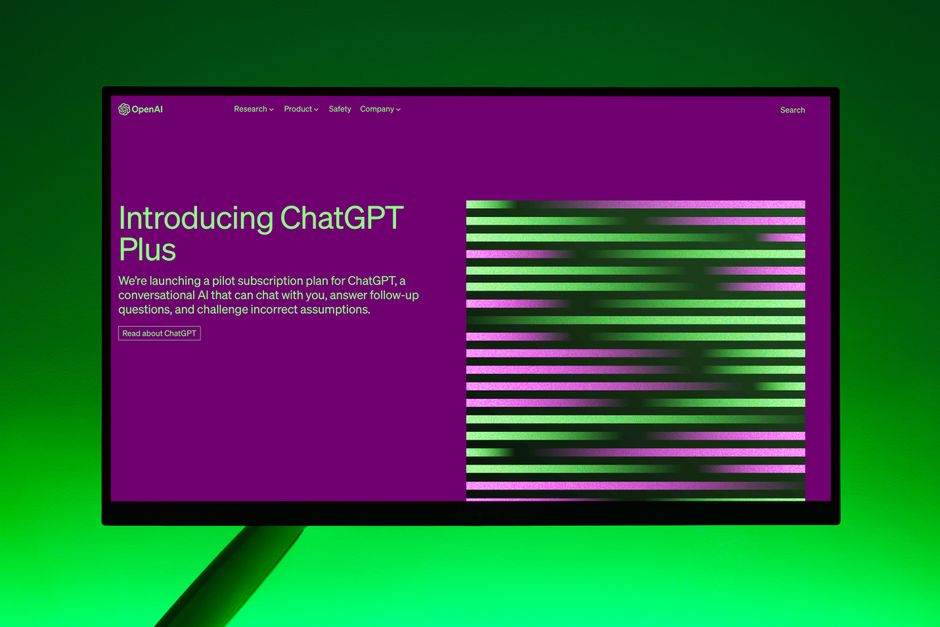
The AI revolution isn’t just a futuristic concept anymore; it’s here, and it’s profoundly impacting how we build, design, and market our websites. You’ve likely heard the names: Gemini and ChatGPT. These powerful language models are more than just chatbots; they’re becoming indispensable tools for anyone involved in website development, design, and crucially, SEO. Forget rehashing the same old “how to rank higher” articles. Today, we’re diving into the practical, immediate ways Gemini and ChatGPT are reshaping your website’s future, and how you can leverage them to stay ahead of the curve.
The AI-Powered Website Renaissance: What’s New?
For years, website development and design followed relatively predictable patterns. Now, AI is injecting a new level of dynamism. Think of it as a super-powered assistant that can brainstorm, code, write, and even strategize. This isn’t about replacing human creativity, but about augmenting it, making processes faster, more efficient, and often, more insightful.
Content Creation & Optimization on Steroids
This is perhaps the most immediate and tangible impact. Both Gemini and ChatGPT excel at generating human-like text. For website owners and developers, this translates to:
- Rapid Blog Post Generation: Stuck for ideas or time? Prompt these AIs with a topic, target keywords, and desired tone, and you can get a solid first draft in minutes. This frees you up to focus on refining, adding unique insights, and ensuring factual accuracy.
- SEO-Optimized Descriptions: Need compelling meta descriptions and title tags that scream “click me” to search engines and users? AI can craft these, incorporating your target keywords naturally.
- Product Descriptions That Convert: For e-commerce sites, AI can generate persuasive and informative product descriptions, highlighting benefits and features in a way that resonates with potential buyers.
- Repurposing Content: Turn a long-form blog post into social media snippets, email newsletters, or even video scripts. AI can quickly adapt content for different platforms.
The key here is to treat AI-generated content as a starting point. Always review, edit, and inject your brand’s unique voice and expertise. Google’s algorithms are sophisticated enough to detect purely AI-generated, low-value content, so human oversight is crucial for maintaining SEO integrity.
Streamlining Website Design & User Experience (UX)
While AI won’t replace the nuanced eye of a skilled web designer, it can significantly assist in the design process:
- Wireframing & Layout Ideas: Describe your website’s purpose and target audience, and AI can suggest different layout structures and user flow ideas.
- Color Palette & Font Suggestions: Based on your brand identity and industry, AI can propose color schemes and font pairings that enhance visual appeal and readability.
- A/B Testing Copy Variations: Need multiple versions of a call-to-action button or headline for A/B testing? AI can generate these variations quickly, allowing you to test what resonates best with your audience.
- Accessibility Checks: AI tools are emerging that can help identify potential accessibility issues on your website, ensuring a better experience for all users.
Think of AI as your design brainstorming partner. It can offer a multitude of options, helping you overcome creative blocks and explore avenues you might not have considered.
The Gemini & ChatGPT Advantage for SEO
SEO is a constantly evolving landscape, and AI is now a significant player. Here’s how Gemini and ChatGPT are directly impacting SEO strategies:
Advanced Keyword Research & Intent Analysis
Beyond simple keyword volume, AI can help you understand the true *intent* behind search queries. This means:
- Identifying Long-Tail Keywords: AI can uncover niche, highly specific search terms that often have lower competition and higher conversion rates.
- Understanding User Questions: Prompt AI with a broad topic, and it can generate a list of questions users are likely asking, which you can then use to create comprehensive content that answers them directly.
- Competitor Analysis Insights: While not a direct competitor analysis tool, you can feed AI information about your competitors’ content and ask it to identify potential keyword gaps or content opportunities.
Enhancing Your Pay-Per-Click (PPC) Campaigns
For those running Google Ads or other PPC campaigns, AI offers significant benefits:
- Ad Copy Generation: Create multiple compelling ad variations for your campaigns, tailored to different audience segments and keywords.
- Landing Page Optimization Ideas: AI can suggest improvements to your landing page copy and structure to increase conversion rates for your PPC traffic.
- Audience Segmentation Insights: By analyzing user behavior patterns (when you feed it anonymized data or descriptions), AI can offer insights into how to better segment your target audience for more effective ad targeting.
Leveraging Google News & AI for Visibility
Google News is a powerful platform for reaching a broad audience, and AI can help you tap into it:
- Identifying Trending Topics: Use AI to monitor industry news and identify emerging trends that you can quickly create content around for potential inclusion in Google News.
- Crafting Newsworthy Content: AI can help you structure press releases or news articles in a way that is more likely to be picked up by news aggregators. Remember, for Google News, fresh, original, and newsworthy content is paramount.
- Headline Optimization for News: AI can help craft attention-grabbing yet informative headlines that are suitable for a news context.
The key here is speed and relevance. If you can quickly identify a trending topic and create high-quality, relevant content, AI can be your secret weapon for getting noticed.
Practical Tips for Integrating Gemini & ChatGPT into Your Workflow
Ready to harness the power of AI? Here’s how to get started:
1. Define Your Goals Clearly
Before you even open the AI interface, know what you want to achieve. Are you looking to speed up content creation? Improve your SEO keyword strategy? Generate ad copy? The more specific your goal, the better your prompts will be.
2. Master the Art of Prompt Engineering
AI is only as good as the instructions you give it. This is called “prompt engineering.” Experiment with different ways of asking questions. Provide context, specify the desired output format, and set constraints. For example, instead of “write about SEO,” try “Write a 500-word blog post for small business owners explaining the importance of local SEO, focusing on Google Business Profile optimization and customer reviews. Use a friendly and encouraging tone.”
3. Use AI as a Co-Pilot, Not an Autopilot
Never blindly copy-paste AI-generated content. Always review, edit, fact-check, and add your unique human touch. Your expertise, brand voice, and critical thinking are irreplaceable. AI is there to augment your abilities, not replace them.
4. Experiment and Iterate
The best way to learn is by doing. Try using AI for different tasks. See what works best for your specific needs. Don’t be afraid to experiment with different prompts and tools.
5. Stay Updated on AI Developments
The AI landscape is evolving at lightning speed. Keep an eye on new features, tools, and best practices. Follow reputable AI news sources and thought leaders.
Frequently Asked Questions (FAQ)
Q1: Will AI replace web developers and designers?
No, AI is unlikely to completely replace human developers and designers. It will, however, change the nature of their work, automating repetitive tasks and allowing them to focus on more strategic and creative aspects. Human oversight, problem-solving, and client communication will remain essential.
Q2: Is AI-generated content good for SEO?
AI-generated content *can* be good for SEO if it is used as a starting point and then heavily edited, fact-checked, and infused with unique human insight. Google prioritizes helpful, reliable, people-first content. Purely AI-generated, low-quality content can harm your SEO.
Q3: How can I ensure my AI-generated content doesn’t sound robotic?
Provide clear instructions on tone and style in your prompts. After generation, edit for flow, vary sentence structure, and inject your brand’s personality. Reading it aloud can help catch unnatural phrasing.
Q4: Are there ethical considerations when using AI for website content?
Yes. Transparency about AI usage (where appropriate or legally required), avoiding plagiarism, and ensuring factual accuracy are crucial ethical considerations.
Q5: How can Gemini and ChatGPT help with local SEO specifically?
They can help generate local business descriptions optimized for keywords, brainstorm content ideas for local events or promotions, answer frequently asked questions relevant to local customers, and even draft responses to customer reviews.
Conclusion: Embrace the AI Advantage
The integration of AI tools like Gemini and ChatGPT into website development, design, and SEO is not a trend to be ignored; it’s a fundamental shift. By understanding their capabilities and learning how to leverage them effectively, you can streamline your processes, enhance your website’s performance, and ultimately, achieve better results. The future of your website is being written, and with AI as your co-pilot, you can ensure it’s a future that’s innovative, efficient, and highly visible.