
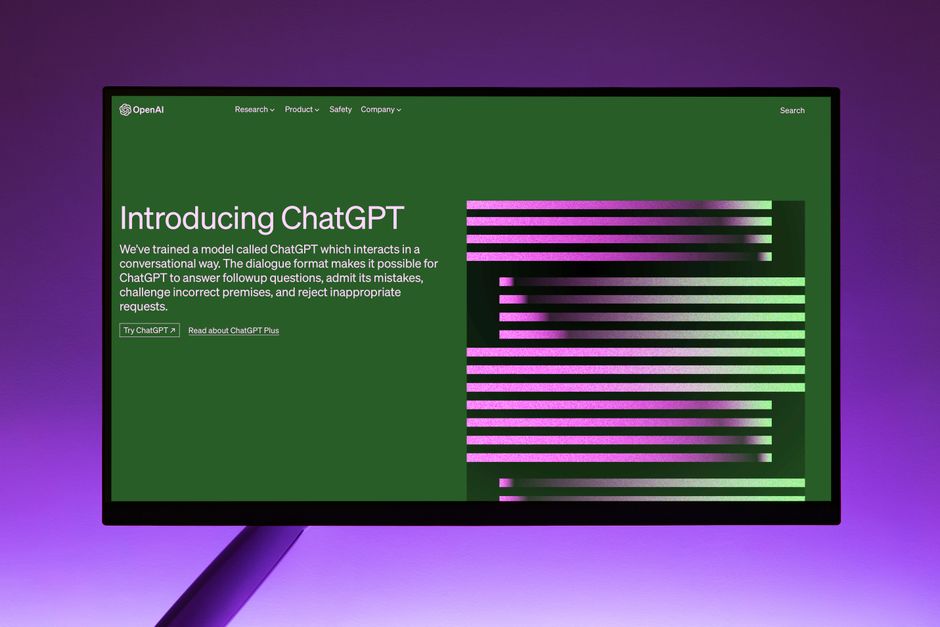
The world of website development is constantly evolving, and lately, the spotlight has been firmly fixed on AI tools like Google’s Gemini and OpenAI’s ChatGPT. While many articles focus on how these tools can write blog posts or generate marketing copy, their true impact on the day-to-day work of website developers and designers is far more nuanced and practical. It’s not just about automating tasks; it’s about augmenting our capabilities, streamlining complex processes, and ultimately, building better, more effective websites. Forget the futuristic hype; let’s talk about how Gemini and ChatGPT are *actually* helping us right now, and how you can leverage them to stay ahead.
The Shifting Sands of Website Development: Where AI Fits In
For years, website development has been a blend of technical skill, creative vision, and a deep understanding of user behavior. Tools have evolved, from basic HTML editors to sophisticated IDEs and design platforms. Now, AI is the next frontier. Instead of replacing developers, Gemini and ChatGPT are becoming powerful co-pilots. They excel at tasks that are time-consuming, repetitive, or require sifting through vast amounts of information. This frees up human developers and designers to focus on the strategic, creative, and problem-solving aspects that truly differentiate a great website.
Beyond Content Generation: Practical Applications for Developers
While content creation is the most visible application, the real game-changer for website development lies in how these AI models can assist with:
- Code Generation and Debugging: Need a quick snippet for a specific JavaScript function? Or struggling to pinpoint a bug in your CSS? AI can often provide accurate code examples or suggest potential solutions to errors, significantly speeding up development cycles.
- Prototyping and Wireframing Assistance: While not a replacement for dedicated design tools, AI can help brainstorm layout ideas, suggest user flow variations, and even generate descriptive text for wireframes, accelerating the early stages of design.
- SEO Strategy Refinement: Beyond just keyword research, AI can analyze competitor strategies, identify content gaps, and suggest optimization opportunities that might be missed by manual review. Think of it as having an always-on SEO analyst.
- Technical Documentation: Writing clear, concise documentation for code or a website’s functionality can be tedious. AI can help draft initial versions, ensuring consistency and completeness.
- Learning and Skill Development: Stuck on a new framework or library? AI can explain complex concepts in simpler terms, provide code examples, and guide you through learning new technologies, making continuous learning more accessible.
- User Experience (UX) Insights: By analyzing user feedback or even hypothetical user scenarios, AI can offer insights into potential UX improvements, helping designers anticipate user needs.
Gemini vs. ChatGPT: A Developer’s Perspective
While both Gemini and ChatGPT are powerful LLMs, they often have slightly different strengths that can be leveraged in website development. Gemini, with its multimodal capabilities, can be particularly useful when dealing with visual elements or analyzing structured data alongside text. ChatGPT, on the other hand, often excels in generating creative text formats and detailed explanations.
Leveraging Gemini for a Holistic Approach
Gemini’s ability to understand and process different types of information makes it a valuable asset for a more holistic website development process. Imagine:
- Analyzing User Behavior Data: While direct access to analytics might be limited, you could feed anonymized data summaries or descriptions of user journeys to Gemini and ask for interpretations or potential friction points.
- Generating Image Alt Text from Descriptions: If you have a detailed description of an image, Gemini can help craft descriptive and SEO-friendly alt text.
- Understanding Complex API Documentation: Gemini can often digest and explain intricate API documentation, making integration smoother.
Maximizing ChatGPT for Text-Heavy Tasks
ChatGPT remains a powerhouse for anything involving language and structured text. For developers and designers, this translates to:
- Drafting Website Copy and Calls to Action: Get initial drafts for landing pages, product descriptions, or compelling CTAs.
- Generating Meta Descriptions and Titles: Optimize your on-page SEO with AI-generated meta tags that are both informative and keyword-rich.
- Creating FAQ Content: Based on common user queries or project requirements, ChatGPT can generate comprehensive FAQ sections.
- Brainstorming Content Ideas for SEO: Explore related topics and content angles that can boost your website’s search engine visibility.
SEO and PPC: A Symbiotic Relationship with AI
The impact of AI on Search Engine Optimization (SEO) and Pay-Per-Click (PPC) advertising is undeniable. These tools aren’t just for content; they’re fundamentally changing how we approach digital marketing strategies.
AI’s Role in SEO Beyond Keywords
While keyword research has always been a cornerstone of SEO, AI takes it a step further. Gemini and ChatGPT can:
- Identify Semantic Relationships: Understand how keywords relate to each other and suggest content clusters that Google’s algorithms favor.
- Analyze User Intent: Go beyond simple keywords to understand *why* a user is searching, allowing for more targeted content creation.
- Suggest Content Structure and Siloing: Help organize your website content logically to improve crawlability and authority.
- Monitor SERP Features: Analyze how your content performs in various SERP features (like featured snippets or knowledge panels) and suggest improvements.
Transforming PPC Campaigns with AI Assistance
For PPC managers, AI offers a significant advantage in campaign optimization and efficiency:
- Ad Copy Generation and A/B Testing: Quickly generate multiple variations of ad copy to test different messaging and improve click-through rates.
- Audience Segmentation Refinement: AI can help analyze user data to identify more precise audience segments for targeted advertising.
- Bid Strategy Optimization Suggestions: While automated bidding is common, AI can provide insights into underlying patterns that inform smarter bid adjustments.
- Landing Page Optimization Recommendations: AI can analyze landing page performance and suggest improvements to align with ad messaging and drive conversions.
Integrating AI into Your Workflow: Practical Tips
Adopting these tools doesn’t require a complete overhaul of your existing processes. Here’s how to integrate them effectively:
- Start Small: Identify one or two time-consuming tasks where AI could offer immediate benefits, like drafting meta descriptions or generating code snippets.
- Use AI as a Starting Point, Not an End Product: Always review, edit, and refine AI-generated content and code. Human oversight is crucial for accuracy, brand voice, and ethical considerations.
- Experiment with Prompts: The quality of AI output heavily depends on the quality of your prompts. Be specific, provide context, and iterate to get the best results.
- Stay Updated: The AI landscape is moving rapidly. Keep an eye on new features and best practices for tools like Gemini and ChatGPT.
- Focus on Augmentation, Not Automation: Think of AI as a tool to enhance your skills and efficiency, not to replace your critical thinking and creativity.
- Understand Limitations: AI can sometimes generate inaccurate information or “hallucinate.” Always fact-check and verify critical outputs.
FAQ Section
Q1: Can AI tools like Gemini and ChatGPT replace website developers entirely?
A1: No, not entirely. While AI can automate many tasks, the creativity, problem-solving, strategic thinking, and nuanced understanding of user needs that human developers bring are irreplaceable. AI is best viewed as a powerful assistant that augments human capabilities.
Q2: How can I ensure the SEO advice from AI is accurate and up-to-date?
A2: AI models are trained on vast datasets, but search engine algorithms are constantly changing. Always cross-reference AI-generated SEO advice with current best practices, industry reports, and your own website’s performance data. Treat AI suggestions as a starting point for your research.
Q3: Is it ethical to use AI-generated content on my website?
A3: It’s generally considered ethical as long as you are transparent and ensure the content is accurate, valuable, and original in its presentation. The key is to use AI as a tool for creation and then apply human editing and fact-checking to produce high-quality, unique content. Avoid simply copying and pasting AI output without review.
Q4: How does Gemini’s multimodal capability benefit website design and development?
A4: Gemini’s ability to process and understand images, audio, and video alongside text allows for more integrated workflows. For example, it can help analyze visual design elements, interpret user feedback from various media, or generate descriptive text for multimedia content, leading to a more comprehensive understanding of project requirements.
Q5: What is the best way to get started with using AI for PPC campaigns?
A5: Start by using AI to generate ad copy variations for A/B testing. This is a straightforward application that can quickly yield insights into what messaging resonates best with your target audience. As you become more comfortable, explore AI’s capabilities in audience segmentation and bid strategy suggestions.
Conclusion
The integration of AI tools like Gemini and ChatGPT into website development, design, and digital marketing is not a distant future; it’s a present reality. By understanding their practical applications beyond basic content generation, developers and designers can unlock new levels of efficiency, creativity, and strategic insight. The key is to embrace these tools as powerful collaborators, augmenting our skills and allowing us to focus on the human-centric elements that truly make a website shine. As these technologies continue to evolve, staying curious and adaptable will be paramount in building the next generation of exceptional online experiences.