Leveraging Gemini & ChatGPT for Next-Gen Website Design, SEO & Google News Visibility
CONTENT:
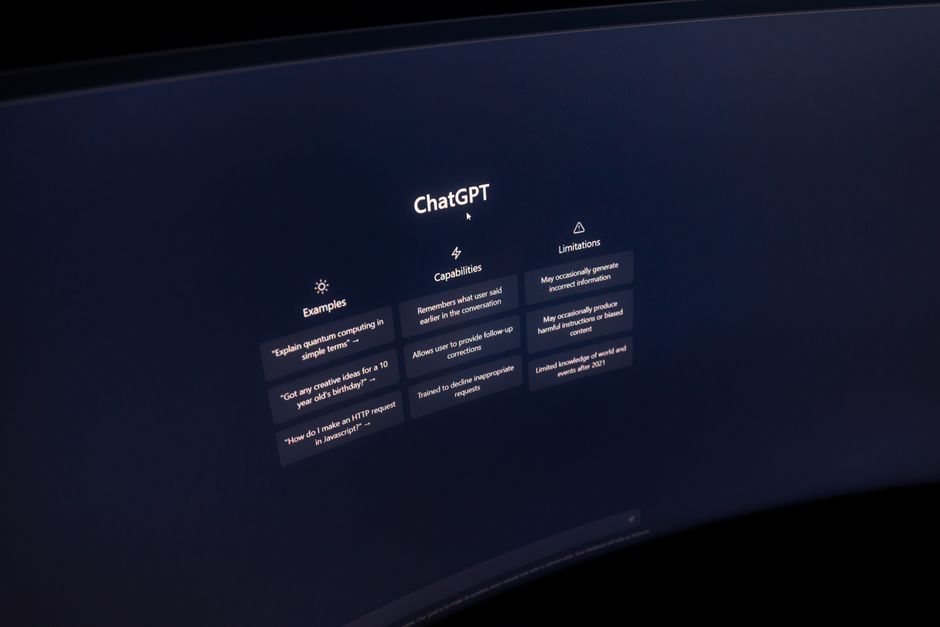
The buzz around Artificial Intelligence (AI) has been deafening, and for good reason. From automating customer service to generating creative prose, AI tools like Gemini and ChatGPT are transforming how we work and interact with information. For many website owners, the first thought is often, “How can AI write my blog posts faster?” While AI excels at content generation, focusing solely on that misses a massive opportunity.
Your website is a complex ecosystem. It requires thoughtful design, robust development, strategic search engine optimization (SEO), effective pay-per-click (PPC) campaigns, and, for some, even a presence on platforms like Google News. What if AI could be your strategic co-pilot, not just a content generator, but an intelligent assistant guiding you through the entire lifecycle of your web presence?
This article dives deep into a fresh perspective: using Gemini and ChatGPT as strategic partners to elevate your website’s design, development, SEO, PPC performance, and even unlock visibility on Google News. We’ll explore practical, actionable ways these advanced AI models can help you build, optimize, and grow a truly next-generation website.
The Evolution of AI in Web Strategy: From Writer to Co-Pilot
For a while, the conversation around AI and websites centered heavily on automating content creation. And yes, AI can draft articles, social media posts, and product descriptions with impressive speed. However, the true power of advanced AI models like Gemini and ChatGPT lies in their ability to process vast amounts of data, identify patterns, and offer strategic insights across various domains.
Think of them not just as tools that execute tasks, but as intelligent co-pilots that can analyze, suggest, and even help implement improvements across your entire web strategy. This shift empowers you to make smarter decisions, optimize more effectively, and achieve better results without needing to be an expert in every single aspect of web development, design, and digital marketing.
Practical AI Co-Pilot Strategies for Your Website
Let’s explore specific, actionable ways you can integrate Gemini and ChatGPT into your web strategy.
1. AI-Assisted Website Design & User Experience (UX)
Beyond simply picking a template, AI can help you craft a user experience that truly converts and delights visitors.
- User Flow Mapping & Optimization: Prompt Gemini or ChatGPT with your website’s goals (e.g., “increase e-commerce sales,” “generate leads for service X”) and your target audience. Ask it to suggest optimal user flows, navigation structures, and calls-to-action (CTAs) that guide users efficiently through your site.
- Personalized Content & Layout Suggestions: While full dynamic personalization requires more advanced integration, AI can suggest layout variations or content modules based on different user personas you define. Ask, “Given a visitor interested in [Product A], what layout elements and information should be prioritized on the homepage?”
- Accessibility Checks & Improvements: Describe your website’s design elements (colors, font sizes, button styles) and ask AI to identify potential accessibility issues for users with visual impairments or other disabilities, based on WCAG guidelines. It can suggest alternative color palettes or font pairings.
- Wireframing & Prototyping Ideas: Provide AI with your site’s purpose and key features. Ask it to generate descriptive text-based wireframe ideas for specific pages, including sections, content types, and CTA placements. This gives designers a strong starting point.
2. Supercharging SEO with Gemini & ChatGPT
SEO is no longer just about keywords. AI can help you dig deeper into user intent and technical optimization.
- Advanced Keyword Research & Intent Analysis: Instead of just lists, ask Gemini or ChatGPT to analyze a broad topic and identify not just keywords, but the *intent* behind them (informational, navigational, commercial, transactional). Ask for long-tail keywords that address specific user problems.
- Content Structure & Optimization: Provide AI with a target keyword and ask for an optimal article outline, including H2s, H3s, and relevant sub-topics that Google’s algorithms (and users) expect. It can also help craft compelling meta descriptions and title tags that improve click-through rates.
- Technical SEO Audits & Solutions: Describe a technical SEO problem (e.g., “my site has slow loading speed,” “I have duplicate content issues”). AI can explain the problem, suggest potential causes, and offer actionable steps to resolve them, including code snippets or configuration changes.
- Competitor Analysis & Gap Identification: Ask AI to analyze the content and SEO strategies of your top competitors (you’ll need to provide their URLs). It can highlight their strengths, identify content gaps you can fill, and suggest unique angles for your own strategy.
3. Smart Pay-Per-Click (PPC) Campaign Optimization
Maximize your ad spend by letting AI assist with campaign strategy and execution.
- Ad Copy Generation & A/B Testing Ideas: Provide AI with your product/service, target audience, and key benefits. Ask it to generate multiple variations of compelling ad copy for Google Ads or social media. It can also suggest specific A/B testing parameters (headlines, descriptions, CTAs) to optimize performance.
- Audience Targeting Insights: Describe your ideal customer, and AI can suggest demographic, psychographic, and behavioral targeting parameters for your PPC campaigns. It can help you uncover niche audiences you might have overlooked.
- Landing Page Optimization Suggestions: Give AI a description of your landing page and its goal. Ask for specific recommendations to improve conversion rates, such as optimizing headline clarity, improving form placement, strengthening CTAs, or streamlining content.
- Negative Keyword Identification: For existing campaigns, provide AI with a list of search queries that triggered your ads. Ask it to identify potential negative keywords that are irrelevant to your offerings, helping you save ad spend.
4. Cracking the Google News Code with AI
Getting your content featured on Google News can drive significant traffic and authority. AI can help streamline the process.
- Content Topic Generation for News Relevance: Ask Gemini or ChatGPT to identify trending topics within your niche that have high news value. You can prompt it with, “What are the top 3 emerging stories in [industry] that would appeal to a news audience?”
- News-Friendly Content Structuring: Google News favors clear, concise, and well-structured articles. AI can help you outline your content in a way that prioritizes key information, uses strong headlines, and follows journalistic best practices (e.g., inverted pyramid style).
- Identifying Authoritative Sources & Backlink Opportunities: While AI can’t directly build backlinks, it can help identify authoritative sources, statistics, and experts within your field that you can cite to strengthen your content. This indirectly helps with establishing E-E-A-T (Experience, Expertise, Authoritativeness, Trustworthiness), a crucial factor for news visibility.
- Optimizing for E-E-A-T (Experience, Expertise, Authoritativeness, Trustworthiness): Ask AI how to enhance your author bios, “About Us” page, and content to clearly demonstrate your and your team’s E-E-A-T. This includes suggesting relevant credentials, experience highlights, and ways to integrate original research or unique insights into your articles.
5. Streamlining Website Development Workflows
Developers can also leverage AI for increased efficiency and better code quality.
- Code Snippet Generation & Debugging: For repetitive tasks or specific functionalities, AI can generate boilerplate code snippets in various languages (HTML, CSS, JavaScript). It can also assist in debugging by explaining error messages and suggesting fixes.
- Documentation & Commenting: AI can help developers write clear, concise documentation for their code and generate