
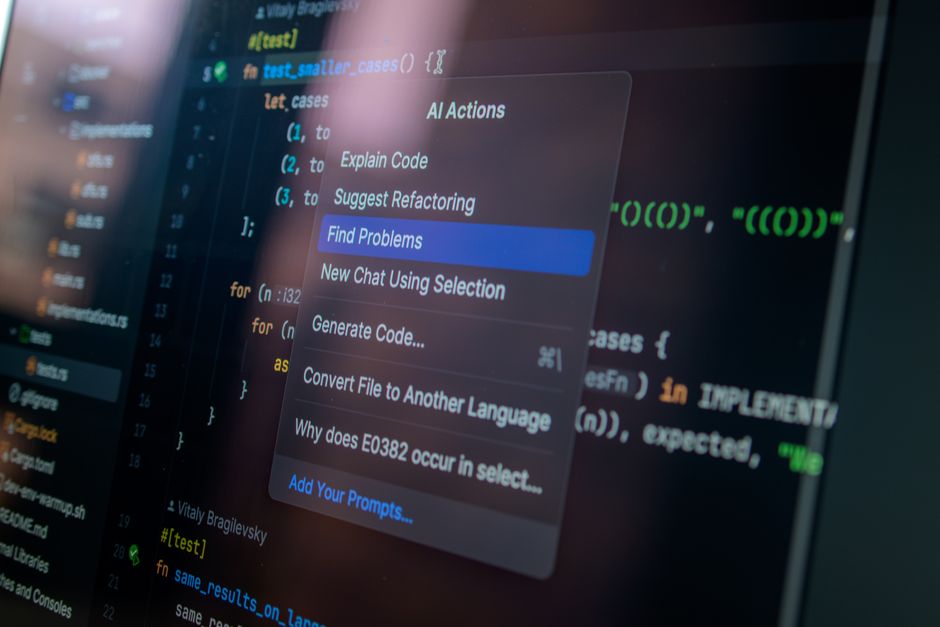
In today’s hyper-connected world, information moves at the speed of light. What’s trending now might be old news in a few hours. For businesses and content creators, this presents a significant challenge: how do you keep your website relevant, visible, and engaging when the digital landscape is constantly shifting? The answer lies in moving beyond the static website model and embracing the power of an AI-powered adaptive website.
Gone are the days when a beautiful, well-optimized website was enough. To truly capture attention, rank high in search engines, and convert visitors, your digital presence needs to be dynamic, responsive, and intelligently informed by real-time data. This article will guide you through building an adaptive website, leveraging AI tools like Gemini and ChatGPT, to supercharge your website development, enhance your SEO, optimize your pay-per-click campaigns, and even thrive amidst the rapid cycles of Google News.
The Rise of the Adaptive Website: Why Static Isn’t Enough Anymore
Think about it: most websites are built, launched, and then updated periodically. While this traditional approach has served us for years, it struggles to keep pace with the demands of modern users and search algorithms. Users expect fresh, relevant content. Search engines, especially Google, reward timeliness and authority. A static site, no matter how well-designed initially, risks becoming a digital relic, slowly losing its edge in visibility and user engagement.
An adaptive website, on the other hand, is built to evolve. It uses artificial intelligence to monitor trends, understand user behavior, generate content, optimize for search, and even fine-tune advertising strategies in real time. This isn’t just about adding a blog; it’s about creating a living, breathing digital entity that continuously learns and adapts to stay at the forefront of its niche.
AI in Action: Crafting Your Real-Time Relevant Digital Hub
Integrating AI into your website development and ongoing strategy isn’t a futuristic dream; it’s a practical necessity. Here’s how you can leverage it:
AI-Driven Content Strategy & Generation (Gemini/ChatGPT)
Content is king, but relevant content is emperor. AI tools like Gemini and ChatGPT can revolutionize your content workflow:
- Trend Identification: AI can monitor news feeds, social media, and search trends in real-time, identifying emerging topics relevant to your audience. Imagine quickly generating an article or a series of social posts reacting to a breaking story relevant to your industry, potentially even appearing in Google News.
- Content Brainstorming & Outlining: Struggling with writer’s block? ChatGPT or Gemini can help brainstorm blog post ideas, create detailed outlines, and even suggest engaging angles based on competitor analysis or audience questions.
- Drafting & Repurposing Content: While human oversight is crucial for accuracy and tone, AI can draft initial versions of articles, product descriptions, FAQs, and ad copy. It can also repurpose existing content into different formats – turning a long-form blog post into a concise social media thread or an email newsletter. This significantly speeds up content production, allowing you to react faster to market changes.
- Personalization: Beyond creation, AI can help tailor content recommendations to individual users based on their browsing history and preferences, making their experience more engaging.
Dynamic SEO for Shifting Tides
Traditional SEO is about long-term strategy, but dynamic SEO, powered by AI, adds a layer of real-time responsiveness:
- Real-Time Keyword Research: AI can identify sudden spikes in keyword demand, allowing you to create timely content that ranks for emerging search queries. This is especially vital for industries impacted by current events or fast-changing trends.
- On-Page Optimization: AI tools can analyze your content and suggest immediate improvements for on-page SEO, such as keyword density adjustments, meta description enhancements, and heading structure, ensuring your content is always optimized for the latest search algorithms.
- Schema Markup Generation: For news-driven content, proper schema markup (like
NewsArticle) is critical for appearing in Google News and gaining rich snippets. AI can assist in generating and validating this markup, ensuring your timely content gets the visibility it deserves. - Internal Linking Strategies: As new content is published, AI can suggest optimal internal linking opportunities to existing relevant pages, strengthening your site’s overall SEO architecture and helping users discover more content.
- SERP Monitoring & Competitor Analysis: AI can track your rankings and those of competitors, alerting you to changes and suggesting counter-strategies for your website design and content.
UX/UI Design for Agility & Engagement
An adaptive website needs an adaptive user experience. Your website design must support dynamic content and AI-driven personalization:
- Modular Design Systems: Implement a design system with reusable components. This allows developers to quickly assemble new pages or update existing layouts to accommodate fresh content or A/B test different designs without a complete overhaul.
- Personalized User Journeys: AI can analyze user behavior to dynamically adjust elements of your website design, such as displaying different calls-to-action, recommending specific products, or highlighting relevant articles based on individual preferences.
- Optimized Performance: Speed is paramount. An adaptive site must be built for lightning-fast loading times, especially when dealing with rapidly updated content or high traffic volumes, which is common for sites featuring breaking news or trending topics.
- Seamless Integration: Ensure your website development stack allows for easy integration with various AI APIs (like Gemini’s or OpenAI’s) and data sources, enabling real-time content updates and personalization features without disrupting the user experience.
Smart PPC Campaigns with AI Insights
Your paid advertising efforts can also benefit immensely from an adaptive approach, especially when integrated with your AI-powered content strategy:
- Dynamic Ad Copy Generation: Using ChatGPT or Gemini, you can quickly generate multiple ad variations tailored to trending keywords or specific news events. This allows you to launch highly relevant pay-per-click campaigns that resonate with current user intent.
- Real-Time Bidding & Targeting: AI-powered PPC platforms can adjust bids and refine targeting based on real-time performance data, market trends, and even the sentiment around breaking news, ensuring your budget is spent most effectively.
- Landing Page Optimization: AI can analyze ad performance and user behavior on landing pages, suggesting immediate improvements to content, calls-to-action, or even the website design to maximize conversion rates.
- Audience Insights: AI can identify new audience segments based on trending topics or emerging interests, allowing you to expand your reach with highly targeted campaigns.
Development for Scalability & Integration
The backbone of an adaptive website is robust website development. This requires a modern, flexible architecture:
- Headless CMS: Decouple your content from your presentation layer. A headless CMS allows you to manage content centrally and then deliver it to various front-ends (website, mobile app, smart devices) using APIs. This is crucial for dynamic content delivery.
- API-First Approach: Ensure your website is built with an API-first mindset, making it easy to integrate with AI tools, third-party data sources, and other services for real-time data exchange.
- Cloud Infrastructure: Utilize scalable cloud hosting solutions that can handle fluctuating traffic demands, ensuring your site remains performant even during unexpected spikes in interest (e.g., when a piece of your content goes viral or gets picked up by Google News).
- Automated Workflows: Implement automation for content publishing, SEO checks, and even A/B testing, reducing manual effort and speeding up adaptation.
Implementing Your Adaptive Strategy: A Step-by-Step Approach
Ready to make your website truly adaptive? Here’s how to begin:
- Conduct a Comprehensive Audit: Assess your current website development stack, content strategy, SEO performance, and PPC campaigns. Identify pain points and areas where AI can provide the most immediate value.
- Choose Your AI Tools Wisely: Start with foundational AI tools like ChatGPT or Gemini for content generation and brainstorming. Explore specialized AI SEO tools (many popular platforms like SEMrush and Ahrefs now incorporate AI features) and consider integrating AI into your analytics (e.g., Google Analytics 4).
- Develop a Dynamic Content & SEO Workflow: Establish a process where AI assists in identifying trends, generating content drafts, optimizing for keywords, and ensuring proper schema markup. Crucially, integrate human review for quality, accuracy, and brand voice.
- Integrate PPC Synergy: Ensure your PPC team works closely with your content and SEO teams. Use AI insights from trending topics and content performance to inform your pay-per-click ad copy and targeting, creating a cohesive strategy.
- Focus on Agile Website Design & Development: Prioritize modular design, API integration, and performance. Work with your website development team to ensure the technical infrastructure can support real-time data and AI integrations.
- Monitor, Analyze, and Iterate: The essence of an adaptive website is continuous improvement. Use analytics to track performance, understand user behavior, and feed these insights back into your AI models and strategies.
Frequently Asked Questions (FAQ)
Q1: Is an AI-powered adaptive website only for news outlets?
A: Absolutely not! While news sites benefit immensely from real-time relevance, any business that thrives on timely information, evolving product lines, or changing market trends can benefit. This includes e-commerce, SaaS, B2B services, educational platforms, and more. If your audience searches for solutions to current problems or reacts to trends,