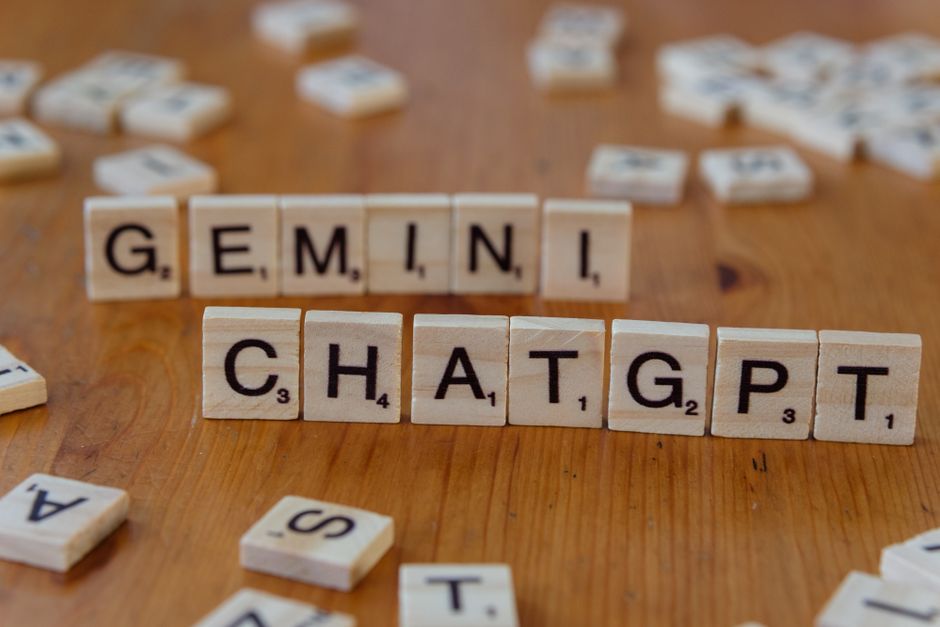
The digital landscape is constantly shifting, and staying ahead of the curve when it comes to website development and design can feel like a full-time job. We’re bombarded with new tools, platforms, and strategies, each promising to be the next big thing. But amidst the hype, it’s easy to get lost. Today, we’re cutting through the noise to explore how cutting-edge AI tools like Google’s Gemini and OpenAI’s ChatGPT are no longer just futuristic concepts, but practical, powerful allies for driving real website growth in 2026. Forget the generic advice; we’re diving into actionable ways these AI models can benefit your website, from design nuances to SEO triumphs and even smarter paid advertising.
Unlocking Design Potential with AI: More Than Just Pretty Pictures
When you think of AI in website design, you might picture automated layout generators. While those exist, the real power of Gemini and ChatGPT lies in their ability to understand context and nuance, offering insights that go far beyond basic aesthetics. In 2026, this means AI can be a creative partner, not just a tool.
1. Ideation and Mood Boarding: The AI Brainstorming Session
Staring at a blank canvas is a common hurdle. Gemini and ChatGPT can act as your virtual brainstorming partners. Instead of just searching for “website design inspiration,” you can feed them specific parameters:
- Define your target audience: “Generate mood board ideas for a sustainable fashion brand targeting Gen Z women, emphasizing natural textures and a minimalist aesthetic.”
- Describe your brand personality: “Suggest color palettes and typography styles that convey trust and innovation for a fintech startup.”
- Analyze competitor designs: “Identify common design patterns and user interface elements used by successful online learning platforms in the last year, and suggest ways to differentiate.”
These AI models can analyze vast amounts of data, identifying emerging trends and presenting them in a digestible format. They can even generate descriptive text for your mood boards, helping you articulate your vision to designers or stakeholders.
2. Content-Driven Design: AI as Your Copywriter’s Sidekick
Great design isn’t just about visuals; it’s about how content is presented. AI can bridge the gap between your copy and your layout:
- Headline and CTA optimization: “Suggest 10 compelling headlines for a blog post about the benefits of renewable energy, optimized for click-through rates.”
- Product description enhancement: “Rewrite this product description for a handmade ceramic mug to be more engaging and highlight its unique artisanal qualities.”
- Information hierarchy: “Given this list of features for a new software, suggest the most logical order to present them on a landing page to maximize user understanding and conversion.”
By understanding the intent behind your content, AI can help ensure your design elements support and amplify your messaging, leading to a more cohesive and effective user experience.
SEO Supercharged: How AI is Redefining Search Engine Optimization
SEO is no longer just about keywords. Search engines, particularly Google, are becoming increasingly sophisticated in understanding user intent and the quality of content. This is where Gemini and ChatGPT can be game-changers for your website’s visibility.
1. Advanced Keyword Research and Topic Clustering
While traditional keyword tools are still valuable, AI can take keyword research to a new level:
- Long-tail keyword generation: “Identify common questions people ask about ‘indoor plant care for beginners’ that are not widely covered in existing content.”
- Semantic keyword exploration: “Suggest related concepts and entities that Google might associate with ‘remote work productivity tools’.”
- Topic cluster mapping: “Based on the core topic ‘sustainable travel,’ generate a comprehensive list of sub-topics and pillar pages that would create a robust content cluster.”
By understanding the broader context and user intent, AI can help you uncover hidden keyword opportunities and build comprehensive topic clusters that search engines love.
2. Content Creation and Optimization for E-E-A-T
Google’s focus on Experience, Expertise, Authoritativeness, and Trustworthiness (E-E-A-T) is paramount. AI can assist in creating content that meets these standards:
- Drafting informative articles: “Write a detailed article explaining the process of setting up a home composting system, including common challenges and solutions.” (Remember to fact-check and add your unique expertise!)
- Improving existing content: “Analyze this blog post for clarity, conciseness, and factual accuracy. Suggest improvements to enhance its E-E-A-T signals.”
- Generating meta descriptions and titles: “Create five unique and compelling meta descriptions and titles for a page selling artisanal olive oil, highlighting its origin and health benefits.”
The key here is to use AI as a co-pilot, not an autopilot. Your human touch, expertise, and unique perspective are still crucial for building genuine authority.
3. Understanding Search Intent Beyond the Surface
Gemini and ChatGPT excel at understanding nuanced language. This can be leveraged for SEO by:
- Analyzing user queries: “What are the underlying needs and motivations behind searches for ‘best noise-cancelling headphones for travel’?”
- Predicting search intent shifts: “How might the search intent for ‘online education’ evolve in the next 12-18 months, considering emerging technologies?”
By deeply understanding what users are *really* looking for, you can tailor your content and website structure to meet those needs more effectively, leading to higher rankings and better engagement.
Smarter Paid Advertising: Optimizing Pay-Per-Click Campaigns with AI
Pay-per-click (PPC) advertising can be a powerful driver of traffic and conversions, but it requires constant optimization. Gemini and ChatGPT can help you refine your campaigns for better ROI.
1. Ad Copy Generation and A/B Testing
Crafting compelling ad copy that resonates with your target audience is crucial. AI can assist by:
- Generating diverse ad variations: “Create 10 different ad headlines and descriptions for a Google Ads campaign promoting a limited-time offer on eco-friendly cleaning products.”
- Tailoring copy to specific demographics: “Rewrite this ad copy to appeal to small business owners looking for accounting software, emphasizing time-saving benefits.”
- Suggesting calls to action: “Provide five strong calls to action for an ad promoting a free webinar on digital marketing strategies.”
You can then use these AI-generated variations in your A/B testing to identify the most effective messaging.
2. Keyword Expansion and Negative Keyword Identification
Finding the right keywords is only half the battle; avoiding irrelevant clicks is equally important.
- Identifying long-tail ad opportunities: “What are some niche, long-tail keywords related to ‘vegan skincare’ that might have lower competition and higher conversion rates?”
- Suggesting negative keywords: “Based on this list of keywords for ‘online art classes,’ what are some irrelevant terms that could be wasting our ad spend?”
This proactive approach can significantly improve your campaign efficiency.
3. Audience Segmentation and Targeting Refinement
Understanding your audience is key to effective targeting. AI can help by:
- Profiling potential customers: “Describe the typical interests and online behaviors of someone searching for ‘personalized gift ideas for anniversaries’.”
- Suggesting new audience segments: “Are there any under-served audience segments that might be interested in our luxury pet accessories, based on current online trends?”
These insights can inform your audience targeting in platforms like Google Ads, leading to more relevant ad delivery.
The Google News Advantage: Leveraging AI for Discovery
Getting your content featured in Google News can provide a significant boost in visibility and credibility. While editorial judgment is key, AI can help you prepare your content for this platform.
1. Identifying Newsworthy Angles
AI can help you analyze current events and industry trends to identify potential news-worthy angles for your content.
- Trend analysis: “What are the emerging trends in the e-commerce industry that could be turned into a timely news story?”
- Expert commentary identification: “Given this press release about our company’s new sustainable packaging, suggest potential expert commentary angles that would be of interest to tech journalists.”
2. Crafting Press Releases and News Summaries
While AI shouldn’t write your entire press release, it can be a valuable tool for:
- Summarizing key information: “Condense this detailed report on our Q3 earnings into a concise, news-friendly summary.”
- Suggesting headline options: “Generate five attention-grabbing headlines for a press release announcing our partnership with a leading AI research firm.”
The goal is to make your information easily digestible and appealing to journalists and editors.
Frequently Asked Questions (FAQ)
Q1: Can AI replace human website developers and designers?
No, not entirely. AI tools like Gemini and ChatGPT are powerful assistants that can automate tasks, generate ideas, and optimize processes. However, human creativity, strategic thinking, user empathy, and ethical considerations remain indispensable. They are best used to augment human capabilities, not replace them.
Q2: How do I ensure the content generated by AI is accurate and unique?
It’s crucial to always fact-check AI-generated content with reliable sources. Treat AI output as a first draft. Add your own expertise, unique voice, and original insights to ensure originality and build E-E-A-T. Plagiarism checkers can also be helpful.
Q3: What are the ethical considerations when using AI for website development and marketing?
Key ethical considerations include data privacy, transparency (disclosing AI use where appropriate), avoiding bias in AI outputs, and ensuring that AI is used to enhance user experience rather than manipulate users. Always adhere to platform guidelines and regulations.
Q4: How quickly can I expect to see results from using AI for SEO and PPC?
Results can vary. For SEO, it’s a long-term strategy, so improvements might take weeks or months. For PPC, you might see more immediate impacts on ad performance through better copy and targeting, often within days or weeks. Consistent application and ongoing optimization are key.
Conclusion: Embracing the AI Evolution for Sustainable Growth
In 2026, the question isn’t whether to use AI for your website’s growth, but how effectively you can integrate tools like Gemini and ChatGPT into your strategy. By moving beyond the hype and focusing on practical applications in website design, SEO, and PPC, you can unlock new levels of efficiency, creativity, and ultimately, tangible business results. Remember, AI is a tool to empower your human expertise, not a substitute for it. Embrace this evolution, experiment wisely, and watch your website thrive.