
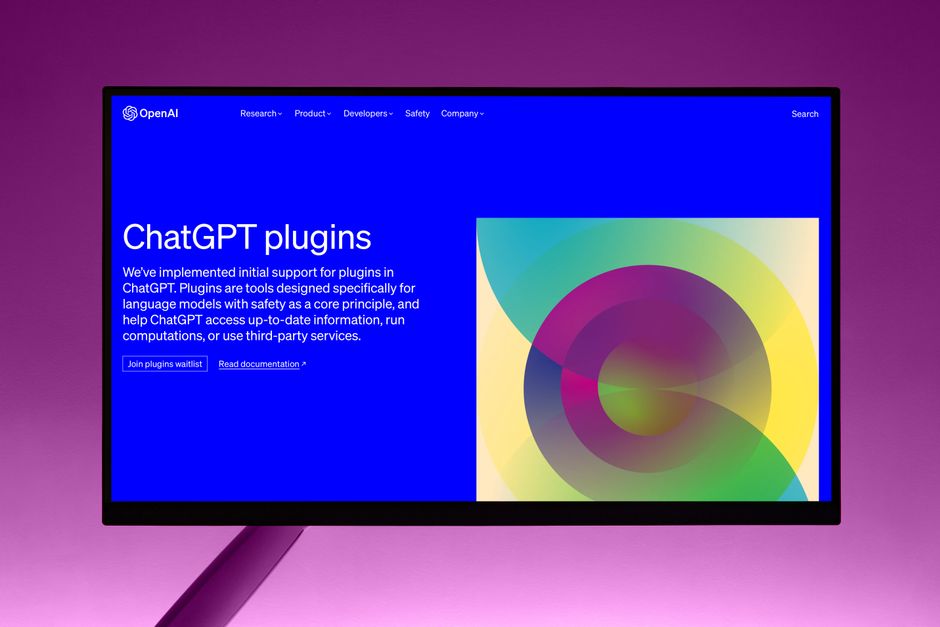
The digital landscape is always shifting, but few shifts have been as profound or as fast as the rise of artificial intelligence. If you’re building, designing, or marketing a website today, you’re likely already hearing about AI. But beyond the buzzwords and the basic content generation, how can tools like Gemini and ChatGPT truly transform your website’s journey from concept to clicks, especially as we look towards 2026?
This isn’t about AI replacing the human touch; it’s about AI becoming your most powerful co-pilot. It’s about augmenting your capabilities, streamlining workflows, and achieving levels of precision and efficiency that were once unimaginable. Let’s dive into the practical, real-world ways Gemini and ChatGPT can elevate your website development, supercharge your SEO, and fine-tune your Pay-Per-Click (PPC) campaigns.
The AI Co-Pilot in Website Design & Development
Building a website is a complex dance of creativity and technical skill. AI isn’t here to do it all for you, but it can certainly make the process faster, smarter, and more informed.
Streamlining Initial Design Concepts & Wireframing
- Idea Generation & Mood Boards: Struggling with a blank canvas? Describe your target audience, brand aesthetic, and industry to Gemini or ChatGPT. They can suggest color palettes, typography combinations, imagery styles, and even generate mood board concepts. This gives designers a strong starting point and helps articulate design direction faster.
- User Flow & Sitemap Drafts: Detail your website’s purpose and key user actions. AI can help draft initial user flows, outline potential sitemaps, and identify crucial pages or functionalities you might have overlooked. This ensures a logical structure from the outset.
- Placeholder Content: During the design phase, placeholder text (lorem ipsum) can be generic. AI can generate more contextually relevant placeholder content based on your industry, giving stakeholders a better feel for the final product and helping designers understand content constraints.
Accelerating Development & Code Generation
- Boilerplate Code Snippets: Need a standard HTML header, a CSS flexbox layout, or a basic JavaScript function? AI can generate these common code blocks instantly, saving developers precious time on repetitive tasks.
- Debugging Assistance: Encountered an error in your code? Paste the error message and the relevant code snippet into Gemini or ChatGPT. They can often explain the error, identify the root cause, and even suggest potential fixes, acting as an invaluable second pair of eyes.
- Accessibility Checks & Recommendations: Describe your website’s elements, and AI can provide recommendations for improving accessibility (e.g., proper alt text for images, ARIA attributes, color contrast suggestions), helping you build a more inclusive web presence.
Supercharging Your SEO Strategy with AI
SEO is no longer just about keywords; it’s about understanding user intent, providing comprehensive answers, and building authority. AI tools are game-changers here.
Advanced Keyword Research & Content Planning
- Beyond Basic Keywords: Feed AI your core topics, and it can uncover long-tail keywords, semantic search terms, and related questions users are asking. It can also analyze competitor content to identify gaps in your own strategy.
- Topic Cluster Identification: Instead of isolated articles, search engines favor topic clusters. AI can help you map out interconnected content ideas, suggesting pillar pages and supporting articles to build comprehensive authority around a subject.
- Content Outlines & Briefs: Provide your target keyword and user intent, and AI can generate detailed content outlines, including suggested headings, subheadings, and key points to cover, ensuring your articles are thorough and well-structured for optimal SEO.
On-Page Optimization & Technical SEO Assistance
- Meta Descriptions & Titles: Craft compelling, keyword-rich meta descriptions and titles that encourage clicks. AI can generate multiple variations, allowing you to test and refine for maximum impact.
- Internal Linking Strategies: Describe your website’s content, and AI can suggest relevant internal links between your articles, improving site navigation, distributing link equity, and keeping users engaged longer.
- Schema Markup Opportunities: AI can identify opportunities for structured data (schema markup) on your pages (e.g., for recipes, products, events, FAQs), helping search engines better understand your content and potentially earning you rich snippets in search results.
- Site Speed Recommendations: While AI won’t fix your code directly, it can analyze recommendations from tools like Google Lighthouse and translate complex technical jargon into actionable steps for improving your website’s performance.
Crafting Engaging Content (Beyond the Obvious)
- Rephrasing & Simplification: Have complex technical content? AI can help rephrase it into simpler, more accessible language for a broader audience, or expand on concise points for greater depth.
- Generating FAQs: Based on your main content, AI can predict common user questions and generate a comprehensive FAQ section, directly addressing user intent and improving your page’s helpfulness.
- Personalized Content Variations: For specific segments of your audience, AI can help tailor content variations that resonate more deeply, improving engagement and conversion rates.
Elevating Your PPC Campaigns with AI Precision
Pay-Per-Click (PPC) advertising thrives on precision, constant optimization, and rapid iteration. AI is a natural fit for boosting your campaign performance.
Dynamic Ad Copy & Headline Generation
- Rapid Ad Variation Creation: Input your product/service, target audience, and unique selling points. AI can quickly generate dozens of compelling ad headlines and descriptions, testing different angles, tones, and calls to action.
- Audience-Specific Tailoring: AI can help you craft ad copy that speaks directly to different audience segments. For example, an ad for small businesses might differ significantly from one targeting enterprise clients, even for the same product.
- A/B Testing Ideas: Beyond just generating copy, AI can suggest specific elements to A/B test within your ads (e.g., emotional vs. logical appeals, different CTAs), guiding your optimization efforts.
Keyword Expansion & Negative Keyword Identification
- Uncovering New Keywords: Analyze your current campaign performance with AI. It can suggest new, relevant keywords you might be missing, expanding your reach to highly qualified prospects.
- Proactive Negative Keywords: AI can help identify terms that are similar to your target keywords but irrelevant to your offering, allowing you to add them as negative keywords. This prevents wasted ad spend on unqualified clicks.
Landing Page Optimization Recommendations
- Ad-to-Page Relevance: AI can analyze your ad copy and compare it to your landing page content, suggesting improvements to ensure perfect alignment. High relevance means better Quality Scores and lower costs.
- Conversion Rate Suggestions: By analyzing conversion best practices, AI can recommend improvements to your landing page’s calls to action, form fields, layout, and messaging to boost conversion rates.
Navigating Google News & E-A-T with AI
For businesses aiming for authority and timely relevance, especially in dynamic industries, appearing in Google News is a powerful goal. E-A-T (Expertise, Authoritativeness, Trustworthiness) is paramount, and AI can assist.
Content Strategy for News & Authority
- Identifying Trending Topics: AI can monitor news trends and discussions relevant to your niche, helping you pinpoint timely topics to cover that are likely to attract attention and demonstrate industry awareness.
- Crafting News-Worthy Angles: How do you make your content “news-worthy”? AI can help brainstorm unique angles, develop compelling narratives, and frame your insights in a way that resonates with news consumers.
- E-A-T Enhancement: AI can assist in demonstrating E-A-T by suggesting where to include expert quotes, link to authoritative studies, cite credible sources, and ensure factual accuracy. It can also help structure author bios to highlight expertise.
Optimizing for Google News Inclusion
- Technical Requirement Checks: While not a substitute for manual review, AI can help you understand and adhere to Google News technical guidelines, such as ensuring clear authorship, publication dates, and appropriate structured data for news articles.
- Summarizing for Quick Consumption: News readers often scan. AI can generate concise, impactful summaries of your longer articles, making them more digestible and appealing for Google News feeds.
Frequently Asked Questions (FAQ)
Will AI replace web developers, designers, or marketers?
No, not entirely. AI is a powerful tool for augmentation, not replacement. It handles repetitive tasks, generates ideas, and crunches data faster, freeing up human professionals to focus on strategy, creativity, critical thinking, and complex problem-solving. The human element of understanding nuance, culture, and true innovation remains irreplaceable.
How do I choose between Gemini and ChatGPT for these tasks?
Both are incredibly capable. Gemini (especially its more advanced versions) often excels with multimodal inputs, meaning it can understand and process information from text, images, and potentially even video or audio. This can be beneficial for design-related tasks or analyzing visual data. ChatGPT (especially GPT-4 and beyond) is renowned for its strong text generation, reasoning, and coding capabilities. Often, the best approach is to experiment with both to see which one provides the most accurate and helpful responses for your specific needs and prompts.
Is AI-generated content good for SEO?
AI-generated content *can* be good for SEO, but it’s not a magic bullet. Google prioritizes helpful, reliable, and people-first content. If AI is used to quickly churn out low-quality, unoriginal, or unedited content, it won’t perform well. However, when used as a tool to research, outline, draft, or refine high-quality content that is then reviewed, edited, and enhanced by a human expert, it can be extremely effective for SEO.
What are the ethical considerations when using AI for websites?
Ethical considerations include ensuring transparency (disclosing AI use where appropriate), avoiding bias in AI-generated content, protecting user data, and verifying the accuracy of information. Always review AI outputs for factual correctness and cultural