Unlocking Website Success with Your AI Co-Pilot
Building a successful website in today’s digital landscape feels like trying to hit a moving target. It’s not just about pretty pictures and some text anymore; it’s about seamless user experience, strategic content, cutting-edge SEO, targeted advertising, and staying relevant in a blink-and-you-miss-it news cycle. For many, this multi-faceted challenge can be overwhelming. But what if you had a brilliant, tireless assistant, a digital co-pilot, ready to help you navigate every step from initial concept to consistent traffic?
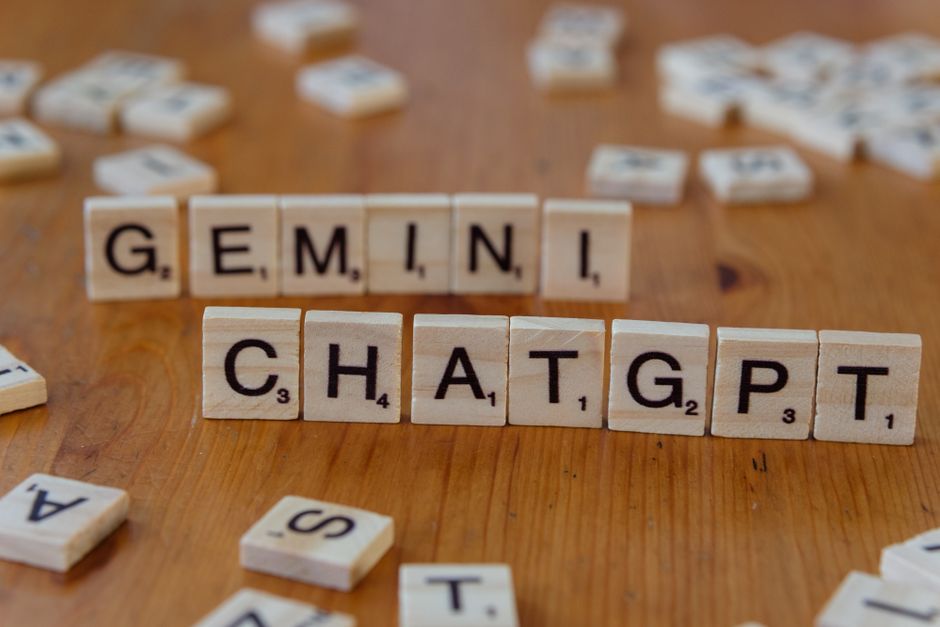
Enter AI, specifically powerful large language models like Google’s Gemini and OpenAI’s ChatGPT. These aren’t just tools for writing basic blog posts; they are strategic partners that can revolutionize how you approach website development, design, SEO, and even your pay-per-click campaigns. This article will show you how to leverage these AI co-pilots to build, optimize, and grow a website that truly stands out and captures attention, even on platforms like Google News, without repeating the same old advice.
Your AI-Powered Website Blueprint: Practical Applications
Let’s dive into actionable ways Gemini and ChatGPT can serve as your strategic partners across the entire website lifecycle.
Phase 1: AI for Strategic Website Design & Development
Before a single line of code is written or a pixel placed, AI can provide invaluable insights that shape your website’s foundation.
- User Persona & Journey Mapping: Instead of guessing who your audience is, ask AI.
- Prompt Idea: “Generate 3 distinct user personas for an online sustainable fashion boutique targeting Gen Z and Millennials. For each, include demographics, pain points, motivations, and digital habits. Then, map a typical user journey for one of these personas from discovering the site to making a purchase.”
- Benefit: AI quickly synthesizes common traits, helping you design with a specific user in mind, anticipating their needs and potential roadblocks.
- Information Architecture & Content Structure: A well-organized site is crucial for user experience and SEO.
- Prompt Idea: “I’m building a website for a local artisanal bakery. Suggest a logical information architecture for the main navigation, including categories like ‘Our Breads,’ ‘Custom Cakes,’ ‘Catering,’ ‘About Us,’ and ‘Contact.’ Also, propose sub-categories and key pages for each.”
- Benefit: AI can quickly outline logical site structures, saving hours of manual brainstorming and ensuring a user-friendly flow.
- UI/UX Ideation & Wireframe Suggestions: Get creative design concepts without hiring a full design team for initial sketches.
- Prompt Idea: “Describe 3 distinct homepage layout concepts for a SaaS company offering project management software. Focus on a clear call-to-action, feature highlights, and social proof. Suggest key sections and their purpose for each concept.”
- Benefit: AI helps visualize different design approaches, giving you a strong starting point for wireframing or communicating with a designer.
- Microcopy & Call-to-Action (CTA) Optimization: The small words make a big difference.
- Prompt Idea: “Generate 10 compelling call-to-action button texts for a free trial sign-up page for a fitness app. Include variations that evoke urgency, benefit, and curiosity.”
- Benefit: AI provides a range of persuasive microcopy options, improving conversion rates.
Phase 2: AI for Advanced SEO & Content Strategy (Beyond Basic Blog Posts)
SEO is more than just keywords; it’s about authority, relevance, and user intent. AI supercharges your strategy.
- Unconventional Keyword Research & Semantic Gaps: Go beyond obvious keywords.
- Prompt Idea: “Given the core topic ‘eco-friendly home gardening,’ identify 5 long-tail, low-competition keywords that indicate high purchase intent. For each, suggest a unique content angle that hasn’t been widely covered by competitors.”
- Benefit: AI helps uncover niche opportunities and semantic connections that human researchers might miss, leading to less saturated content topics.
- SERP Feature Optimization & Content Briefs: Understand what Google truly wants to rank.
- Prompt Idea: “Analyze the top 5 Google search results for ‘best ergonomic office chair for back pain.’ Summarize common themes, recurring questions, and identify any missing information or unique angles I could cover to create a comprehensive article that aims for a ‘featured snippet.'”
- Benefit: AI distills competitor strategies and highlights opportunities to outrank them by providing more comprehensive or better-structured content.
- Google News & Trendjacking Content Ideation: Stay relevant and get noticed by news aggregators.
- Prompt Idea: “For a tech news website, identify 3 current or emerging trends in AI ethics that could generate significant interest on Google News. For each trend, propose a compelling headline and a unique angle for an article that would appeal to a broad tech-savvy audience.”
- Benefit: AI can quickly identify trending topics and suggest angles that make your content newsworthy and shareable, increasing your chances of appearing in Google News.
- Internal Linking Strategy & Topic Clusters: Build site authority and guide users.
- Prompt Idea: “I have a cornerstone article about ‘The Ultimate Guide to Vegan Baking.’ Suggest 5 related sub-topics for supporting articles and outline how they should internally link back to the main guide to create a strong topic cluster for SEO.”
- Benefit: AI helps structure your content into interconnected clusters, improving SEO authority and user navigation.
Phase 3: AI for Innovative Pay-Per-Click (PPC) Campaign Ideation & Optimization
PPC isn’t just about bidding; it’s about messaging and targeting. AI can refine both.
- Ad Copy & Headline Variations: Generate a multitude of options for A/B testing.
- Prompt Idea: “Generate 10 distinct Google Ads headlines and descriptions for a ‘luxury handcrafted leather wallet’ campaign. Include variations focusing on craftsmanship, durability, exclusivity, and gifting potential.”
- Benefit: AI provides a wide array of creative ad copy, allowing you to test what resonates best with your audience, leading to higher click-through rates and better quality scores.
- Landing Page Content Suggestions: Ensure your ad clicks lead to conversions.
- Prompt Idea: “For a PPC campaign promoting a ‘2-week free trial of online yoga classes,’ suggest key sections and compelling content points for the landing page that would maximize sign-ups.”
- Benefit: AI helps align your landing page content with your ad messaging, reducing bounce rates and improving conversion rates.
- Audience Targeting Insights & Negative Keyword Brainstorming: Spend your ad budget wisely.
- Prompt Idea: “For a B2B software product targeting small businesses, suggest 5 unexpected or niche demographic/interest segments that might be overlooked by competitors. Additionally, brainstorm 10 negative keywords to exclude for a ‘project management software’ campaign to avoid irrelevant clicks.”
- Benefit: AI can uncover new audience segments and identify irrelevant search terms, optimizing ad spend and improving campaign efficiency.
Frequently Asked Questions About AI in Website Development & Marketing
Is AI going to replace web developers and marketers?
No, not entirely. AI tools like Gemini and ChatGPT are powerful assistants, not replacements. They excel at automating repetitive tasks, generating ideas, and analyzing data at scale. Human creativity, strategic thinking, ethical judgment, and the ability to build genuine relationships remain indispensable. The future involves humans and AI collaborating, with AI handling the heavy lifting and humans focusing on high-level strategy and execution.
Which AI (Gemini vs. ChatGPT) is better for specific tasks?
Both Gemini and ChatGPT are incredibly versatile and capable of handling a wide range of tasks. Often, their strengths overlap significantly. Gemini, being a Google product, might have a slight edge in integrating with Google’s ecosystem (like search trends or Google News insights), while ChatGPT has a very robust and widely adopted API. The best approach is often to experiment with both or use them complementarily, leveraging the unique nuances each offers for specific prompts.
How accurate is AI-generated information, especially for SEO or development?
While AI is incredibly powerful, it’s crucial to remember that it can “hallucinate” or provide outdated information. Always treat AI-generated content, code snippets, or data analyses as a starting point. Verify facts, test code, and cross-reference information with reliable sources. Your human expertise is vital for validating AI’s output and ensuring accuracy and quality.
What are the ethical considerations when using AI for website content and marketing?
Ethical considerations include transparency (disclosing AI use where appropriate), avoiding plagiarism, ensuring factual accuracy, preventing bias in generated content, and respecting user privacy. Always review AI output for fairness, inclusivity, and originality. The responsibility for the final content and its impact ultimately lies with the human creator.
Conclusion: Your Future-Proof Website Strategy
The digital landscape is constantly evolving, and staying ahead requires innovation and efficiency. By embracing AI as your strategic co-pilot, you’re not just automating tasks; you’re augmenting your capabilities. Gemini and ChatGPT offer an unprecedented opportunity to streamline your website development, refine your design choices, supercharge your SEO, craft more effective PPC campaigns, and even strategically target platforms like Google News. This isn’t about replacing human ingenuity, but amplifying it, allowing you to focus on the big picture, the creative insights, and the strategic decisions that truly differentiate your online presence. Start integrating AI into your workflow today, and build a website that’s not just functional, but truly future-proof.