
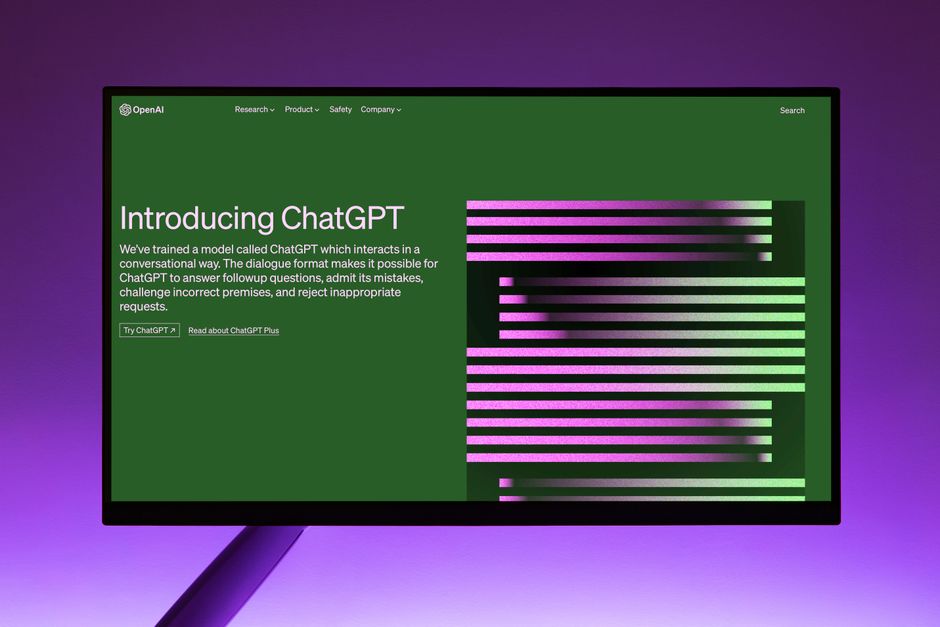
The digital landscape is constantly evolving, and building a website that truly stands out, ranks high, and converts visitors is more challenging than ever. Forget the old ways of endless manual tasks and guesswork. We’re on the cusp of a revolution, and your secret weapon isn’t a new coding language or a flashy design trend – it’s artificial intelligence, specifically tools like Google’s Gemini and OpenAI’s ChatGPT.
These aren’t just chatbots for fun; they’re sophisticated co-pilots ready to transform every stage of your website’s journey, from initial design and development to ongoing SEO optimization and powerful Pay-Per-Click campaigns. This article isn’t about theoretical AI; it’s about practical, actionable strategies you can implement right now to build a faster, smarter, and more discoverable website.
Harnessing AI in Website Design & Development
Gone are the days when web development was solely a coder’s domain. AI tools are democratizing the process, making it faster and more efficient for everyone.
Rapid Prototyping & UI/UX Ideas
-
Visualize with AI: Stuck on design? Describe your ideal user interface (UI) to Gemini or ChatGPT. “I need a clean, minimalist e-commerce product page for handmade jewelry, featuring large images and clear calls to action.” AI can generate wireframe concepts, mood board ideas, or even basic HTML/CSS layouts that you can then refine. Gemini’s multi-modal capabilities are particularly useful here; you could upload a competitor’s screenshot and ask for “5 ways to improve the user flow on this checkout page.”
-
User Flow & Journey Mapping: Ask AI to outline potential user journeys based on your business goals. “Map out the steps a new customer would take from landing on my blog to making their first purchase, including potential pain points and solutions.” This helps you anticipate user needs and design intuitive navigation.
Code Snippet Generation & Debugging
-
Quick Code Solutions: Need a specific JavaScript function, a responsive CSS media query, or a basic HTML structure? Instead of trawling Stack Overflow, ask ChatGPT. “Write a JavaScript function to validate an email address on form submission” or “Give me CSS to make an image gallery responsive on mobile.” Always review the code, but it can save hours.
-
Error Identification & Explanation: Paste a problematic code snippet into Gemini or ChatGPT and ask, “What’s wrong with this code, and how can I fix it?” The AI can often pinpoint syntax errors, logical flaws, or suggest more efficient approaches, along with clear explanations.
Accessibility & Responsiveness Checks
-
Accessibility Insights: Describe your website’s layout or content structure to AI and ask for potential accessibility issues. “Given my website uses a light grey text on a white background, what are the potential WCAG contrast issues?” AI can highlight common pitfalls and suggest improvements for users with disabilities.
-
Mobile-First Optimization Ideas: Ask for suggestions on how to optimize specific elements for mobile. “How can I improve the mobile navigation for a site with many categories?” AI can offer ideas like hamburger menus, sticky headers, or streamlined search functions.
AI for Next-Level SEO: Getting Found & Loved by Google
SEO isn’t just about keywords anymore; it’s about user intent, technical excellence, and authoritative content. AI is your ultimate ally in navigating this complexity.
Deep Dive Keyword Research & Content Strategy
-
Beyond Basic Keywords: Provide AI with a broad topic, and ask it to generate long-tail keywords, semantic keywords, and questions users ask. “Generate a list of 20 long-tail keywords and related search queries for ‘sustainable home gardening tips’.” This uncovers hidden opportunities and helps you target specific user intent.
-
Topic Cluster Development: Ask Gemini or ChatGPT to help you build comprehensive topic clusters. “I want to create a topic cluster around ‘remote work productivity.’ Suggest pillar content ideas and at least 5 supporting articles with their primary keywords.” This structured approach signals authority to search engines.
On-Page Optimization Power-Up
-
Compelling Meta Descriptions & Title Tags: Give AI your target keyword and a brief content summary, then ask for several variations of meta descriptions and title tags designed for click-through rate. “Write 3 engaging meta descriptions (under 160 characters) and 3 title tags (under 60 characters) for an article about ‘AI tools for small business marketing’.”
-
Schema Markup Generation: Schema markup helps search engines understand your content better. Ask AI to generate specific schema JSON-LD for reviews, products, FAQs, or articles. “Generate JSON-LD schema for an FAQ section on my website with these 3 questions and answers.”
Technical SEO Assistant
-
Site Structure Ideas: Describe your website’s content, and ask AI for optimal site structure suggestions to improve crawlability and user experience. “I have a blog about travel, food, and culture. How should I structure my categories and tags for best SEO?”
-
Core Web Vitals Insights: While AI can’t directly fix your Core Web Vitals, it can analyze explanations of issues. If you get a report saying “Large Contentful Paint is too high,” ask AI, “What are common reasons for a high LCP, and what steps can I take to improve it in a WordPress site?”
Content Creation & Refinement
-
Outline & Brainstorm: AI can help you outline blog posts, articles, or landing page copy, ensuring logical flow and comprehensive coverage. “Create a detailed outline for a blog post about ‘the future of e-commerce in 2024’.”
-
Improve Readability & Tone: Paste your written content and ask AI to “rewrite this paragraph for a simpler, more engaging tone” or “improve the readability score of this section.”
Supercharging Your PPC Campaigns with AI Smarts
PPC is all about precision and performance. AI can significantly boost your campaign effectiveness, saving you money and increasing conversions.
Ad Copy That Converts
-
Dynamic Ad Copy Generation: Provide AI with your product/service features, target audience, and desired call to action. Ask it to generate multiple headlines and descriptions for Google Ads or social media ads. “Generate 5 compelling ad headlines and 3 descriptions for a Google Ads campaign targeting ‘online yoga classes for beginners’.”
-
A/B Testing Ideas: AI can suggest variations for A/B testing based on psychological principles or known high-performing ad elements. “Suggest three different angles for A/B testing my current Facebook ad copy for a fitness app.”
Audience Insights & Targeting Refinement
-
Beyond Demographics: Ask AI to identify psychographic profiles or interest-based targeting ideas for your specific niche. “What are the typical interests and online behaviors of people likely to buy eco-friendly pet products?”
-
Negative Keyword Suggestions: Provide your main keywords and ask AI to suggest negative keywords to prevent irrelevant clicks. “For the keyword ‘digital marketing course,’ suggest negative keywords to avoid targeting free content seekers.”
Landing Page Optimization
-
Headline & CTA Suggestions: Give AI your landing page content and ask for alternative, high-converting headlines and calls-to-action (CTAs). “Suggest 5 persuasive headlines and 3 strong CTAs for a landing page promoting a free e-book on financial planning.”
-
Layout & Content Flow Ideas: While AI can’t design visually, it can suggest improvements to content hierarchy and flow based on conversion best practices. “How can I restructure the content on my landing page to guide users more effectively towards the ‘sign up’ button?”
Cracking the Google News Code (For News-Oriented Sites)
If your website publishes timely, original content and aims for Google News inclusion, AI can be a powerful assistant.
-
Content Formatting for News Discoverability: Ask AI to outline the optimal structure for news articles, focusing on clarity, conciseness, and E-E-A-T (Experience, Expertise, Authoritativeness, Trustworthiness) signals. “What are the key elements of a Google News-friendly article structure, and how can I ensure my content demonstrates E-E-A-T?”
-
Timeliness & Trend Monitoring: While AI itself isn’t a real-time news scanner, you can use it to process trend data or news feeds you provide. “Analyze these 10 recent headlines in the tech industry and suggest a unique angle for a follow-up article that could gain traction.”
Practical Tips for Integrating AI into Your Workflow
-
Start Small, Experiment Often: Don’t try to overhaul your entire process at once. Pick one area (e.g., meta description generation) and see how AI can help. Experiment with different prompts and models.
-
Always Review & Refine: AI is an assistant, not a replacement. Its output needs human oversight for accuracy, tone, and brand consistency. Fact-check everything.
-
Learn Effective Prompting: The quality of AI output directly relates to the quality of your prompts. Be specific, provide context, and ask for specific formats (e.g., “in a table,” “as a list of bullet points”).
-
Use AI as an Assistant