The internet is an ever-expanding universe, and for any website, simply existing isn’t enough. In a sea of billions of pages, standing out and getting noticed by your target audience is the ultimate challenge. Traditional website development and design, robust SEO, and smart pay-per-click (PPC) campaigns have always been crucial. But what if there was a way to amplify these efforts, making your website not just visible, but hyper-visible?
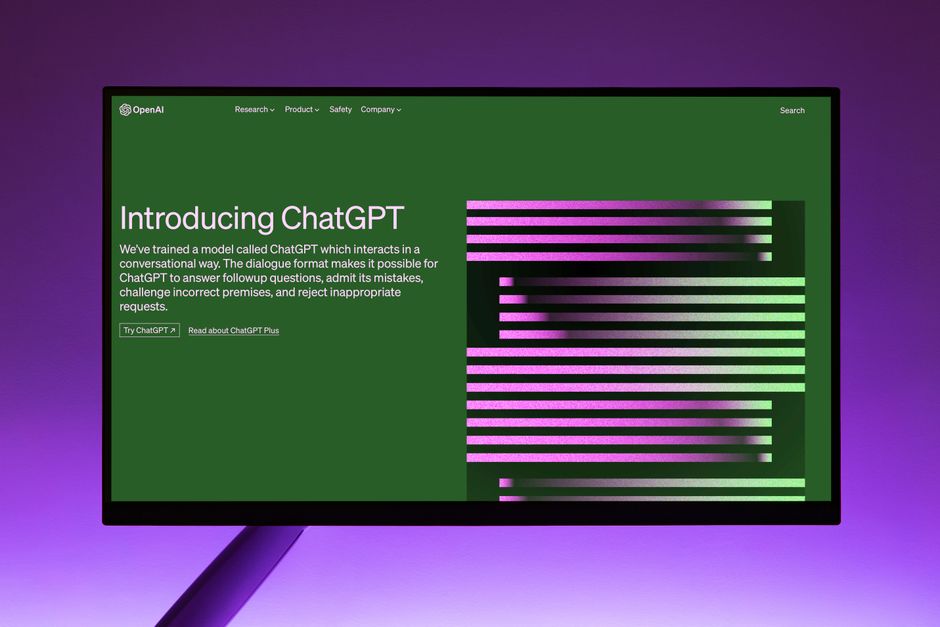
Enter Artificial Intelligence, specifically powerful large language models like Google’s Gemini and OpenAI’s ChatGPT. These aren’t just tools for writing essays or generating code snippets; they are strategic partners that can revolutionize how web professionals approach website development, design, SEO, PPC, and even how they get featured on coveted platforms like Google News. This article dives into practical, actionable strategies to leverage AI for unparalleled website prominence, moving beyond the mere act of building to the art of getting found.
The New Visibility Landscape: Why AI Isn’t Optional
In today’s digital ecosystem, a website’s success hinges on its ability to be discovered. This involves a complex interplay of factors:
- Search Engine Optimization (SEO): Ranking high on Google, Bing, and other search engines.
- Paid Advertising (PPC): Strategically placing ads to capture immediate attention.
- Content Aggregators: Getting picked up by platforms like Google News, which can drive massive traffic and authority.
- User Experience (UX): Ensuring visitors stay, engage, and convert once they arrive.
Manually optimizing for all these fronts is incredibly time-consuming, often requiring extensive research, analysis, and iterative adjustments. This is where AI steps in. Gemini and ChatGPT, with their ability to process vast amounts of data, identify patterns, generate creative solutions, and even simulate user behavior, offer web professionals a significant edge. They don’t replace human expertise but augment it, turning hours of work into minutes and providing insights that might otherwise be missed.
Practical Tips: Leveraging Gemini & ChatGPT for Hyper-Visible Websites
1. AI-Enhanced Website Development & Design Choices
Before a single line of code is written or a design mock-up finalized, AI can inform foundational decisions that impact visibility.
- User Experience (UX) Insights: Use AI to analyze competitor websites and user reviews to identify optimal navigation structures, content layouts, and call-to-action placements. Ask Gemini or ChatGPT: “Based on [industry] best practices, what are common UX pitfalls to avoid for a [type of website]?” or “Suggest ideal user flows for a [specific goal, e.g., e-commerce checkout, lead generation] website.”
- Accessibility Checks: AI can quickly review design elements and content for potential accessibility issues (e.g., color contrast, alternative text suggestions for images). While not a substitute for human review and dedicated accessibility tools, it can flag initial concerns.
- Performance Optimization Ideas: Feed AI your website’s performance reports (e.g., from Google Lighthouse) and ask for specific, actionable recommendations to improve loading speed, responsiveness, and core web vitals. It can even suggest code optimizations or server configurations.
- Schema Markup Generation: Schema markup is crucial for rich snippets in search results. AI can generate accurate JSON-LD schema for various content types (articles, products, events, organizations) based on your input, saving significant manual effort and reducing errors.
2. Next-Gen SEO with AI
AI transforms SEO from a tedious task into a dynamic, data-driven strategy.
- Advanced Keyword Research: Go beyond basic keywords. Use AI to uncover long-tail keywords, semantic variations, and user intent behind search queries. Ask: “Generate a list of long-tail keywords related to ‘sustainable web design’ for a B2B audience, focusing on problem-solving intent.” or “What are the common questions people ask about [topic] that my website could answer?”
- Content Generation & Optimization: While AI can write content, its real power for SEO lies in optimizing existing content and outlining new pieces.
- Outlining: Provide a target keyword and ask AI to generate a comprehensive article outline, including subheadings, key points, and related entities to cover.
- Optimization: Paste existing content and ask AI to “improve this article for SEO targeting ‘keyword X’, ensuring it includes LSI keywords and addresses user intent.” It can suggest internal link opportunities, meta descriptions, and title tag improvements.
- Multilingual SEO: AI can rapidly translate and localize content, making global SEO efforts more efficient.
- Competitive Analysis: Feed AI URLs of competitor pages and ask for an analysis of their SEO strengths and weaknesses, their content strategy, and potential gaps you can exploit.
- Local SEO Strategies: For businesses with a physical presence, AI can help optimize Google My Business descriptions, generate localized content ideas, and even draft responses to reviews.
3. Smart PPC Campaigns Powered by AI Insights
AI can make your paid advertising more effective, reducing wasted spend and increasing ROI.
- Ad Copy Generation & A/B Testing Ideas: AI can generate multiple variations of compelling ad headlines and descriptions tailored to different audience segments and campaign goals. It can also suggest A/B test hypotheses based on common advertising principles and competitor analysis. “Create 5 ad headlines for a PPC campaign promoting ‘AI-driven web analytics tools’ focusing on efficiency and ROI.”
- Audience Targeting Refinement: While platforms handle much of this, AI can help you understand your ideal customer profile more deeply. Describe your product/service and ask AI to “identify potential niche audience segments for a PPC campaign that might be overlooked by competitors.”
- Landing Page Optimization Suggestions: Provide AI with your ad copy and landing page content, then ask it to “suggest improvements to this landing page to increase conversion rate for visitors coming from an ad about [topic].” It can identify disconnects between ad message and landing page experience.
- Budget Allocation Insights: Although AI won’t directly manage your budget without integration, you can ask it to “analyze historical PPC data (if available) and suggest which keywords or ad groups historically performed best and worst, helping inform future budget allocation.”
4. Cracking Google News & Discover with AI
Getting your content featured on Google News or Google Discover can be a game-changer for traffic and authority. AI can significantly improve your chances.
- Identifying Trending Topics: Use AI to monitor news trends and identify angles relevant to your niche that have high potential for virality or news interest. “What are the top 5 trending topics in ‘web development’ right now that could be turned into a news-worthy article?”
- Content Structuring for News Aggregators: News platforms favor specific content formats. AI can help you structure articles with clear headlines, concise intros, and factual body paragraphs that align with journalistic best practices. Ask: “How should I structure a news article about [topic] to be appealing to Google News algorithms?”
- Headline Optimization for Click-Through: Crafting irresistible headlines is key. AI can generate multiple headline options that are both informative and captivating, designed to maximize click-through rates from news feeds.
- Monitoring News Landscape: Set up AI-powered alerts (via integrated tools or custom prompts) to monitor how your competitors or industry leaders are performing on Google News, helping you identify opportunities and refine your strategy.
Navigating the AI Frontier: Best Practices & Ethical Considerations
While AI offers incredible power, it’s a tool, not a replacement. To use it effectively and ethically:
- Maintain Human Oversight: Always review and edit AI-generated content and suggestions. AI can hallucinate, make factual errors, or produce generic output.
- Fact-Checking is Paramount: Never publish AI-generated information without verifying its accuracy, especially for news or technical content.
- Preserve Brand Voice: Fine-tune AI to match your unique brand voice and tone. Don’t let your content become blandly AI-sounding.
- Avoid AI-Generated Spam: Using AI to churn out low-quality, keyword-stuffed content will hurt your visibility in the long run. Focus on quality, value, and user intent.
- Understand AI Limitations: AI lacks true understanding, empathy, and current real-world experience beyond its training data cut-off. Use it for analysis and generation, but rely on human judgment for strategy and nuance.
Frequently Asked Questions (FAQ)
Q: Can AI completely replace human web developers/designers/SEO specialists?
A: No, AI is a powerful assistant, not a replacement. It excels at data analysis, content generation, and pattern recognition, but human creativity, strategic thinking, ethical judgment, and nuanced problem-solving remain indispensable. AI enhances human capabilities, allowing professionals to focus on higher-level tasks.
Q: How do I choose between Gemini and ChatGPT for these tasks?
A: Both are excellent. Gemini (especially advanced versions) often has a slight edge in real-time information access and multimodal capabilities (understanding images, video, etc.), which can be useful for current trends and visual design feedback. ChatGPT (especially with plugins or custom GPTs) is highly versatile for text generation and complex reasoning. Often, trying both for specific tasks will reveal which one aligns better with your workflow or delivers superior results for your particular needs.
Q: Is using AI for SEO “cheating” or risky?
A: Using AI for SEO is not inherently cheating or risky, as long as it’s done responsibly. Google’s guidelines emphasize helpful, high-quality, human-centric content, regardless of how it’s produced. The risk comes from using AI to create low-quality, spammy, or deceptive content purely for search engine manipulation. When used to enhance research, optimize existing content, or inform strategy, AI is a legitimate and valuable tool.
Q: What’s the biggest mistake people make when using AI for website visibility?
A: The biggest mistake is treating AI as a “set it and forget it” solution or blindly trusting its output. Over-reliance without human oversight, fact-checking, and strategic input often leads to generic, inaccurate, or even harmful results that can damage a website’s credibility and visibility.
Q: How quickly can I expect results from these AI strategies?
A: SEO, by nature, is a long-term strategy, and results can take weeks to months to appear. However