
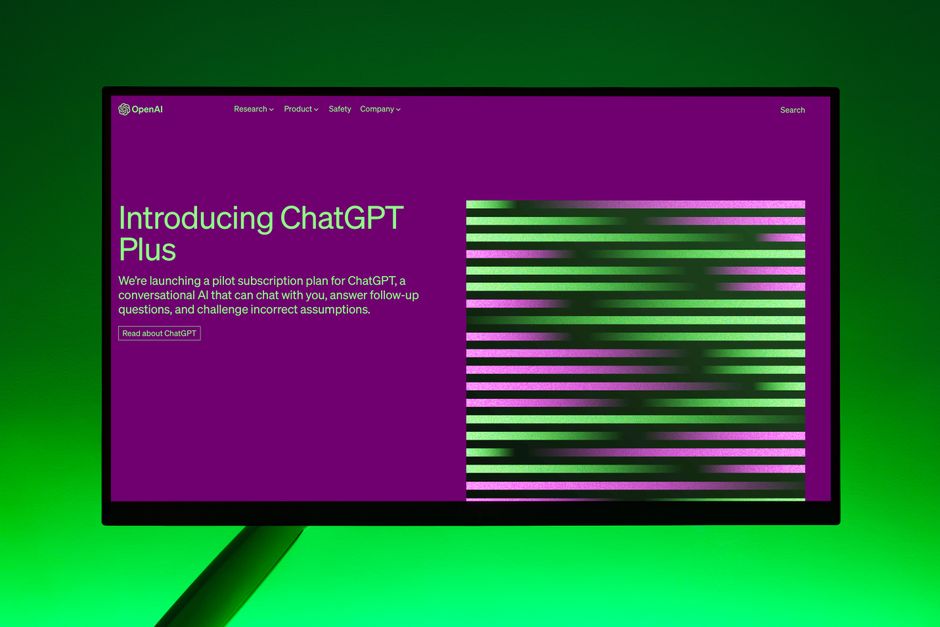
The digital landscape is a battlefield, and your website is your command center. For small businesses, solopreneurs, and even seasoned agencies, staying ahead means constantly innovating, building, and refining. But what if you had a brilliant co-pilot, a tireless assistant ready to brainstorm, draft, and optimize every aspect of your online presence? Enter the age of AI-powered website development and marketing, with tools like Gemini and ChatGPT leading the charge.
Forget the old narrative of AI replacing human creativity. Today, these intelligent systems are not just fancy chatbots; they are sophisticated engines designed to amplify your efforts across website development, design, SEO, and even your pay-per-click (PPC) campaigns. They’re helping you unearth opportunities you might have missed and execute tasks with unprecedented speed.
This isn’t about complex coding or advanced data science. This article will show you practical, accessible ways to leverage AI as your website’s co-pilot, helping you build a stronger online presence, outrank competitors, and connect with your audience more effectively. We’ll dive into actionable strategies, from initial website design concepts to advanced SEO tactics and even how to get your content noticed on Google News.
Your AI Co-Pilot for Website Development & Design
Building a website used to be a daunting task, often requiring multiple experts. Now, AI can streamline much of the foundational work, acting as your digital architect and content strategist.
Brainstorming & Planning Your Site Structure
Before a single line of code is written or a design mock-up created, a solid plan is essential. AI tools can help you map out your website’s blueprint.
- User Flow & Sitemap Generation: Describe your business and target audience to Gemini or ChatGPT, and ask it to suggest an optimal user flow or a comprehensive sitemap. For example, “I run an organic coffee shop in Brooklyn. What’s an ideal sitemap for a website that wants to showcase products, tell our story, and allow online ordering?”
- Content Category Brainstorming: Struggling to organize your content? AI can help you define logical categories and subcategories, ensuring a coherent and user-friendly navigation structure.
- Feature Prioritization: Ask AI to help you prioritize essential website features based on your business goals and user needs, preventing feature bloat and focusing on what truly matters.
Crafting Compelling Website Copy
Beyond just filling pages, your website’s text needs to engage, inform, and convert. AI is excellent at generating variations and refining your messaging.
- Headline & Call-to-Action (CTA) Generation: Provide your product or service description, and ask AI to generate multiple catchy headlines and persuasive CTAs. This can significantly improve engagement and conversion rates on your landing pages.
- Service & Product Descriptions: AI can help you write detailed, benefit-oriented descriptions that resonate with your target audience, highlighting unique selling propositions.
- Tone & Style Adjustment: Need your “About Us” page to sound more empathetic, or your product descriptions more authoritative? AI can rewrite text to match a desired tone and style, ensuring consistency across your website.
UI/UX Inspiration & Feedback
While AI won’t design your entire website (yet!), it can provide valuable insights and inspiration for user interface (UI) and user experience (UX) elements.
- Design Trend Ideas: Ask AI about current UI/UX trends relevant to your industry or target demographic. “What are some modern UI/UX trends for e-commerce websites selling handmade jewelry?”
- Accessibility Best Practices: AI can outline key accessibility guidelines and suggest ways to make your website more inclusive for users with disabilities.
- User Journey Improvements: Describe a user’s typical path through your site, and ask AI to identify potential friction points or suggest improvements for a smoother experience.
Supercharging Your SEO with AI
Search Engine Optimization (SEO) is the backbone of organic traffic. AI tools are transforming how we approach keyword research, content creation, and technical optimization, making it more accessible and effective.
Unearthing High-Impact Keywords
Gone are the days of simple keyword stuffing. AI helps you dive deeper into search intent and long-tail opportunities.
- Long-Tail Keyword Discovery: Feed AI your primary keywords, and ask it to generate a list of relevant, less competitive long-tail keywords that capture specific user intent. For example, if your primary keyword is “SEO services,” AI might suggest “affordable local SEO for small businesses” or “best SEO strategies for e-commerce startups.”
- Semantic SEO Insights: AI can help you understand related topics and entities that Google associates with your main keywords, allowing you to create more comprehensive and authoritative content.
- Competitor Keyword Analysis: While AI won’t directly spy on competitor analytics, it can analyze publicly available content and suggest keywords your competitors might be targeting based on their visible pages.
Generating SEO-Optimized Content Outlines & Drafts
Creating high-quality content that ranks is crucial. AI can significantly speed up this process, from initial outlines to drafting sections.
- Blog Post Outlines: Give AI a topic and a target keyword, and it can generate a detailed outline with headings, subheadings, and key points to cover, ensuring comprehensive coverage and logical flow.
- Article Drafting: Use AI to draft sections of your articles, product descriptions, or FAQs. Remember, AI drafts are a starting point – always review, fact-check, and inject your unique voice and expertise.
- Internal Linking Suggestions: Based on your website’s existing content, AI can suggest relevant internal links to improve site architecture and distribute “link juice.”
Crafting Irresistible Meta Descriptions & Titles
Your meta title and description are often a user’s first impression in search results. AI can help you make them count.
- Click-Worthy Snippets: Provide your article or page content, and ask AI to generate several variations of meta titles and descriptions that are compelling, keyword-rich, and within character limits.
- A/B Testing Ideas: AI can suggest different angles or emotional triggers to test in your meta descriptions, helping you discover what resonates best with your audience.
Schema Markup & Technical SEO Insights
Technical SEO often feels like a dark art, but AI can shed light on complex concepts and even help with implementation.
- Schema Markup Generation: For specific content types (e.g., recipes, reviews, FAQs), AI can explain what schema markup is and even generate basic JSON-LD code snippets that you can then adapt and implement.
- Technical Issue Identification: While AI can’t directly audit your site, you can describe a technical SEO problem (e.g., “my pages aren’t indexing”), and AI can suggest common causes and potential solutions to investigate.
AI-Powered PPC & Google News Strategies
Your website needs traffic, and sometimes that means paid advertising or leveraging timely content. AI can make your PPC campaigns more efficient and help you break into the competitive world of Google News.
Designing High-Converting Ad Copy & Landing Pages
Every penny spent on PPC needs to work hard. AI can help you craft more effective ads and optimize your landing page experience.
- Ad Copy Variations: Provide your product/service and target audience, and AI can generate numerous ad headlines and descriptions tailored for different platforms (Google Ads, social media) and emotional appeals. This makes A/B testing much faster.
- Audience Persona Development: Ask AI to help you build detailed audience personas based on demographic and psychographic data, which can inform more precise ad targeting.
- Landing Page Content Optimization: AI can review your landing page content for clarity, persuasiveness, and alignment with your ad copy, suggesting improvements to reduce bounce rates and increase conversions.
Unlocking Google News Visibility
Getting your content featured in Google News can drive significant, high-quality traffic and build authority. AI can help you identify newsworthy angles.
- Trending Topic Identification: Use AI to analyze current events and trends related to your niche. “What are the top 3 trending topics in sustainable fashion that I could write about for Google News?”
- Newsworthy Angle Generation: Provide AI with your content ideas and ask it to suggest how to frame them with a fresh, timely, or unique angle that might appeal to news aggregators.
- Press Release & News Article Drafting: AI can help draft outlines or even initial versions of press releases or news-style articles, ensuring they contain key information and a compelling hook. Remember to always fact-check and add your journalistic rigor.
Frequently Asked Questions About AI & Your Website
Will AI replace website developers and designers?
No, not entirely. AI is a powerful tool that automates repetitive tasks and provides insights, but it lacks human creativity, strategic thinking, and the nuanced understanding of client needs and brand identity. It acts as an assistant, freeing up developers and designers to focus on higher-level strategic work, complex problem-solving, and truly innovative design.
How do I ensure my AI-generated content is unique and ranks well?
AI-generated content should always be a starting point, not the final product. To ensure uniqueness and good ranking potential:
- Human Review & Editing: Always revise, fact-check, and inject your unique voice, expertise, and perspective.
- Add Original Research/Data: Supplement AI drafts with your own insights, case studies, or proprietary data.
- Focus on User Intent: Ensure the content truly answers user questions and provides value beyond what other articles offer.
- SEO Best Practices: Apply all standard SEO practices like keyword integration, internal linking, and meta optimization.
Is it ethical to use AI for website content and marketing?
Yes, absolutely, when used responsibly. The ethical considerations arise when AI is used to create misleading information, generate spam, or plagiarize content. As long as you use AI as a tool to assist your legitimate efforts, ensure accuracy, maintain transparency, and uphold quality standards, its use is ethical and beneficial.
Which AI tool is better, Gemini or ChatGPT, for website tasks?
Both Gemini and ChatGPT (and other large language models) are incredibly capable and constantly evolving. Often