
The digital landscape is shifting faster than ever. Gone are the days when a static website and basic SEO tactics were enough to stand out. Today, to truly capture attention and rank high, your website needs to be dynamic, intelligent, and incredibly responsive to user intent and search engine signals. But what if you don’t have an army of developers, designers, and marketers at your disposal?
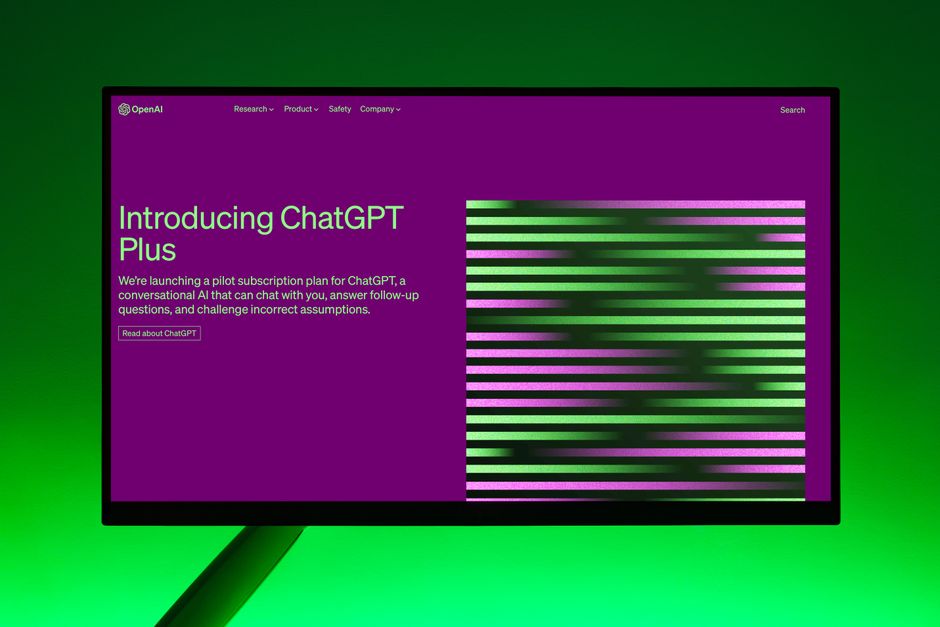
Enter Artificial Intelligence. Specifically, powerful large language models like Google’s Gemini and OpenAI’s ChatGPT are no longer just intriguing chatbots; they are becoming indispensable co-pilots for modern website development, design, and digital marketing. This isn’t about replacing human creativity or expertise, but augmenting it, allowing you to achieve a level of sophistication and efficiency previously reserved for large enterprises. Let’s explore how these AI tools can revolutionize your website’s presence, from its core design to its visibility in Google News.
AI for Smarter Website Design & User Experience (UX)
A beautiful website is only effective if it’s easy to use and understand. AI can significantly enhance your website design and user experience (UX) from the ground up, even if you’re not a seasoned designer.
Streamlining Content Architecture and Wireframing
-
User Persona Development: Provide Gemini or ChatGPT with details about your target audience, business goals, and product/service. Ask it to generate detailed user personas, including their needs, pain points, and digital behaviors. This foundational step ensures your design decisions are user-centric.
-
Sitemap & Navigation Ideas: Based on your personas and content goals, prompt AI to suggest logical website structures, main navigation categories, and sub-pages. It can help you think through intuitive user flows that minimize clicks and maximize engagement.
-
Wireframe Concepts: While AI can’t draw a perfect wireframe yet, it can outline the key sections and content blocks for various page types (homepage, product page, blog post). Describe the purpose of a page and ask AI to suggest the optimal layout for information hierarchy and call-to-actions. For instance, “Suggest a wireframe concept for a SaaS product landing page focusing on conversion.”
Enhancing Accessibility and Responsiveness
-
Accessibility Checks: Describe your website’s elements (e.g., color contrasts, font sizes, image alt text practices) and ask AI for feedback on potential accessibility issues for users with disabilities. It can highlight areas needing improvement based on WCAG guidelines, making your site more inclusive.
-
Mobile-First Design Content: Mobile responsiveness is non-negotiable. Use AI to generate content and layout suggestions optimized for smaller screens, ensuring your message is clear and actionable on any device.
AI for SEO Supercharge: Beyond Basic Keywords
Search Engine Optimization (SEO) is where AI truly shines, transforming tedious tasks into strategic advantages. Gemini and ChatGPT can act as your personal SEO consultant, helping you rank higher and attract more organic traffic.
Comprehensive Keyword and Content Strategy
-
Intent-Based Keyword Research: Go beyond simple keywords. Ask AI to identify long-tail keywords, semantic variations, and user intent clusters related to your core topics. For example, “Generate a list of transactional, informational, and navigational keywords for an online artisanal coffee bean shop.”
-
Content Outlines & Briefs: Provide AI with a target keyword and ask it to generate a detailed content outline, including main headings (H2s), subheadings (H3s), key points to cover, and even suggested internal and external links. This ensures your content is comprehensive and covers all relevant aspects.
-
Optimized Meta Descriptions & Titles: Craft compelling meta descriptions and SEO titles that encourage clicks. AI can generate multiple variations, incorporating target keywords and emotional triggers, all while adhering to character limits.
Technical SEO & On-Page Optimization
-
Schema Markup Generation: Structured data (schema markup) helps search engines understand your content better. Describe your product, event, or review, and ask AI to generate the appropriate JSON-LD schema code. This can be a game-changer for rich snippets.
-
Internal Linking Strategies: Provide AI with a list of your important pages and blog posts. Ask it to suggest relevant internal linking opportunities that improve site navigation and distribute link equity, boosting your overall SEO.
-
Competitor Analysis Insights: Feed AI information about your top competitors and ask it to identify their content gaps, keyword strategies, or areas where their website design excels. This helps you refine your own strategy.
AI for PPC Precision: Smarter Ad Spend
Pay-Per-Click (PPC) campaigns can be expensive. AI helps you get more bang for your buck by optimizing every aspect of your Google Ads and other paid campaigns.
Crafting High-Converting Ad Copy
-
Multiple Ad Copy Variations: Provide AI with your product/service features, target audience, and unique selling propositions. Ask it to generate a dozen different ad headlines and descriptions, experimenting with tone, urgency, and calls-to-action. This fuels your A/B testing efforts.
-
Landing Page Content Optimization: Your ad is only as good as its landing page. Use AI to refine landing page headlines, body copy, and CTAs, ensuring they align perfectly with your ad message and convert visitors into leads or customers.
Targeting & Campaign Optimization
-
Audience Segmentation Ideas: Describe your ideal customer, and AI can suggest various audience segments based on demographics, interests, and behaviors, helping you target your ads more precisely.
-
Negative Keyword Suggestions: Prevent wasted ad spend. Ask AI to brainstorm negative keywords that are irrelevant to your offerings, ensuring your ads only show for genuinely interested searchers.
AI for Google News & Authority: Staying Relevant
For businesses that thrive on timely information and thought leadership, getting featured in Google News or simply staying relevant in a fast-paced world is crucial. AI can be your real-time intelligence hub.
Spotting Trends and Generating Timely Content
-
Trend Analysis: Use AI to monitor news trends and hot topics within your industry. Ask it to identify emerging discussions or recent developments that your audience would find valuable. For example, “What are the top 3 emerging trends in sustainable packaging as of today?”
-
Rapid Content Generation for News: When a relevant news event breaks, speed is key. AI can help you quickly draft news summaries, opinion pieces, or explainers, allowing you to publish timely content and establish your authority as a reliable source. Remember to always fact-check and add human insight.
Building E-E-A-T (Experience, Expertise, Authoritativeness, Trustworthiness)
-
Expert Interview Questions: To enhance E-E-A-T, feature experts. Use AI to generate insightful interview questions for industry leaders, ensuring your content showcases deep expertise.
-
Citation & Source Suggestions: When creating authoritative content, proper sourcing is vital. Ask AI to suggest reputable sources or studies to back up your claims, strengthening your content’s trustworthiness.
The Human Element: AI as Your Co-Pilot, Not Your Pilot
While AI is incredibly powerful, it’s essential to remember that it’s a tool. It excels at processing data, generating ideas, and automating tasks, but it lacks genuine creativity, empathy, and critical judgment. Always apply a human touch:
-
Fact-Check Everything: AI can sometimes “hallucinate” or provide outdated information. Always verify facts, statistics, and sources.
-
Refine and Personalize: AI-generated content can be a great starting point, but it often needs human refinement to match your brand’s voice, inject unique insights, and resonate authentically with your audience.
-
Ethical Considerations: Use AI responsibly. Be transparent when AI has assisted in content creation, and ensure your use of AI aligns with ethical guidelines and Google’s policies on AI-generated content (which emphasizes usefulness and quality).
Frequently Asked Questions (FAQ)
Q: Is AI going to replace web developers, designers, or SEO specialists?
A: Not entirely. AI is a powerful assistant that automates repetitive tasks and provides data-driven insights. It augments human capabilities, allowing professionals to focus on higher-level strategy, creativity, and problem-solving. The job landscape will evolve, favoring those who can effectively leverage AI tools.
Q: How much does it cost to integrate AI into my website development or marketing?
A: This varies widely. Basic access to tools like ChatGPT (free tier) or Gemini (free tier) costs nothing, offering significant value. Paid versions (e.g., ChatGPT Plus, Google AI Studio) offer more features and higher usage limits for a monthly subscription. For custom AI integrations or advanced AI-powered platforms, costs can range from hundreds to thousands of dollars depending on complexity and scale.
Q: Can AI help with technical SEO issues like site speed or broken links?
A: While AI can’t directly fix code or server issues, it can certainly help identify and prioritize them. You can feed AI a list of technical SEO issues (e.g., from a Google Search Console report) and ask it to explain the potential impact, suggest solutions, or even generate code snippets for common fixes (like redirects or schema markup). However, implementing these fixes still requires human technical expertise.
Q: What’s the best way to start using Gemini or ChatGPT for my website?
A: Start small and experiment. Pick one area where you feel overwhelmed, like generating blog post ideas, writing meta descriptions, or brainstorming ad copy. Use the free versions of Gemini or ChatGPT to generate ideas and content. As you get comfortable, gradually integrate AI into more aspects of your workflow. Focus on using AI as a brainstorming partner and efficiency booster.
Q: How can I ensure AI-generated content is unique and not penalized by Google?
A: Google’s stance is clear: content quality and helpfulness are paramount, regardless of how it’s produced. To ensure your AI-assisted content is unique and avoids penalties:
-
Always Edit and Humanize: Never publish raw AI output. Inject your unique voice, add personal anecdotes, and refine the language.
-
Add Original Research & Insights: Supplement AI-generated frameworks with your own data, expert opinions, and unique perspectives.
-
Fact-Check Thoroughly: Verify all information to prevent inaccuracies.
-
Focus on E-E-A-T: Demonstrate Experience, Expertise, Authoritativeness, and Trustworthiness. AI can help structure this, but the actual E-E-A-T comes from your brand and human input.
Conclusion
The era of AI as a niche technology is over. Gemini and ChatGPT are democratizing advanced capabilities, making sophisticated website development,