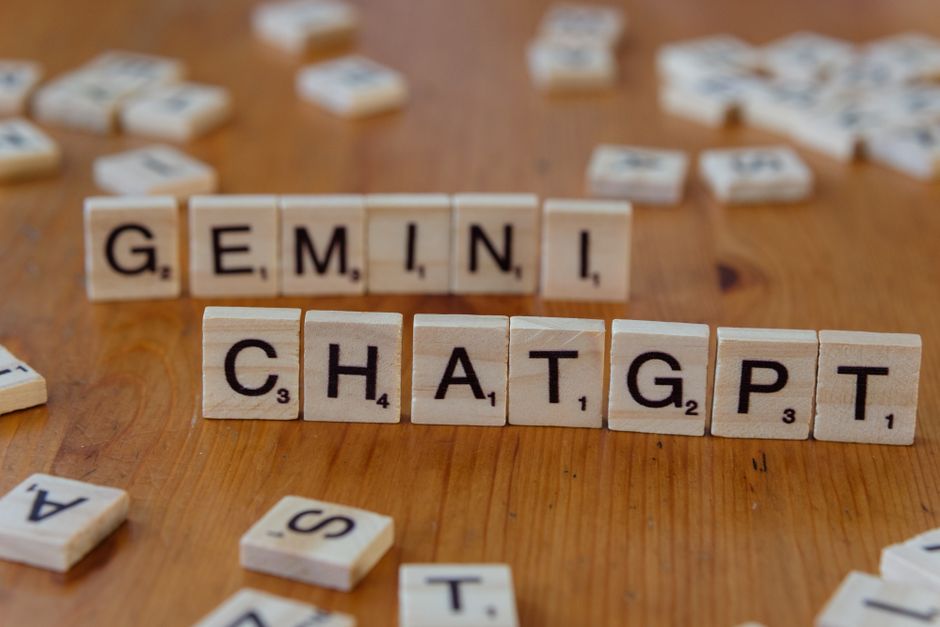
The internet is awash with talk about AI. From chatbots that can write poetry to image generators that conjure fantastical beasts, it’s easy to get caught up in the hype. But for business owners and marketers, the question isn’t just “Can AI do this?” It’s “Can AI help me make more money from my website?” For those in the world of website development and website design, the answer is a resounding yes, but perhaps not in the ways you’ve been led to believe.
Forget the sci-fi fantasies for a moment. Let’s talk practical. Tools like Google’s Gemini and OpenAI’s ChatGPT are powerful assistants. They can streamline processes, spark creativity, and even offer insights that can directly impact your bottom line, especially when it comes to SEO, Pay Per Click (PPC) campaigns, and even getting your content noticed by platforms like Google News.
Unlocking Website Potential: AI as Your Smartest Team Member
Think of AI as an incredibly efficient intern who never sleeps, never complains, and has access to a vast library of information. In the context of your website, this “intern” can help you in tangible ways:
1. Supercharging Content Creation for SEO and Beyond
The perennial challenge of content marketing is producing high-quality, relevant content consistently. This is where AI truly shines. While AI won’t replace human creativity entirely, it can be an invaluable partner.
- Brainstorming Blog Post Ideas: Stuck for topics? Feed Gemini or ChatGPT your niche keywords and ask for blog post ideas that target specific user intents. For example, instead of asking for “SEO tips,” try “Blog post ideas for small business owners struggling with local SEO and mobile-first indexing.”
- Drafting Initial Content: AI can generate first drafts of articles, product descriptions, or even website copy. This saves an enormous amount of time. You then step in to refine, fact-check, add your unique voice, and ensure it aligns perfectly with your brand.
- Improving Readability and Tone: AI can analyze your existing content and suggest ways to make it more engaging, easier to understand, and better suited to your target audience. It can help you adjust your tone from overly technical to more conversational, or vice-versa.
- Keyword Research Assistance: While dedicated SEO tools are essential, AI can offer a fresh perspective. Ask it to identify long-tail keywords related to a specific topic or to suggest related search queries that users might be asking.
2. Optimizing Your Website Design for User Experience (UX) and Conversions
Website design is more than just making things look pretty. It’s about creating an intuitive, user-friendly experience that guides visitors towards a desired action. AI can assist here too:
- A/B Testing Ideas: Struggling with what elements to test on your landing pages? Ask AI for suggestions on headline variations, call-to-action button text, or image placements that could improve conversion rates.
- Persona Development: Understanding your ideal customer is crucial for effective design. AI can help you flesh out detailed user personas based on provided demographics and interests, informing your design choices.
- Content Hierarchy and Navigation Suggestions: Based on common user behavior patterns, AI can offer insights into how to structure your website content and navigation for maximum clarity and efficiency.
3. Enhancing Pay Per Click (PPC) Campaigns for Better ROI
PPC advertising, like Google Ads, can be a significant investment. AI can help you get more bang for your buck:
- Ad Copy Generation: Crafting compelling ad copy that resonates with potential customers is an art. AI can generate multiple ad variations quickly, allowing you to test which ones perform best. Specify your target audience and offer to get more tailored suggestions.
- Keyword Expansion: AI can suggest new keyword ideas for your campaigns, including negative keywords to prevent wasted ad spend on irrelevant searches.
- Audience Targeting Refinement: By analyzing trends and user behavior data (when integrated with appropriate platforms), AI can help you identify and refine your target audiences, ensuring your ads are shown to the most receptive individuals.
4. Navigating the Complexities of Google News and Content Visibility
Getting your content featured on Google News can provide a significant traffic boost and enhance your website’s authority. While editorial judgment is key, AI can still play a supporting role:
- Identifying Newsworthy Angles: If you have unique data, research, or insights, AI can help you frame them in a way that is more likely to be considered newsworthy. Ask it to suggest headlines that are both informative and attention-grabbing.
- Ensuring Compliance with Guidelines: While AI can’t guarantee inclusion, it can help you structure your content to meet the general guidelines for Google News, such as providing clear authorship, publication dates, and factual accuracy.
- Content Summarization: AI can help create concise summaries of your longer articles, which can be useful for social media promotion or for creating snippets that might catch the eye of editors.
Practical Tips for Integrating AI into Your Workflow
The key to leveraging AI effectively is to see it as a tool, not a replacement. Here’s how to get started:
- Start Small and Experiment: Don’t try to overhaul your entire workflow at once. Pick one area, like drafting blog post introductions, and see how AI can help.
- Be Specific with Your Prompts: The quality of AI output directly depends on the quality of your input. The more detailed and contextual your prompts, the better the results.
- Always Review and Edit: AI-generated content is a starting point. Human oversight is crucial for accuracy, originality, brand voice, and strategic alignment.
- Focus on Augmentation, Not Automation: Use AI to augment your skills and free up your time for higher-level strategic thinking and creative input.
- Understand the Limitations: AI can sometimes generate incorrect information or biased content. Always fact-check and critically evaluate its output.
- Stay Updated: The AI landscape is evolving rapidly. Keep an eye on new tools and features that can further enhance your website development and marketing efforts.
Frequently Asked Questions (FAQ)
Is AI going to replace website developers and designers?
No, not entirely. AI can automate many repetitive tasks and assist with design elements, but the strategic thinking, creative problem-solving, understanding of human psychology, and client communication that developers and designers bring are irreplaceable. AI is more likely to become a powerful co-pilot.
Can AI guarantee my website will rank on Google News?
No, AI cannot guarantee inclusion on Google News. Google News has strict editorial guidelines and relies on human editors to curate content. AI can help you create content that is more likely to meet those guidelines, but it’s not a direct path to publication.
How can I ensure my AI-generated content is unique and not plagiarized?
While AI models are trained on vast datasets, they generate original combinations of information. However, it’s always good practice to use plagiarism checkers on any AI-generated content before publishing, especially if you’re concerned about originality. More importantly, your human editing and refinement process will naturally inject your unique perspective.
What’s the difference between Gemini and ChatGPT for website development tasks?
Both are powerful large language models. Gemini, being developed by Google, might have a slight edge in understanding Google’s ecosystem and search algorithms. ChatGPT is a highly versatile tool known for its creative writing and conversational abilities. The best approach is to experiment with both to see which one best suits your specific needs and prompts.
How can AI help with my Pay Per Click (PPC) budget?
AI can help optimize your PPC budget by improving ad copy relevance, identifying more precise audience targeting, suggesting negative keywords to avoid wasted spend, and potentially identifying underperforming ad groups or keywords more efficiently, leading to a better Return on Ad Spend (ROAS).
Conclusion
The integration of AI tools like Gemini and ChatGPT into website development, design, SEO, and marketing strategies is no longer a futuristic concept; it’s a present-day opportunity. By embracing these technologies as intelligent assistants, you can streamline your workflows, enhance your creative output, and ultimately drive better results for your website. The key is to approach AI with a practical mindset, focusing on how it can augment your existing skills and empower you to achieve your business goals more effectively. It’s time to move beyond the buzz and harness the real, tangible power of AI for your website’s success.