
Remember when building a website felt like assembling a complicated jigsaw puzzle blindfolded? Or when optimizing it for search engines was a dark art only accessible to a select few? The digital landscape evolves at lightning speed, and keeping up can feel like a full-time job in itself. From crafting compelling designs to ranking high on Google and running effective ad campaigns, the demands on businesses and marketers are immense.
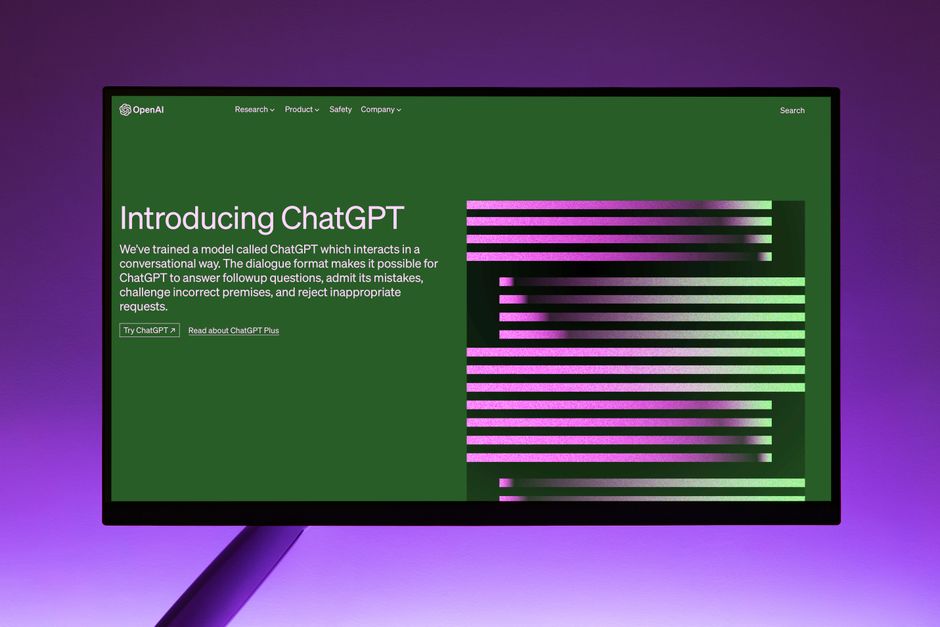
But what if you had an intelligent co-pilot, a digital assistant that could streamline these complex tasks, spark creativity, and even predict trends? Welcome to the era of the AI-powered website. With tools like Google’s Gemini and OpenAI’s ChatGPT, the way we approach website development, design, SEO, and even Pay-Per-Click (PPC) advertising is undergoing a profound transformation. This isn’t about replacing human ingenuity; it’s about augmenting it, enabling you to build, optimize, and market your online presence with unprecedented speed and intelligence.
This article will guide you through practical, actionable ways to leverage AI to not just keep pace, but to lead the charge in creating a website that’s not only beautiful and functional but also a powerful engine for growth and discoverability, even in the competitive landscape of Google News. Forget the old ways; let’s build for 2026 and beyond.
Your Website’s AI Co-Pilot: Practical Applications for 2026
Integrating AI into your website strategy isn’t about handing over the reins entirely; it’s about empowering your team (or yourself) with superhuman capabilities. Here’s how Gemini and ChatGPT can serve as your ultimate digital co-pilots across key areas:
Phase 1: AI for Website Strategy & Planning
Before a single line of code is written or a pixel is placed, a solid strategy is paramount. AI can accelerate this foundational phase, turning weeks of research into hours of actionable insights.
- Audience & Niche Analysis:
- How AI Helps: Prompt Gemini or ChatGPT with questions like, “Analyze the top 5 competitors in [your industry/niche] and identify common pain points their customers express online. Suggest unique angles for my website to address these.” Or, “Generate 3 detailed customer personas for a target audience interested in [your product/service], including demographics, motivations, and online behaviors.”
- Benefit: Quickly gain deep insights into your market, allowing you to tailor your website’s content, design, and offerings to resonate directly with your ideal customers.
- Content Strategy & Idea Generation:
- How AI Helps: Ask, “Brainstorm 10 blog post topics for a website selling [type of product] to [target audience], focusing on solving common problems.” Or, “Outline a content calendar for the next quarter, including evergreen topics and timely trends relevant to [your industry].” You can even ask for unique headline ideas that grab attention.
- Benefit: Overcome writer’s block and ensure your content strategy is robust, diverse, and aligned with user intent, laying the groundwork for strong SEO and potential Google News visibility.
Phase 2: AI in Website Design & Development
While AI won’t design your entire site from scratch (yet!), it can be an invaluable assistant in refining user experience (UX), generating design ideas, and even helping with basic code snippets.
- UX/UI Brainstorming & Feedback:
- How AI Helps: Describe your website’s purpose and target audience, then ask, “Suggest 3 modern color palettes that evoke [desired emotion, e.g., trustworthiness, innovation] for a [industry] website.” Or, “Provide 5 compelling call-to-action button texts for a ‘Request a Demo’ page, targeting B2B clients.” You can even feed it a description of your current design and ask for UX improvement suggestions.
- Benefit: Get instant design inspiration and user experience best practices, helping you create an intuitive, visually appealing, and conversion-focused website.
- Content Structure & Layout:
- How AI Helps: “Generate a basic HTML structure for a product page with a hero image, description, features list, and customer reviews section.” Or, “Suggest a logical flow for a service page that explains [your service] from problem to solution.”
- Benefit: Speed up the initial development phase by getting foundational code or structural suggestions, allowing developers to focus on customization and advanced features.
Phase 3: AI for Content Creation & SEO Optimization
This is where AI truly shines, not just in generating text, but in optimizing it for search engines and ensuring it meets the high standards for discoverability, including potential inclusion in Google News.
- Keyword Research & Intent Mapping:
- How AI Helps: “List 15 long-tail keywords related to [your main topic] that have high commercial intent and relatively low competition.” Or, “For the keyword ‘[keyword]’, identify the different types of user intent (informational, navigational, transactional) and suggest content formats for each.”
- Benefit: Uncover valuable keywords and understand the user’s journey, allowing you to create highly targeted content that ranks and converts.
- Content Generation & Enhancement:
- How AI Helps: While AI can draft articles, the real power lies in using it to *enhance* human-written content. Ask, “Expand on this paragraph about [topic], adding more detail and examples.” Or, “Rewrite this section to be more engaging and persuasive for [target audience].” “Generate a compelling meta description and title tag for a blog post about [topic], targeting [primary keyword].” You can also use it to suggest schema markup for specific content types.
- Benefit: Accelerate content production, ensure SEO best practices are met, and refine your messaging for clarity and impact. Remember: always fact-check and human-edit AI-generated content for accuracy, originality, and E-E-A-T (Experience, Expertise, Authoritativeness, Trustworthiness) – crucial for Google News.
- Technical SEO Support:
- How AI Helps: “Suggest 5 common technical SEO issues for e-commerce sites and how to fix them.” Or, “Provide a robots.txt file example to disallow crawling of [specific pages].”
- Benefit: Get quick answers and guidance on technical SEO aspects, helping you maintain a healthy, crawlable website.
Phase 4: AI for PPC & Marketing Campaigns
AI can transform your paid advertising efforts, making them more targeted, efficient, and cost-effective.
- Ad Copy & Creative Ideas:
- How AI Helps: “Generate 5 variations of a Google Ad headline and description for [your product/service], focusing on the benefit of [specific feature].” Or, “Suggest 3 pain points that [target audience] experiences, which I can use in my ad copy to resonate with them.”
- Benefit: Rapidly test different ad angles, create highly relevant ad copy, and improve your click-through rates (CTR) and conversion rates.
- Landing Page Optimization:
- How AI Helps: “Draft hero section copy for a landing page promoting [your offer], emphasizing urgency and value.” Or, “Suggest 3 A/B testing ideas for a landing page to improve its conversion rate for [specific goal].”
- Benefit: Ensure your landing pages are perfectly aligned with your ad campaigns, maximizing the return on your ad spend.