
In today’s bustling digital landscape, simply having a website isn’t enough. You need a digital storefront that not only looks good but also performs, connects with your audience, and stands out in a sea of online noise. Traditionally, building such a website could be a daunting, time-consuming, and often expensive endeavor, requiring expertise in everything from design and development to SEO and content creation.
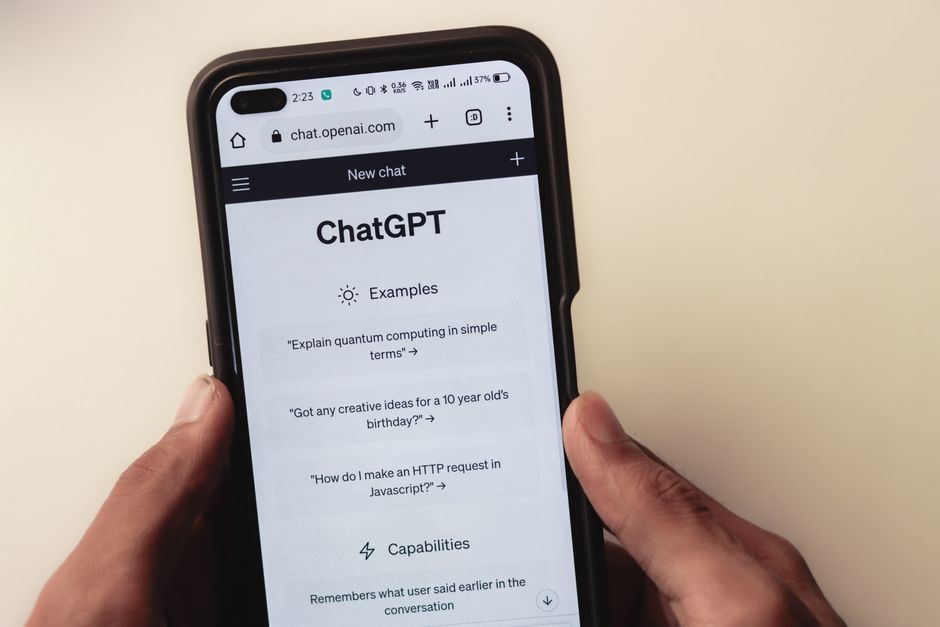
But what if you had a brilliant co-pilot? A tireless assistant ready to brainstorm, draft, optimize, and even analyze? Enter the world of AI, with tools like Gemini and ChatGPT leading the charge. These aren’t just chatbots; they are game-changers, offering unprecedented efficiency and innovative pathways for anyone looking to build or revamp a website.
This article isn’t about replacing human creativity with robots. It’s about empowering it. We’ll explore how to leverage AI as your smartest strategic partner to architect a website that’s not only technically sound and optimized for search engines but also resonates deeply with your human audience, fosters genuine connection, and ultimately drives your online success. Get ready to transform your approach to website development and design, making it smarter, faster, and more effective than ever before.
Your Website’s Smartest Co-Pilot: Practical AI Strategies
Integrating AI into your website development and marketing workflow isn’t just a trend; it’s a strategic advantage. Here’s how to harness the power of Gemini, ChatGPT, and other AI tools to build a website that truly performs.
1. AI for Initial Brainstorming & Content Blueprinting
Before you even touch a line of code or a design template, AI can be your ultimate brainstorming partner. Instead of staring at a blank screen, use Gemini or ChatGPT to kickstart your creative process:
- Sitemap & User Flow Ideas: Ask AI to suggest logical sitemaps for your specific niche (e.g., “Suggest a sitemap for a local bakery website focusing on online orders”). It can help you think through essential pages and user journeys.
- Audience Persona Development: Prompt AI to create detailed user personas based on your target demographic. This helps you understand your audience’s needs, pain points, and motivations, informing your design and content choices.
- Initial Content Outlines: Need a blog post about “sustainable gardening tips”? Ask AI for an outline, key subheadings, and even potential FAQs. This gives you a solid structure to build upon, saving hours of initial research.
- Headline & Call-to-Action (CTA) Generation: Struggle with catchy headlines or compelling CTAs? AI can generate dozens of variations in seconds, allowing you to pick the most impactful ones for your landing pages and articles.
Human Touchpoint: AI provides the clay; you sculpt the masterpiece. Always review, refine, and infuse your unique brand voice and insights into AI-generated ideas. Authenticity is non-negotiable.
2. Streamlining Website Design & User Experience (UX) with AI Insights
While AI won’t replace a skilled web designer, it can significantly enhance the design process and improve UX decisions.
- Design Inspiration & Trend Analysis: Ask AI to summarize current web design trends for your industry or suggest color palettes and font pairings that evoke specific emotions.
- Wireframe & Layout Suggestions: Describe your page’s purpose, and AI can suggest common, effective layout structures or even rudimentary HTML/CSS snippets for specific elements (e.g., “Suggest a clean hero section layout for an e-commerce product page”).
- Accessibility Checks: Some AI tools or plugins can help identify potential accessibility issues in your design or content, ensuring your website is usable for everyone.
- User Journey Optimization: Based on your user personas, AI can help you map out intuitive user journeys, suggesting where to place critical information or CTAs for maximum effectiveness.
Human Touchpoint: Aesthetics, brand identity, and intuitive navigation are still best guided by human designers who understand nuance, emotion, and visual hierarchy. Use AI as a powerful assistant, not a replacement for creative vision.
3. Supercharging Your SEO Strategy with AI
This is where AI truly shines, transforming complex SEO tasks into manageable, efficient processes.
- Advanced Keyword Research: Beyond basic keywords, AI can help identify long-tail keywords, semantic variations, and questions your audience is asking. Prompt it with your topic, and ask for related keywords, competitor keywords, and search intent analysis.
- Meta Description & Title Tag Optimization: Give AI your target keyword and content summary, and it can generate multiple compelling, character-optimized meta descriptions and title tags designed to improve click-through rates.
- Content Optimization: AI can analyze your drafted content for readability, keyword density (without keyword stuffing), topic coverage, and suggest areas for expansion to make your articles more comprehensive and authoritative.
- Internal Linking Suggestions: Based on your website’s existing content, AI can suggest relevant internal links to improve site architecture and distribute “link juice,” boosting your SEO.
- Schema Markup Generation: For specific content types (recipes, events, reviews), AI can help generate basic schema markup code, making your content more understandable to search engines and potentially earning rich snippets.
Human Touchpoint: While AI excels at data processing and pattern recognition, it doesn’t understand the evolving intent behind search queries or the nuances of E-E-A-T (Experience, Expertise, Authoritativeness, Trustworthiness) like a human expert. Always review AI suggestions through the lens of genuine value and user intent.
4. Crafting Compelling Ad Copy & PPC Campaigns (AI-Assisted)
Pay-Per-Click (PPC) campaigns thrive on sharp, concise, and persuasive ad copy. AI can give you a significant edge here.
- Ad Headline & Description Variations: Provide AI with your product/service details and target audience, and it can generate a multitude of compelling ad headlines and descriptions tailored for Google Ads or social media platforms.
- Audience Targeting Ideas: AI can help you brainstorm specific demographic, interest-based, or behavioral targeting options for your PPC campaigns, uncovering segments you might have overlooked.
- Landing Page Optimization Suggestions: Describe your ad copy and target audience, and AI can offer suggestions for optimizing your landing page content to ensure message match and improve conversion rates.
- A/B Testing Ideas: AI can suggest different angles or value propositions to test in your ad copy, helping you identify what resonates most with your audience.
Human Touchpoint: AI can generate copy, but human marketers are essential for strategic campaign planning, budget allocation, performance monitoring, and understanding the psychological triggers that drive conversions. AI optimizes, humans strategize.
5. Getting Noticed on Google News (Content Strategy with AI)
For websites aiming for broader reach and authority, getting featured on Google News can be a game-changer. AI can support your content strategy to achieve this.
- Trending Topic Identification: Use AI to identify current trending topics relevant to your niche that could form the basis of a news-worthy article.
- News Article Structuring: AI can help you structure articles in a journalistic style, ensuring clarity, conciseness, and adherence to common news formats (e.g., inverted pyramid).
- Fact-Checking & Source Suggestions: While AI can’t *guarantee* factual accuracy, it can help you quickly find reputable sources to verify information, crucial for news content.
- Repurposing Content: Transform existing blog posts into shorter, more news-focused summaries or create different angles for a single piece of news to appeal to various segments.
Human Touchpoint: Google News prioritizes original reporting, authoritative sources, and human editorial oversight. AI is a research and drafting tool; the responsibility for factual accuracy, journalistic integrity, and unique insights remains entirely with the human author.
6. Maintaining Authenticity & Brand Voice
This is perhaps the most critical “human touchpoint.” While AI can generate vast amounts of content, it lacks genuine emotion, personal experience, and a unique brand voice.
- Develop Clear Brand Guidelines: Before using AI, define your brand’s tone, personality, and key messaging. This gives AI a framework to work within.
- Edit, Edit, Edit: Never publish AI-generated content verbatim. Always review, revise, and infuse your unique personality, stories, and expertise. This ensures your content sounds human, not robotic.
- Focus on Unique Value: Use AI for efficiency in routine tasks, freeing up your time to focus on creating truly original, insightful, and experience-driven content that only you can provide.
Your website is an extension of your brand and your story. AI should amplify that story, not dilute it.
Frequently Asked Questions About AI-Enhanced Website Development
Q1: Can AI build my entire website for me?
A: While AI can generate code snippets, content, and design ideas, it cannot replace the strategic thinking, creative vision, and nuanced decision-making required for a truly effective, human-centric website. Think of AI as your powerful co-pilot, not the pilot itself.
Q2: Will using AI hurt my SEO?
A: No, not if used correctly. Google’s guidelines emphasize helpful, reliable, people-first content. If you use AI to generate low-quality, unedited, or spammy content, it will harm your SEO. If you use AI as a tool to research, draft, and optimize high-quality, human-reviewed content, it can significantly boost your SEO efforts.
Q3: Which AI tool is better, Gemini or ChatGPT, for website tasks?
A: Both Gemini and ChatGPT are powerful large language models with similar capabilities in content generation, brainstorming, and code assistance. The “better” tool often comes down to personal preference, specific feature sets (e.g., Gemini’s multimodal capabilities), and the context of the task. Many professionals use both, leveraging their
