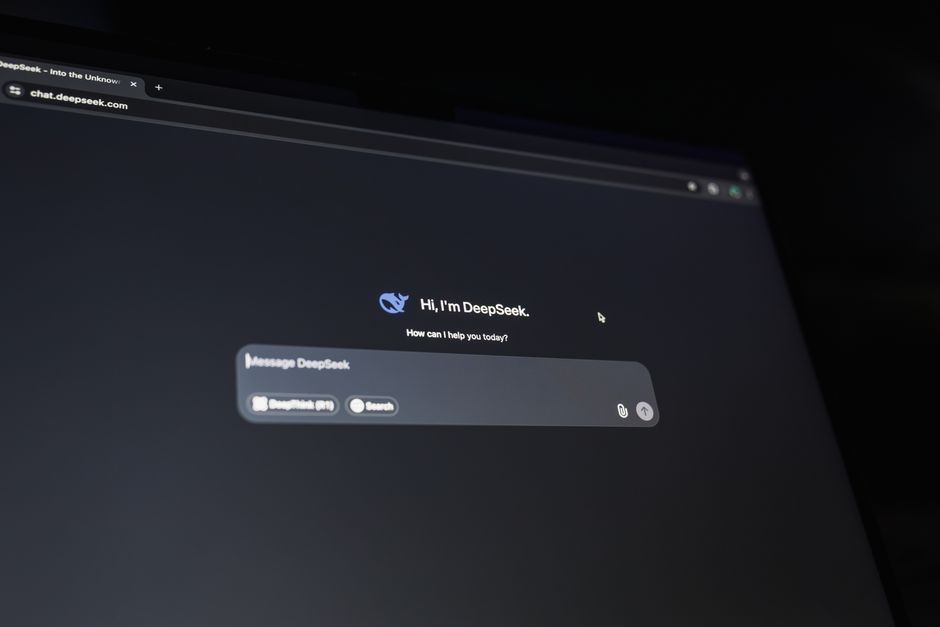
The world of website development and design is in constant motion. We’ve seen trends come and go, from minimalist aesthetics to bold, animated intros. But lately, a new wave of innovation is crashing onto the shores of our digital landscape: Artificial Intelligence (AI) assistants. You’ve likely heard of giants like ChatGPT and Google’s own Gemini, and while the hype often focuses on their conversational abilities, their true power for website developers and designers lies in their practical, behind-the-scenes applications. Forget the sci-fi scenarios; let’s talk about how these tools can genuinely streamline your workflow, boost your SEO efforts, and even inform your Pay-Per-Click (PPC) strategies, all without repeating the same old “AI will replace you” narrative.
Unlocking Efficiency: AI as Your Development Sidekick
For years, developers and designers have juggled countless tasks, from initial concept sketching to meticulous code debugging and content creation. AI assistants are stepping in not to replace human ingenuity, but to augment it, freeing up valuable time for more creative and strategic thinking. Think of them as incredibly fast, knowledgeable interns who never sleep.
1. Supercharging Content Creation and Ideation
One of the most time-consuming aspects of website development is content. Whether it’s website copy, blog posts, or even meta descriptions, generating fresh, engaging, and SEO-optimized text can be a bottleneck. AI assistants excel here.
- Brainstorming Blog Post Ideas: Stuck on what to write about next? Prompt an AI with your niche and target audience. For example, “Generate 10 blog post titles about sustainable web design for small businesses, focusing on practical tips for 2026.”
- Drafting Website Copy: Need to write an “About Us” page or product descriptions? Provide the AI with key information about your business and its unique selling propositions. You can then refine and personalize the generated text.
- Crafting Meta Descriptions and Titles: SEO is crucial, and these small snippets have a big impact. Ask AI to generate multiple variations of meta titles and descriptions for a specific page, ensuring they include relevant keywords and entice clicks. For instance, “Write 5 meta descriptions for a page selling handmade leather wallets, emphasizing durability and craftsmanship.”
- Generating FAQs: Anticipating user questions is key for user experience and SEO. AI can help you brainstorm and draft answers to frequently asked questions related to your website’s content or services.
2. Accelerating the Design Process
While AI won’t be designing your next award-winning website from scratch anytime soon, it can significantly speed up certain design-related tasks.
- Color Palette Generation: Need inspiration for a color scheme? Describe the mood or brand identity you’re aiming for, and AI can suggest harmonious palettes. “Suggest a modern, professional color palette for a financial consulting website, evoking trust and stability.”
- Icon and Illustration Ideas: If you’re looking for visual elements, AI can generate descriptions or even basic visual concepts that you can then take to a graphic designer or use as inspiration for your own creations.
- Wireframing Assistance: While not creating full wireframes, AI can help you outline the structure of a page or a user flow by generating a logical sequence of content blocks based on your input.
3. Enhancing Development and Debugging
For developers, AI can be an invaluable tool for writing cleaner code, finding errors, and understanding complex functionalities.
- Code Snippet Generation: Need a specific JavaScript function or a CSS snippet? AI can often provide well-structured code examples that you can adapt. “Generate a JavaScript function to validate an email address in a form.”
- Code Explanation: Encountering unfamiliar code? Paste it into the AI and ask for an explanation of its purpose and how it works.
- Debugging Assistance: While AI won’t magically fix all bugs, it can help identify potential issues or suggest solutions based on error messages. “I’m getting a ‘404 Not Found’ error on this PHP script. What are common causes and how can I troubleshoot it?”
- Learning New Technologies: Exploring a new framework or library? AI can provide concise explanations, code examples, and even help you understand best practices.
Integrating AI into Your SEO and PPC Strategy
The impact of AI extends beyond the development phase, offering powerful insights for your Search Engine Optimization (SEO) and Pay-Per-Click (PPC) campaigns. This is where tools like Gemini and ChatGPT can truly shine by analyzing data and generating strategic recommendations.
Leveraging AI for Smarter SEO
SEO is an ever-evolving field, and AI assistants can help you stay ahead of the curve.
- Keyword Research Enhancement: While traditional tools are still vital, AI can help you uncover long-tail keywords, understand user intent behind search queries, and suggest related topics you might have missed. Ask: “What are users searching for when they look for ‘eco-friendly packaging solutions’?”
- Content Optimization: Beyond just writing content, AI can analyze existing content for SEO effectiveness, suggest improvements for readability, keyword density, and internal linking.
- Competitor Analysis Insights: While AI doesn’t browse live websites in real-time like a human, it can process vast amounts of information to help you understand competitor strategies based on publicly available data. You can ask it to summarize common themes in content from top-ranking sites for a specific keyword.
- Understanding Google News Trends: For businesses that can leverage Google News, AI can help you identify trending topics within your niche that you can create timely content around. Ask: “What are the current top news stories related to renewable energy adoption in Europe?” This can inform your content calendar and provide opportunities for timely SEO boosts.
Optimizing Your Pay-Per-Click Campaigns with AI
PPC campaigns require constant monitoring and optimization. AI can be a powerful ally in making your ad spend more efficient.
- Ad Copywriting: AI can generate multiple variations of ad headlines and descriptions, A/B testing them internally before you deploy them. You can also ask it to tailor ad copy to specific audience segments. “Write 3 Google Ads headlines for a service offering custom website development for startups, emphasizing affordability and speed.”
- Audience Segmentation Ideas: Based on descriptions of your product or service, AI can suggest potential audience segments for your PPC campaigns, helping you refine targeting.
- Keyword Expansion for PPC: AI can suggest new keyword ideas for your PPC campaigns based on your existing ones and your business goals, helping you reach a wider, relevant audience.
- Analyzing Campaign Performance (with data input): While AI can’t directly access your ad accounts, you can feed it anonymized performance data (e.g., click-through rates, conversion rates for specific ad groups) and ask for insights or suggestions for improvement.
The Human Element Remains Paramount
It’s crucial to reiterate that AI assistants are tools, not replacements. The creativity, strategic thinking, ethical considerations, and nuanced understanding of human emotion that a skilled developer or designer brings are irreplaceable. AI can draft, suggest, and analyze, but the final vision, the unique brand voice, and the user-centric experience are still very much in the hands of humans.
Frequently Asked Questions
Q1: Will AI replace website developers and designers?
No, AI is unlikely to replace human professionals entirely. Instead, it will augment their capabilities, automate repetitive tasks, and allow them to focus on higher-level creative and strategic work. The demand for skilled human oversight, problem-solving, and creative direction will remain strong.
Q2: How can I start using AI in my website development workflow?
Start small! Experiment with free versions of AI assistants like ChatGPT or Gemini for specific tasks like brainstorming content ideas, drafting ad copy, or generating code snippets. As you become more comfortable, you can explore more advanced applications and paid tools.
Q3: Is the content generated by AI always accurate or SEO-friendly?
AI-generated content should always be reviewed and edited by a human. While AI is powerful, it can sometimes produce inaccurate information or content that isn’t perfectly optimized for SEO. Human expertise is needed to ensure accuracy, brand consistency, and strategic SEO alignment.
Q4: How can AI help with understanding Google News for SEO?
AI can analyze current events and trending topics relevant to your niche that appear on Google News. This information can help you create timely, relevant content that has a higher chance of being featured and driving organic traffic. You can ask AI to summarize trending news in your industry.
Q5: What are the limitations of using AI for PPC?
AI cannot directly access your ad platform accounts to make real-time adjustments. It also lacks the nuanced understanding of brand voice and the emotional connection that a human advertiser can build into their campaigns. Human oversight is essential for strategic decision-making and ethical considerations in PPC.
Conclusion
The integration of AI assistants like Gemini and ChatGPT into website development and design is not a future concept; it’s a present reality that offers tangible benefits. By embracing these tools strategically, developers and designers can unlock new levels of efficiency, enhance their creative output, and refine their SEO and PPC strategies. The key is to view AI not as a threat, but as a powerful collaborator that empowers us to build better, more effective websites. So, go ahead, start experimenting, and discover how AI can quietly revolutionize your workflow, one prompt at a time.