
In the rapidly evolving digital landscape, simply having a website isn’t enough. To truly stand out, capture attention, and drive business growth, your online presence needs to be meticulously crafted for visibility, engagement, and conversion. This means a strategic approach to website development and website design that inherently understands the demands of modern search engines, particularly for high-stakes visibility channels like Google News and the competitive arena of Pay-Per-Click (PPC) advertising.
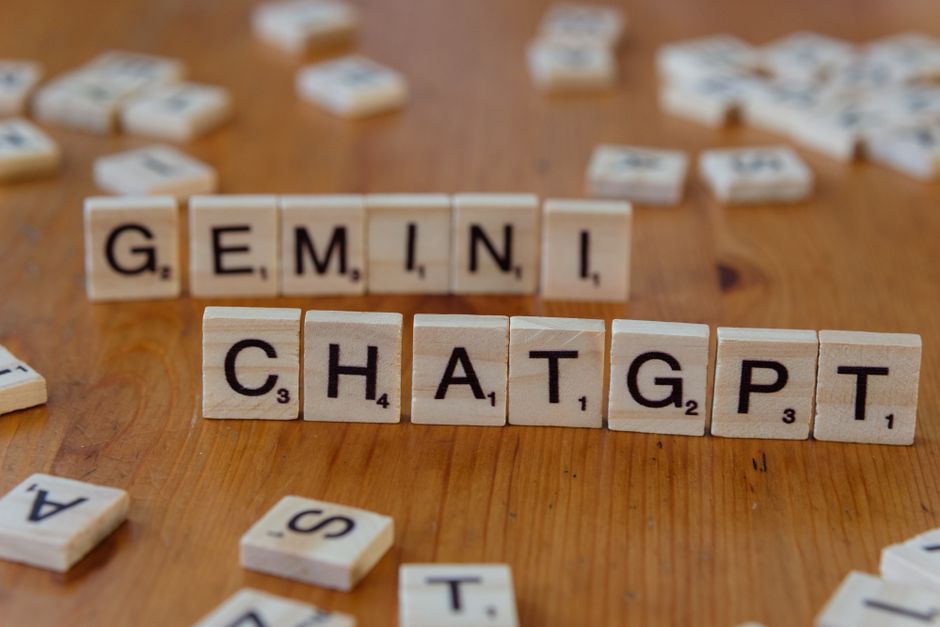
Enter the game-changer: Artificial Intelligence. While tools like Gemini and ChatGPT have already transformed content creation, their true potential extends far beyond. They are becoming indispensable co-pilots in the entire website development lifecycle, helping businesses build not just functional sites, but genuine “powerhouses” optimized from day one for top-tier SEO, Google News inclusion, and high-performing PPC campaigns. This isn’t about replacing human expertise, but augmenting it, making the process faster, smarter, and more effective. Let’s explore how AI is revolutionizing the way we build websites.
The AI Co-Pilot in Website Development
Beyond Basic Content Generation: A Strategic Shift
Many discussions around AI in web development stop at using it to write blog posts or product descriptions. While valuable, this misses the bigger picture. Gemini and ChatGPT, with their advanced natural language processing and reasoning capabilities, can act as strategic consultants, helping shape the very foundation of your website. They can analyze vast datasets, identify trends, and even predict user behavior, guiding design and development choices that lead to better outcomes.
Phase 1: AI for Foundational Strategy & Design
Before a single line of code is written or a pixel placed, AI can provide invaluable insights that lay the groundwork for a successful site.
- User Persona & Journey Mapping: Feed AI your target audience demographics, pain points, and goals. Gemini or ChatGPT can then generate detailed user personas and map out their potential journeys on your site, highlighting key touchpoints and potential conversion paths. This helps you design an intuitive and engaging user experience (UX) from the outset.
- Content Structure & Information Architecture: Based on your business goals and target keywords, AI can suggest optimal website structures, navigation menus, and content hierarchies. It can identify gaps in your proposed content and recommend categories and topics that will resonate with your audience and support your SEO objectives.
- Wireframing & UI/UX Principles: While AI won’t draw your wireframes (yet!), it can provide detailed textual descriptions and recommendations for UI elements, layout principles, and accessibility best practices based on industry standards and user research. You can prompt it for “best practices for a high-converting e-commerce product page layout” or “accessible color palettes for a financial services website.”
Phase 2: AI for SEO & Google News Optimization from Day One
Integrating SEO and Google News readiness isn’t an afterthought; it’s baked into the development process with AI’s help.
- Keyword Research & Content Briefs: ChatGPT or Gemini can perform comprehensive keyword research, identifying high-volume, low-competition keywords relevant to your niche. More importantly, they can then generate detailed content briefs for each page, including target keywords, semantic keywords, competitor analysis, suggested headings, and even an outline for the content, ensuring every page is optimized for search engines before it’s even written.
- Schema Markup & Structured Data: This is critical for SEO and Google News. AI can generate accurate schema markup (e.g., Article, NewsArticle, Organization, Product schema) tailored to your content. Simply provide the details of your page, and AI can output the JSON-LD code ready for implementation, helping search engines understand your content better and display rich results.
- Google News Publisher Center Readiness: For sites aiming for Google News visibility, specific technical and content requirements must be met. AI can help you understand these guidelines, suggest optimal URL structures, generate sitemaps specifically for news content, and even draft the “About Us” and “Contact” pages that Google News often scrutinizes for transparency and authority.
- On-Page SEO & Internal Linking Strategy: AI can analyze your drafted content and suggest improvements for on-page SEO, including meta descriptions, title tags, heading optimization, and image alt text. Furthermore, it can propose a robust internal linking strategy, identifying relevant pages within your site to link to, thereby improving crawlability and distributing “link equity.”
Phase 3: AI for PPC-Ready Landing Pages & Ad Copy
A beautiful website is only half the battle; it needs to convert. AI helps you build pages specifically designed to maximize your PPC ROI.
- High-Converting Landing Page Elements: Describe your target audience and offer, and AI can suggest compelling headlines, persuasive body copy, strong calls-to-action (CTAs), and even layout ideas optimized for conversion. It can help you structure A/B test variations to continually improve performance.
- Ad Copy & CTA Generation: Beyond the landing page, AI can generate a multitude of ad copy variations for Google Ads or other PPC platforms, tailored to different ad groups and audience segments. It can suggest powerful CTAs that resonate with specific user intents, increasing your click-through rates.
- Audience Targeting Insights: While not directly building the site, AI can analyze market data and competitor ads to provide insights into effective audience targeting for your PPC campaigns, helping you tailor your landing page content to match the specific needs and search intents of those audiences.
Practical Tips: Integrating Gemini & ChatGPT into Your Workflow
Start with a Clear Prompt Strategy
The quality of AI output heavily depends on the quality of your input. Be specific, provide context, and define the desired format. Instead of “write some SEO content,” try “Act as an expert SEO strategist. Generate a detailed content brief for a blog post about ‘sustainable urban gardening,’ targeting the keyword ‘eco-friendly balcony plants’ for a target audience of millennial apartment dwellers. Include 5 subheadings, 3 semantic keywords, and a suggested meta description.”
Iterate and Refine
AI is a tool for iteration. Don’t expect perfection on the first try. Use its output as a starting point, then ask for revisions, different angles, or further expansions. “Can you rephrase that CTA to be more urgent?” or “Expand on the benefits of feature X in the landing page copy.”
Always Human-Review and Enhance
AI is incredibly powerful, but it lacks genuine human understanding, creativity, and ethical judgment. Every piece of AI-generated content, every schema snippet, and every design recommendation MUST be reviewed, fact-checked, and enhanced by a human expert. Add your unique brand voice, ensure accuracy, and guarantee it aligns with your overall strategy. This partnership ensures quality and authenticity.
Leverage AI for Code Snippets & Debugging (Carefully!)
For developers, AI can be a fantastic assistant for generating boilerplate code, simple CSS snippets, or even helping debug errors. You can ask for “HTML structure for a responsive navigation bar” or “JavaScript for form validation.” Always test these snippets thoroughly in a development environment before deploying to a live site. AI can make mistakes, and security implications must always be considered.
Frequently Asked Questions (FAQ)
Can AI truly replace a human web developer?
No, AI cannot replace a human web developer. It’s a powerful assistant that automates repetitive tasks, generates ideas, and provides data-driven insights. However, human developers bring creativity, strategic thinking, problem-solving skills, ethical judgment, and the nuanced understanding of client needs that AI currently lacks. The best approach is a human-AI collaboration.
How do I ensure my AI-generated content is unique and high-quality?
To ensure uniqueness, always provide specific prompts and context. Avoid generic requests. For quality, treat AI output as a draft. Review, fact-check, edit, and infuse it with your brand’s unique voice and expertise. Tools like originality checkers can also help, but human oversight is paramount for true quality.
Is AI useful for small businesses with limited budgets?
Absolutely! AI can be a massive equalizer for small businesses. By automating tasks like keyword research, content outlining, and basic design recommendations, it can significantly reduce the time and cost associated with website development and marketing, allowing smaller teams to achieve results typically reserved for larger budgets.
What’s the difference between using Gemini vs. ChatGPT for web dev tasks?
Both are excellent, but have nuances. ChatGPT (especially with its advanced versions) excels at text generation, reasoning, and following complex instructions. Gemini (especially its Pro and Ultra versions) offers multimodal capabilities, meaning it can process and understand different types of information like images, video, and text simultaneously, and often has more up-to-date information access, which can be beneficial for real-time trends or competitive analysis in web design.
Will Google penalize AI-generated websites?
Google’s stance is clear: they do not penalize content generated by AI, provided it is high-quality, helpful, original, and adheres to their search quality guidelines. The focus is on the *quality* and *usefulness* of the content to users, not how it was produced. Poorly written, spammy, or unoriginal AI content will be penalized, just like poor human-written content.
Conclusion: Your AI-Enhanced Web Future
The integration of AI tools like Gemini and ChatGPT into website development and design isn’t just a trend; it’s a fundamental shift in how we approach building our digital presence. By leveraging AI as a strategic co-pilot, businesses can create websites that are not only aesthetically pleasing and user-friendly but also inherently optimized for the challenges of modern digital marketing. From meticulous SEO and strategic Google News readiness to high-converting PPC landing pages, AI empowers developers, designers, and marketers to build smarter, faster, and more effectively.
The future of website development isn’t about choosing between human and AI; it’s about harnessing the best of both. Embrace these powerful tools, learn to prompt effectively, and remember that human creativity, oversight, and strategic vision remain the ultimate drivers of success. Your AI-enhanced web future is here, and it’s ready to help you build your next digital powerhouse.