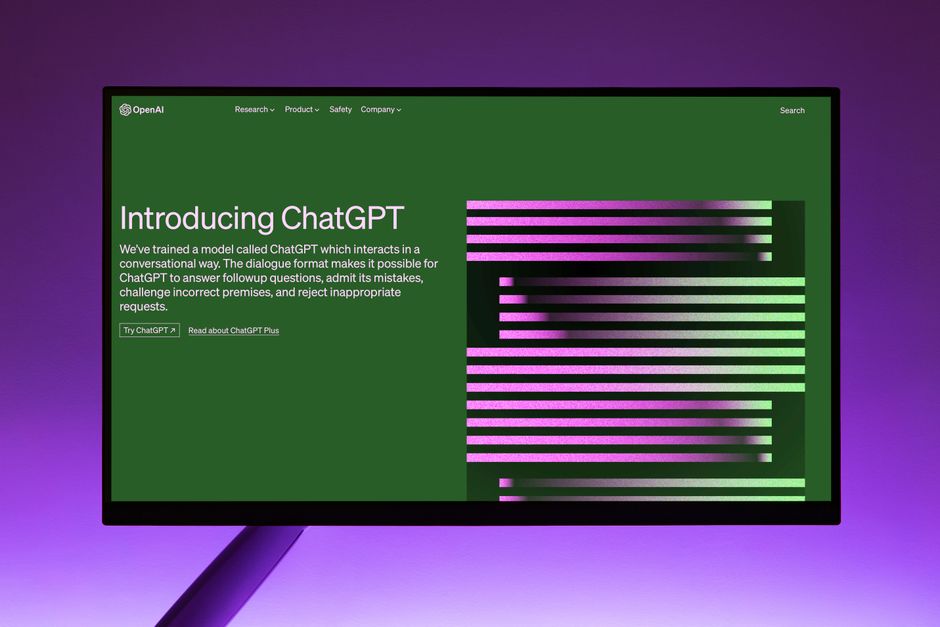
Remember when AI was just a futuristic concept? Or maybe, more recently, when it was mostly about chatbots spitting out generic answers? Well, the game has changed. Dramatically. Today, tools like Google’s Gemini and OpenAI’s ChatGPT are no longer just novelties; they’re becoming indispensable co-pilots in the world of website development, design, and digital marketing. But here’s the kicker: many businesses are still only scratching the surface, using AI for basic content generation. They’re missing out on the deeper, strategic advantages these tools offer.
This isn’t about replacing human creativity or expertise. Instead, it’s about augmenting it, making your website smarter, more efficient, and ultimately, more successful. This article will dive into how AI is subtly, yet powerfully, transforming the strategic landscape of your online presence – from how your website looks and functions, to how it ranks on Google, attracts paid traffic, and even gets featured in Google News. We’ll explore practical, actionable ways to leverage AI *now* to gain a real competitive edge, moving beyond simple content generation to a truly intelligent web strategy.
Unlocking Your Website’s Strategic Advantage with AI
The real power of AI for your website lies in its ability to analyze vast amounts of data, identify patterns, and generate insights or solutions at a speed and scale impossible for humans alone. This translates into tangible benefits across the entire lifecycle of your web presence.
AI for Smarter Website Design & Development
Good design isn’t just about aesthetics; it’s about user experience, functionality, and conversion. AI can act as your intelligent assistant, streamlining processes and suggesting improvements you might not have considered.
-
Rapid Prototyping & UI/UX Suggestions
Imagine describing your ideal website layout or a specific user flow to Gemini or ChatGPT. These tools can then generate wireframe ideas, suggest optimal button placements, or even propose color palettes and font pairings based on user psychology and current design trends. This drastically cuts down initial design time and helps you iterate faster, ensuring your website design is not just beautiful, but also highly functional and user-friendly.
-
Personalized User Journeys (Even for Small Businesses)
While full-scale AI personalization might seem out of reach for smaller sites, you can use AI to *plan* for it. Feed your AI tools data about your audience segments (e.g., first-time visitors vs. returning customers, leads from different sources). Ask for suggestions on how to tailor content blocks, calls-to-action, or even navigation pathways for each segment. This allows you to design a more relevant experience for different users, even if it’s implemented manually or through simpler A/B testing.
-
Code Optimization & Debugging Assistance
For developers, AI is a game-changer. ChatGPT or Gemini can help you write code snippets, suggest best practices for performance optimization (like reducing load times), and even identify potential bugs or security vulnerabilities in your existing code. This speeds up development, improves code quality, and ensures your website is robust and secure.
AI for Hyper-Targeted SEO & Content Strategy
SEO isn’t just about keywords anymore; it’s about understanding user intent and providing comprehensive, authoritative answers. AI excels at this, helping you go beyond basic research.
-
Deep Dive Keyword & Intent Analysis
Instead of just listing keywords, ask Gemini or ChatGPT to analyze search intent behind specific queries. “What questions are people *really* asking when they search for ‘best coffee maker’?” AI can help uncover latent needs, related topics, and the stages of the buyer’s journey associated with different keywords. This allows you to create content that precisely matches what your audience is looking for, leading to higher rankings and engagement.
-
Content Cluster Generation & Topical Authority
To rank well, Google wants to see you as an authority on a topic. AI can help you map out entire content clusters – a main “pillar” page surrounded by supporting articles that link to it. Describe your core topic, and AI can suggest a comprehensive list of sub-topics, article titles, and even outline structures to build out your topical authority, ensuring your website covers a subject thoroughly.
-
Automated Meta Description & Title Tag Refinement
Crafting compelling meta descriptions and title tags for hundreds of pages can be tedious. Feed your page content and target keywords to AI, and it can generate multiple, optimized options that are concise, engaging, and encourage clicks. This saves time and improves your click-through rates from search results.
-
Local SEO Optimization Boost
For local businesses, AI can be invaluable. Use it to generate localized content ideas (e.g., “best cafes in [your city]”), suggest improvements for your Google My Business profile descriptions, or even help draft responses to customer reviews that are both professional and SEO-friendly.
AI for Precision PPC Campaigns
Pay-per-click (PPC) advertising requires constant optimization and deep audience understanding. AI can refine your campaigns to reduce wasted spend and improve ROI.
-
Ad Copy & Landing Page Optimization
Describe your target audience and product, and AI can generate multiple variations of compelling ad copy that resonate with different segments. Furthermore, it can suggest improvements for your landing page copy and design based on conversion best practices, helping you align your ad message with the page experience for maximum impact.
-
Audience Segmentation & Targeting Insights
Feed your customer data (anonymized, of course) or general market research into AI. Ask it to identify new audience segments you might be overlooking or to refine existing ones based on behavioral patterns or demographic nuances. This can lead to more precise targeting and more effective ad spend.
-
Performance Analysis & Bid Strategy
While AI tools like Google Ads’ Smart Bidding are powerful, you can use Gemini or ChatGPT to analyze your PPC campaign reports. Ask for insights into underperforming keywords, ad groups, or audience segments. It can even suggest hypothetical bid adjustments or budget reallocations based on historical data to improve your campaign’s efficiency.
AI for Amplifying Your Google News Presence
Getting featured in Google News can dramatically boost your website’s authority, traffic, and visibility. AI can help you strategize for this coveted exposure.
-
Identifying Trending Topics & Angles
Ask AI to analyze current news trends, popular discussions in your niche, and even competitor news. It can then suggest unique angles or timely topics that align with your expertise and have a higher chance of being picked up by news aggregators. This moves you from reactive content creation to proactive newsjacking.
-
Structuring Content for News Readability & E-A-T
Google News prioritizes content that is authoritative, well-structured, and easy to consume. AI can help you draft headlines that are both catchy and informative, suggest how to structure your article with clear subheadings, bullet points, and concise paragraphs, and even recommend internal and external linking strategies to demonstrate your E-A-T (Expertise, Authoritativeness, Trustworthiness).
Frequently Asked Questions About AI & Your Website
-
Is AI going to replace web developers and designers?
Not entirely, and not soon. AI is a powerful tool for *augmentation*, not replacement. It handles repetitive tasks, generates ideas, and optimizes existing work, freeing up human developers and designers to focus on higher-level strategy, creativity, problem-solving, and the unique human touch that AI can’t replicate. Think of it as a highly skilled co-pilot, not the pilot itself.
-
Which AI tools should I start with?
For general content generation, idea brainstorming, and code assistance, Google’s Gemini and OpenAI’s ChatGPT are excellent starting points. Many specialized AI tools are also emerging for specific tasks like image generation (e.g., Midjourney, DALL-E), SEO analysis (e.g., Surfer SEO with AI integration), and ad copy generation. Start with the general-purpose tools to get comfortable, then explore specialized options as your needs evolve.
-
How do I ensure AI-generated content is unique and high-quality?
The key is to use AI as a first draft generator or idea incubator, not a final publisher. Always review, edit, and humanize AI output. Add your unique voice, specific examples, and expert insights. Fact-check everything. This ensures the content is original, accurate, and truly reflects your brand’s expertise, avoiding generic or potentially incorrect information.
-
Is using AI for SEO/PPC considered ‘cheating’ or ‘black hat’?
No, not inherently. Using AI to generate ideas, optimize existing content, analyze data, or refine strategies is a legitimate and increasingly common practice. The ‘black hat’ aspect only comes into play if you use AI to generate spammy, low-quality, misleading, or deceptive content, or to manipulate search rankings unfairly. As long as your AI-assisted efforts focus on providing genuine value to users and adhering to ethical guidelines, you’re in good shape.
Conclusion: Embrace the AI Co-Pilot for a Smarter Web Presence
The rise of AI, particularly sophisticated models like Gemini and ChatGPT, isn’t just another tech trend; it’s a fundamental shift in how we approach website development, design, and digital marketing. By moving beyond basic content generation and embracing AI as a strategic co-pilot, you can unlock unparalleled efficiencies, gain deeper insights into your audience, and build a more resilient, high-performing online presence.
The businesses that thrive in the coming years will be those that learn to effectively integrate AI into their workflows. It’s about working smarter, not harder. Start experimenting today, even with small steps. Use AI to brainstorm, optimize, analyze, and refine. Your website isn’t just a digital brochure anymore; with AI, it can become an intelligent, dynamic engine driving your business forward.