
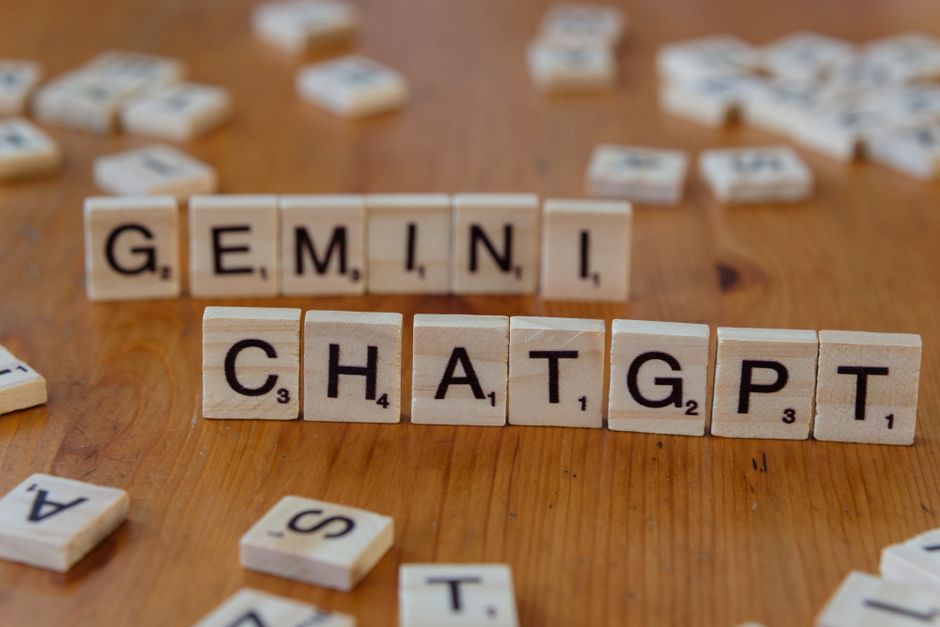
You’ve probably heard the chatter. Gemini. ChatGPT. AI. It’s everywhere. While the hype can sometimes feel overwhelming, these powerful language models aren’t just for writing poems or generating code snippets for fun. They are, in fact, quietly revolutionizing how we approach website development and design, offering practical solutions for businesses looking to stay ahead in the ever-evolving digital landscape. Forget the futuristic fantasies; let’s talk about what this means for *your* next website project, right now.
The Shifting Sands of Website Creation
For years, building a website involved a fairly linear process: planning, design, development, content creation, and finally, SEO and marketing. While these core stages remain, the tools and the speed at which we can navigate them are undergoing a dramatic transformation. AI, particularly large language models like Google’s Gemini and OpenAI’s ChatGPT, are stepping in as incredibly versatile assistants, not replacing human expertise, but augmenting it in powerful ways.
Think of it this way: instead of a graphic designer painstakingly sketching dozens of logo variations, or a content writer staring at a blank page for hours, AI can provide a rapid-fire array of initial concepts. This doesn’t mean the final product will be AI-generated. Far from it. It means the *ideation* and *drafting* phases are significantly accelerated, freeing up human professionals to focus on strategy, refinement, and the crucial nuances that truly make a website shine.
Practical Applications: How Gemini & ChatGPT Can Elevate Your Website Project
1. Supercharging Content Strategy and Creation
One of the biggest bottlenecks in website projects is content. From crafting compelling landing page copy to generating informative blog posts and product descriptions, it’s a time-consuming process. Gemini and ChatGPT can be invaluable allies here:
- Brainstorming and Outlines: Stuck for blog post ideas related to your niche? Ask an AI to generate a list of potential topics based on your industry and target audience. You can then ask it to create detailed outlines for your chosen topics, including key headings and subheadings.
- Drafting Initial Content: While you’ll always want a human editor to refine and inject your brand’s unique voice, AI can produce solid first drafts of website copy, product descriptions, FAQs, and even social media posts to promote your new site. This can shave hours off your writing time.
- Keyword Research Amplification: While dedicated SEO tools are essential, AI can help you think more broadly about related keywords and long-tail phrases. You can ask it to suggest search terms a potential customer might use when looking for your services or products.
- Content Repurposing: Have existing content? AI can help you reformat it for different platforms or create summaries for social media.
2. Enhancing Website Design and User Experience (UX)
Design isn’t just about aesthetics; it’s about functionality and how users interact with your site. AI is starting to play a role in this area too:
- Wireframing and Layout Ideas: Describe your website’s purpose and target audience, and AI can suggest different layout structures and user flow ideas. This can be a great starting point for your UX designer.
- A/B Testing Variations: Need to test different headlines or calls to action? AI can generate multiple variations for you to implement in your A/B testing.
- Personalization Strategies: While complex personalization engines are still developing, AI can help you brainstorm ways to tailor content and offers to different user segments based on their inferred interests.
3. Streamlining SEO and Marketing Efforts
Getting found online is paramount. AI can assist in making your SEO and marketing efforts more efficient and effective:
- Meta Description and Title Tag Generation: AI can quickly generate multiple options for meta descriptions and title tags, helping you optimize for search engine results pages (SERPs). Remember to review and tailor these for maximum impact and relevance.
- Ad Copy Creation for Pay-Per-Click (PPC): Crafting effective ad copy for platforms like Google Ads can be challenging. AI can generate a variety of ad headlines and descriptions, allowing you to test different approaches to improve your click-through rates (CTRs).
- Understanding Search Intent: By analyzing vast amounts of data, AI can provide insights into what users are *really* looking for when they type certain queries. This deeper understanding of search intent is crucial for creating content that ranks.
- Drafting Google News Submissions: If your business has newsworthy updates, AI can help draft press releases and pitches tailored for submission to Google News, increasing your visibility in news aggregators.
The Human Element: Why AI Isn’t a Replacement, But a Partner
It’s crucial to reiterate: AI is a tool. It lacks the strategic thinking, emotional intelligence, and nuanced understanding of your specific business goals that a human expert possesses. An AI can’t truly grasp your brand’s soul, build genuine customer relationships, or make the final strategic decisions that drive business success.
Think of your web development team as a skilled orchestra. AI can be the incredibly talented section player who can perform complex passages flawlessly, but the conductor (your project manager and strategists) is still essential for bringing the entire piece together harmoniously. The creativity, critical thinking, and ethical considerations that go into building a successful website still firmly reside with humans.
Navigating the AI Landscape: Practical Tips for Your Project
Here’s how to best leverage AI in your website development and design process:
- Define Clear Objectives: Before you even interact with an AI, know what you want to achieve. Are you trying to speed up content creation? Generate new marketing angles? Get initial design concepts?
- Use AI for Ideation and Drafting, Not Final Output: Treat AI-generated content or design ideas as a starting point. Always review, edit, and refine them to align with your brand voice, strategy, and quality standards.
- Fact-Check Everything: AI models can sometimes “hallucinate” or present inaccurate information. Always verify any factual claims generated by AI.
- Focus on Prompts: The quality of AI output is heavily dependent on the quality of your prompts. Be specific, provide context, and iterate on your prompts to get the best results.
- Integrate, Don’t Replace: View AI as an augmentation to your existing team and processes, not a replacement for skilled professionals like web developers, designers, copywriters, and SEO specialists.
- Stay Updated: The capabilities of AI are evolving at an astonishing pace. Keep an eye on new features and best practices to ensure you’re using these tools to their full potential.
FAQ: Your AI Website Development Questions Answered
Q1: Will AI take over website development jobs?
While AI will undoubtedly automate certain tasks, it’s more likely to transform jobs rather than eliminate them entirely. Roles will evolve to focus more on strategic oversight, AI prompt engineering, quality control, and the human-centric aspects of design and user experience that AI cannot replicate.
Q2: How can I ensure my website content generated with AI is unique and not plagiarized?
While AI models are trained on vast datasets, they generate new text. However, it’s always good practice to use plagiarism checkers on any AI-generated content before publishing. More importantly, heavily editing and adding your unique insights, brand voice, and factual verification will ensure originality.
Q3: Is it worth investing in AI tools for my small business website?
For small businesses, many AI tools offer free tiers or affordable subscriptions. Even using free versions of ChatGPT or Gemini for brainstorming and drafting can save significant time and resources, making it a worthwhile investment for improving efficiency.
Q4: How does AI help with Google News submissions?
AI can help draft press releases and news summaries that are more likely to be picked up by Google News by understanding the structure and tone that news outlets typically look for. It can also help identify newsworthy angles within your business updates.
Q5: Can AI help me understand my website’s performance?
While AI can analyze data and identify trends, it’s not a direct replacement for dedicated analytics tools like Google Analytics. However, you can use AI to help interpret complex data or brainstorm strategies to improve metrics identified in your analytics reports.
Conclusion: Embracing the Future, Today
The integration of AI, particularly models like Gemini and ChatGPT, into website development and design is not a distant possibility; it’s a present reality. By understanding their practical applications and embracing them as powerful partners, businesses can accelerate their projects, enhance their digital presence, and ultimately, create more effective and engaging websites. The key is to leverage these tools wisely, always remembering that human creativity, strategy, and oversight are the irreplaceable cornerstones of a truly successful online experience. Your next website project can be faster, smarter, and more impactful by embracing this new era of AI-assisted creation.