Why Your Google Business Profile Image Size Isn’t Just About Dimensions
In today’s hyper-local search landscape, your Google Business Profile (GBP) is often the first impression potential customers have of your business. While many focus on getting the *right* image, the *size* of that image plays a surprisingly crucial role, not just for aesthetics, but for how Google displays it and how effectively it communicates your brand. We’re not talking about simply hitting a pixel count; we’re diving into how image size directly impacts visibility, engagement, and ultimately, your bottom line. Forget the generic “use a high-res image” advice. Let’s explore the practical, user-intent-driven reasons why mastering your GBP image dimensions is a game-changer.
The Hidden Impact of Image Size on Your GBP Performance
Think about your own online behavior. When you see a blurry, pixelated, or awkwardly cropped image, what’s your immediate reaction? It’s likely a subconscious signal of unprofessionalism or a lack of attention to detail. Google’s algorithms are sophisticated enough to recognize this too. While they don’t explicitly penalize for slightly off sizes, there are several ways incorrect dimensions can hinder your GBP’s effectiveness:
- Poor First Impression: A poorly sized image can appear stretched, pixelated, or cut off, making your business look less credible and appealing. This directly impacts user trust.
- Reduced Click-Through Rates (CTR): If your primary image (often your cover photo) is distorted, it can deter users from clicking through to your website or calling you.
- Lower Engagement: Images that don’t display correctly are less likely to be noticed or interacted with, leading to fewer views, likes, and comments on your posts.
- Missed Opportunities in Local Pack: In the coveted “Local Pack” results (those three business listings that appear at the top of local searches), images are vital. If your image is cut off or too small, it won’t make the impact it needs to stand out.
- Inconsistent Branding: Across different devices and search interfaces (desktop, mobile, Maps), inconsistent image display can dilute your brand message.
Decoding Google Business Profile Image Specifications: The Practical Approach
Google provides recommended specifications, but understanding *why* they recommend them is key. It’s not about rigid rules; it’s about optimizing for the user experience.
Cover Photo: Your Digital Storefront Window
This is the most prominent image on your GBP. It sets the tone and should immediately convey what your business is about.
- Recommended Size: 1080 x 608 pixels (approximately 1.78:1 aspect ratio)
- Why This Size Matters: This aspect ratio is designed to fit well across various Google surfaces, including the Local Pack and Maps. It ensures your image isn’t overly wide or too square, maximizing its visual impact without awkward cropping.
- Practical Tip: Think of this as a landscape photograph. Place your most important visual elements towards the center to avoid them being cut off on different displays. If you have text, ensure it’s readable and not at the edges.
Profile Photo: Your Business’s Face
This is your logo or a representative image that appears next to your business name in search results and on your profile.
- Recommended Size: 500 x 500 pixels (1:1 aspect ratio)
- Why This Size Matters: A square aspect ratio is standard for profile pictures across most platforms. It ensures your logo or image remains clear and recognizable, even when displayed as a small circle or square.
- Practical Tip: Use a high-resolution logo that looks good even when scaled down. Ensure there’s enough padding around your logo so it doesn’t feel cramped. Avoid busy backgrounds.
Photo Posts: Keeping Your Audience Engaged
These are the images you upload to share updates, promotions, or highlight aspects of your business. They appear in the “Updates” section of your GBP and can be crucial for driving engagement.
- Recommended Size: Varies, but generally aim for a minimum of 720 pixels wide. For optimal display, consider sizes like 1200 x 900 pixels (4:3 aspect ratio) or 1200 x 628 pixels (1.91:1 aspect ratio) depending on the content.
- Why This Size Matters: Google will display these images in various ways. Larger, well-proportioned images will be more visually appealing and less likely to be cropped awkwardly.
- Practical Tip: For promotional posts, a visually striking image that clearly communicates your offer is key. For showcasing your products or services, ensure the image is clear, well-lit, and highlights the key features. If you’re using a horizontal image, ensure the main subject is centered. If it’s a vertical image, be mindful of how it might be cropped on different displays.
Product Photos: Showcasing What You Sell
If you have products to list on your GBP, high-quality images are non-negotiable.
- Recommended Size: Minimum of 1000 pixels wide. Square (1:1) or slightly rectangular (e.g., 4:3) aspect ratios generally work well.
- Why This Size Matters: Customers are making purchasing decisions based on these images. They need to be clear, detailed, and accurately represent the product.
- Practical Tip: Use clean, well-lit shots against a neutral background. Show the product from multiple angles if possible. Ensure the product is the clear focus and not obscured by other elements.
Interior/Exterior Photos: Setting the Scene
These photos give potential customers a feel for your physical space.
- Recommended Size: Minimum of 1000 pixels wide. Landscape (horizontal) orientation is usually best.
- Why This Size Matters: Users want to see what your business looks like before they visit. Clear, inviting photos build anticipation and trust.
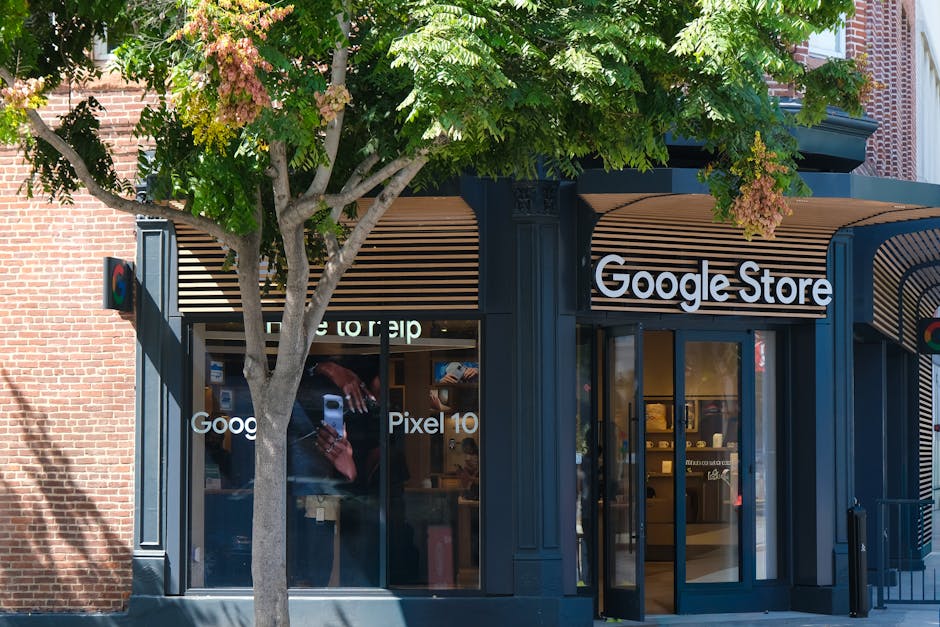
- Practical Tip: For exterior shots, capture your storefront clearly, ideally during daylight. For interiors, showcase your ambiance, cleanliness, and key features that make your space unique. Avoid clutter.
Beyond the Numbers: Optimizing for User Intent with Image Size
Understanding the pixel count is only half the battle. The real SEO power comes from using those dimensions to meet user intent.
Scenario 1: The “I Need It Now” Customer
Imagine someone searching for “emergency plumber near me.” They need a business that looks reliable and responsive. Your cover photo is the first thing they’ll see. If it’s a blurry, unprofessional image, they might scroll past. A crisp, clear photo of your team, a well-maintained vehicle, or your clean workspace conveys professionalism and reassures them they’ve found the right service. The 1080 x 608 dimension ensures this important visual is presented clearly, even on a quick mobile scan.
Scenario 2: The “I’m Browsing for Options” Customer
Someone searching for “best Italian restaurant in [city]” is looking for an experience. Your interior photos are crucial here. A well-sized, inviting photo of your dining area at 1000+ pixels wide allows them to virtually step inside. They can gauge the atmosphere, cleanliness, and overall vibe. A poorly sized or pixelated image will make them feel less confident about booking a table.
Scenario 3: The “What’s New/On Sale?” Customer
For businesses with rotating offers or new products, your photo posts are gold. Using the recommended sizes for photo posts ensures your specials are clearly visible and enticing, driving clicks and conversions. A well-cropped, high-quality image of a new menu item or a seasonal discount is far more effective than a distorted one.
Common Pitfalls to Avoid with GBP Image Sizes
Even with the best intentions, it’s easy to make mistakes. Here are some common traps and how to sidestep them:
- Over-compressing Images: While file size matters for loading speed, don’t sacrifice quality to an extreme. Google prefers images that are clear and detailed.
- Using Vertical Images for Horizontal Slots: This will almost always result in awkward cropping. Understand the intended aspect ratio for each image type.
- Ignoring Mobile View: The majority of local searches happen on mobile. Always preview how your images look on a smaller screen.
- Using Stock Photos Inappropriately: While stock photos can be a placeholder, authentic images of your business, team, and products are far more impactful and build trust.
- Not Updating Regularly: Keep your images fresh, especially your cover photo and post images, to reflect current offerings and seasonality.
Frequently Asked Questions About Google Business Profile Image Sizes
What happens if I upload an image that’s too small?
Google will likely scale it up, which can result in a blurry or pixelated image. This detracts from your professionalism and can negatively impact user perception and engagement.
Can I use images with text overlays?
Yes, but use them sparingly and ensure the text is legible on all devices. For cover photos, avoid placing critical information at the very edges, as it might be cropped. For post images, keep text concise and impactful.
What’s the best file format for GBP images?
Google accepts JPG and PNG file formats. JPG is generally preferred for photographs due to its smaller file size, while PNG is better for graphics with sharp lines and transparency.
How often should I update my Google Business Profile images?
Regular updates are recommended. Aim to refresh your cover photo seasonally or when significant changes occur in your business. Post new images regularly (weekly or bi-weekly) to keep your profile active and engaging.
Do image sizes affect my local SEO ranking?
While image size isn’t a direct ranking factor in the same way keywords are, it significantly impacts user engagement metrics (like clicks and time spent on your profile). These engagement signals *can* indirectly influence your local SEO performance by showing Google that users find your listing valuable and relevant.
Conclusion: Investing in Visuals is Investing in Customers
Mastering your Google Business Profile image sizes isn’t just a technical task; it’s a strategic marketing move. By understanding the recommended dimensions and, more importantly, *why* they matter, you can create a visually compelling and trustworthy online presence. This leads to better first impressions, increased engagement, and ultimately, more customers walking through your door or clicking on your “call” button. Don’t let pixel dimensions be a barrier to your local business success. Invest the time to get your visuals right, and watch your GBP become a powerful engine for growth.