
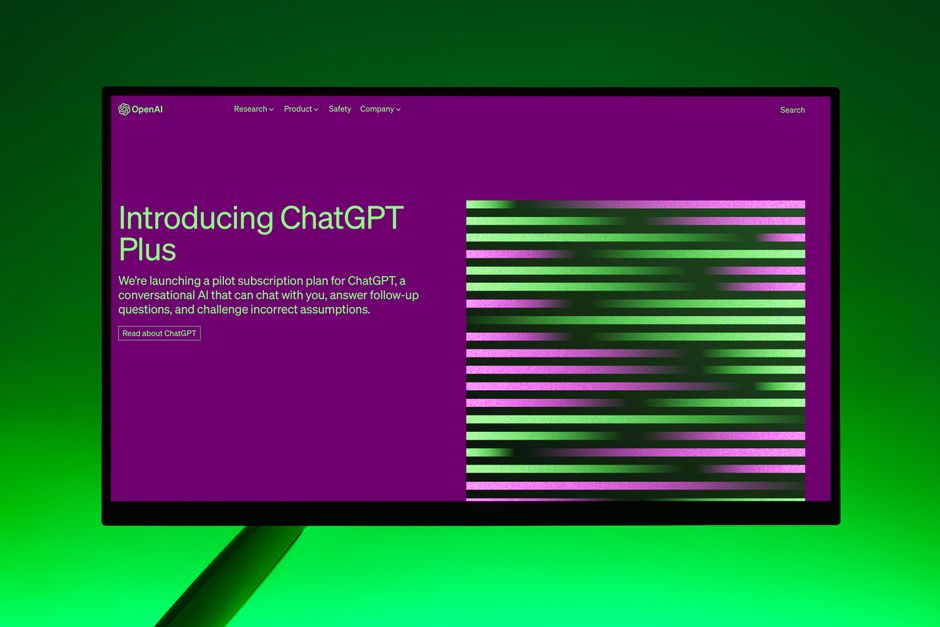
The world of website development and design is constantly evolving, and a big part of that evolution is the rise of Artificial Intelligence. You’ve probably heard a lot about AI tools like ChatGPT and, more recently, Google’s own Gemini. But what does this mean for *your* website? Beyond just generating blog post ideas, these powerful AI models can become your secret weapon for smarter, more effective SEO and even revolutionize how you approach Pay-Per-Click (PPC) campaigns. Forget the generic “how to write a blog post” advice; let’s dive into how Gemini and ChatGPT can be your practical, on-demand co-pilots for achieving real online success.
Beyond the Buzz: How AI Actually Impacts Your Website’s Growth
It’s easy to get caught up in the hype, but the real value of AI for website owners lies in its ability to process vast amounts of data, identify patterns, and offer actionable insights at a speed no human can match. For website development and design professionals, this translates to more informed decisions, faster execution, and ultimately, a more competitive online presence.
Think about it: how much time do you spend researching keywords, analyzing competitor strategies, or trying to decipher complex analytics? AI can significantly streamline these processes. Gemini, with its multimodal capabilities and deep integration with Google’s ecosystem, is particularly interesting for SEO and PPC. ChatGPT, on the other hand, has proven its prowess in creative content generation and conversational understanding.
Unlocking SEO Superpowers with AI Assistants
Search Engine Optimization (SEO) is the bedrock of organic traffic. While the core principles remain, the *methods* for achieving them are becoming more sophisticated. AI tools can help you navigate this complexity with greater ease.
Keyword Research Reimagined
Gone are the days of simply guessing what people search for. AI can analyze search trends, user intent, and even emerging topics to suggest highly relevant keywords you might have missed. Gemini, in particular, can leverage its understanding of Google’s search algorithms to provide insights that are directly aligned with what Google prioritizes.
- Intent Analysis: Instead of just finding high-volume keywords, ask your AI assistant to identify keywords based on specific user intent (e.g., “informational,” “navigational,” “transactional”). This helps you create content that truly answers user questions.
- Long-Tail Keyword Discovery: AI can uncover niche, long-tail keywords that have lower competition and higher conversion rates. These are often the hidden gems that drive targeted traffic.
- Competitor Keyword Gap Analysis: Provide your AI with competitor websites and ask it to identify keywords they are ranking for that you are not. This is invaluable for strategic content planning.
Content Optimization: Beyond Basic Grammar Checks
AI isn’t just for writing; it’s for *optimizing*. It can help ensure your content is not only readable but also aligns with SEO best practices and user expectations.
- Topic Clusters and Pillar Pages: Ask AI to help you brainstorm comprehensive topic clusters around your core offerings. This involves identifying a main “pillar” topic and then suggesting related sub-topics for supporting content, all interconnected to build authority.
- Readability and Engagement Scoring: While many tools do this, AI can offer more nuanced feedback on sentence structure, vocabulary, and overall flow to keep readers engaged.
- Internal Linking Suggestions: AI can analyze your existing content and suggest relevant internal links to improve site navigation and distribute link equity.
- Schema Markup Generation: For more advanced users, AI can assist in generating structured data markup (like schema.org) to help search engines better understand your content, potentially leading to rich snippets in search results.
Technical SEO Assistance
While AI can’t fix a broken server, it can help you identify and understand technical SEO issues.
- Identifying Crawl Errors: You can feed AI logs or descriptions of crawl errors and ask for potential causes and solutions.
- UX Signal Analysis: AI can help interpret user behavior data from tools like Google Analytics to suggest improvements for user experience (UX), which is a significant ranking factor.
Revolutionizing PPC with AI-Powered Insights
Pay-Per-Click (PPC) advertising, especially Google Ads, is a powerful way to drive immediate traffic. AI can make your campaigns more efficient and cost-effective.
Ad Copy and Creative Generation
Crafting compelling ad copy that resonates with your target audience is crucial. AI can be a fantastic brainstorming partner.
- A/B Testing Variations: Generate multiple variations of ad headlines and descriptions, tailored to different audience segments or campaign goals.
- Audience Persona Alignment: Describe your ideal customer to the AI and ask it to generate ad copy that speaks directly to their pain points and desires.
- Call-to-Action (CTA) Optimization: Get suggestions for strong, action-oriented CTAs that encourage clicks.
Audience Targeting Refinement
The more precise your targeting, the less money you waste. AI can help you pinpoint your ideal customer.
- Demographic and Interest-Based Targeting Ideas: Based on your product or service, AI can suggest relevant demographic groups, interests, and even behavioral patterns to target.
- Lookalike Audience Strategies: If you have existing customer data, AI can help you conceptualize strategies for finding similar audiences on platforms like Google Ads.
Bid Management and Budget Allocation (Conceptual)**
While direct bid management automation is usually handled by ad platforms themselves, AI can help you think strategically about budget allocation.
- Campaign Performance Analysis: Feed your campaign data into AI and ask for insights into which ad groups, keywords, or demographics are performing best and where budget might be better allocated.
- Forecasting and Budget Planning: While not a perfect predictor, AI can help you model potential outcomes based on different budget scenarios, aiding in more informed planning.
Gemini and Google News: A Powerful Combination
For businesses that rely on being at the forefront of their industry, staying updated with the latest news is critical. Gemini’s integration with Google’s vast information network, including Google News, opens up exciting possibilities:
- Trend Spotting for Content: Ask Gemini to summarize the latest news and trends in your niche. This can inspire timely blog posts, social media updates, or even product development ideas.
- Competitive Monitoring: Track what your competitors are doing and what the industry is saying about them by asking Gemini to scan recent news related to specific companies or topics.
- Identifying Emerging Opportunities: Gemini can help you connect dots between seemingly unrelated news items to uncover new market opportunities or shifts in consumer behavior.
Practical Tips for Integrating AI into Your Workflow
It’s one thing to know AI can help; it’s another to actually use it effectively. Here are some practical tips:
- Start Small and Experiment: Don’t try to overhaul your entire SEO or PPC strategy at once. Pick one area, like keyword research or ad copy generation, and experiment with Gemini or ChatGPT.
- Be Specific with Your Prompts: The quality of the AI’s output is directly related to the quality of your input. The more detailed and specific your prompts, the better the results. Instead of “write about SEO,” try “Act as an SEO specialist and suggest five long-tail keyword opportunities for a local bakery specializing in gluten-free products, focusing on transactional intent.”
- Treat AI as a Co-Pilot, Not an Auto-Pilot: AI is a tool to augment your skills, not replace them. Always review, edit, and fact-check the AI’s output. Your human expertise and critical thinking are still essential.
- Understand the Limitations: AI can hallucinate or provide outdated information. It’s crucial to verify any factual claims and ensure the advice aligns with current best practices and your specific business context.
- Focus on Actionable Insights: Don’t just ask for information; ask for actionable steps. For example, instead of “What are SEO trends?”, ask “Based on current SEO trends, what are three actionable steps I can take this week to improve my website’s ranking for [your target keyword]?”
- Integrate with Existing Tools: Look for ways to use AI outputs to inform your work in Google Analytics, Google Ads, SEO platforms, and your website’s content management system (CMS).
Frequently Asked Questions (FAQ)
Q1: Can Gemini replace a human SEO expert?
No, not entirely. AI tools like Gemini can significantly assist an SEO expert by automating research, generating ideas, and analyzing data. However, human expertise is still crucial for strategic planning, critical evaluation, understanding nuanced market dynamics, and ethical considerations.
Q2: How can I ensure the content generated by AI is unique and not plagiarized?
While AI aims to generate original content, it’s always a good practice to run AI-generated text through a plagiarism checker. Furthermore, human editing and adding your unique voice and insights will ensure originality and add value.
Q3: Is Gemini better than ChatGPT for SEO and PPC tasks?
Both have strengths. ChatGPT is a powerful general-purpose AI for content creation and brainstorming. Gemini, with its deeper integration into Google’s ecosystem and multimodal capabilities, may offer more direct insights for Google-centric tasks like SEO and PPC, especially when leveraging Google News or other Google products. It’s worth experimenting with both to see which works best for your specific needs.
Q4: How much does it cost to use AI tools like Gemini or ChatGPT for my website development?
Many AI tools offer free tiers with limited usage. Paid subscriptions provide more advanced features, higher usage limits, and faster processing. The cost varies depending on the platform and the level of service you require.
Q5: Can AI help with website design directly?
While AI is rapidly advancing in design, its current primary role in website development is more on the strategic and content side. It can help with user flow planning, content hierarchy, and even suggesting design *elements* based on best practices, but it won’t replace the creative and technical skills of a human web designer for full site creation.
Conclusion: Embrace Your AI Co-Pilot for a Smarter Web Presence
The integration of AI, whether it’s Google’s Gemini or OpenAI’s ChatGPT, into your website development, design, SEO, and PPC strategies is no longer a futuristic concept; it’s a present-day necessity for staying competitive. By treating these powerful tools as intelligent co-pilots, you can unlock new levels of efficiency, gain deeper insights, and ultimately drive more meaningful results for your website. Don’t be afraid to experiment, refine your prompts, and always apply your human expertise to the AI’s output. The future of a successful online presence is collaborative – human ingenuity powered by AI intelligence.