
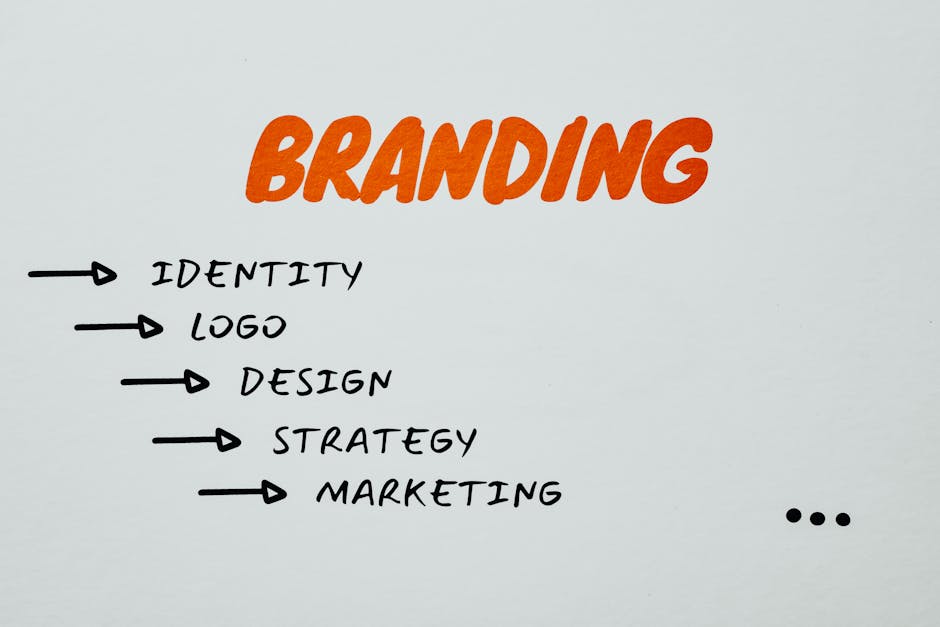
In today’s crowded marketplace, simply having a good product or service isn’t enough. To truly stand out and connect with your audience, you need to build a strong, memorable brand. But what does that really mean? It’s more than just a catchy name and a pretty logo. It’s about the entire experience your customers have with your business, from their first impression to their long-term loyalty. This article will guide you through the essential steps of creating a business brand that not only looks good but also feels authentic and deeply connects with your ideal customers.
Understanding the Core of Your Brand: It Starts Within
Before you even think about colors or taglines, you need to understand the soul of your business. This is the foundation upon which your entire brand will be built. Ask yourself these fundamental questions:
1. What is Your “Why”?
This is the most crucial question. Simon Sinek famously popularized the concept of starting with your “why.” It’s not about what you do, but *why* you do it. What problem are you solving? What passion drives you? What impact do you want to make on the world? Your “why” is your purpose, and it’s the most powerful differentiator you have.
- Example: A coffee shop might say, “We sell coffee.” But their “why” could be, “We aim to create a welcoming community hub where people can connect and recharge.”
2. Who Are You Trying to Reach?
You can’t be everything to everyone. Define your ideal customer with as much detail as possible. Think about their demographics, psychographics, needs, desires, pain points, and even their aspirations. The more you understand them, the better you can tailor your brand message and offerings to resonate with them.
- Create Buyer Personas: Give your ideal customers names, jobs, hobbies, and a backstory. This makes them feel real and helps you empathize with their needs.
3. What Are Your Core Values?
What principles guide your business decisions and actions? Your values are your ethical compass. They dictate how you treat your customers, your employees, and your community. Authenticity is key here; your values should be genuinely reflected in your operations.
- Examples: Sustainability, innovation, integrity, customer-centricity, community involvement.
4. What Makes You Unique? (Your Unique Selling Proposition – USP)
In a sea of similar businesses, what sets you apart? Your USP is the specific benefit that makes your business stand out from the competition. It should be clear, concise, and compelling.
- Consider: Price, quality, customer service, innovation, specialization, convenience, experience.
Translating Your Core into a Tangible Brand Identity
Once you have a solid understanding of your business’s core, it’s time to translate that into a visual and verbal identity that customers can recognize and connect with.
1. Crafting Your Brand Messaging
This is how you communicate your “why,” your values, and your USP to your audience. It’s more than just words; it’s the tone, the style, and the stories you tell.
- Brand Voice: Is your brand voice formal or casual? Humorous or serious? Authoritative or friendly? This should be consistent across all your communications.
- Tagline/Slogan: A short, memorable phrase that encapsulates your brand’s essence.
- Brand Story: The narrative behind your business. People connect with stories. Share your journey, your challenges, and your triumphs.
2. Designing Your Visual Identity
This is what people see and associate with your brand. It needs to be cohesive and memorable.
- Logo: Your primary visual identifier. It should be simple, versatile, and reflective of your brand’s personality.
- Color Palette: Colors evoke emotions. Choose colors that align with your brand’s message and target audience.
- Typography: The fonts you use can convey different feelings. Select fonts that are readable and consistent with your brand’s style.
- Imagery/Photography Style: The type of images you use (e.g., professional, candid, illustrative) should align with your brand’s overall aesthetic.
3. Developing a Brand Style Guide
This document is your brand bible. It ensures consistency across all your marketing materials and communications, whether they are created by you or by external partners.
- What to Include: Logo usage guidelines, color codes (HEX, RGB, CMYK), typography rules, voice and tone examples, imagery guidelines.
Bringing Your Brand to Life: Consistency is Key
A strong brand isn’t built overnight. It’s a continuous process of consistent application and authentic engagement.
1. Implement Across All Touchpoints
Every interaction a customer has with your business is a brand touchpoint. Ensure your brand identity is consistently reflected in:
- Your website and social media profiles
- Your marketing materials (brochures, ads, flyers)
- Your product packaging
- Your customer service interactions
- Your physical store or office space
- Your email communications
2. Deliver on Your Brand Promise
Your brand is a promise to your customers. Make sure you consistently deliver on that promise. If you claim to offer exceptional customer service, then every customer interaction should reflect that. If you emphasize quality, your products or services must be of high quality.
3. Engage and Listen
Building a brand is a two-way street. Actively engage with your audience, respond to their feedback, and show that you value their input. This builds trust and loyalty.
- Social Media Engagement: Respond to comments and messages promptly. Run polls and ask questions.
- Customer Feedback: Actively solicit feedback through surveys, reviews, and direct conversations.
4. Evolve and Adapt
The market and your customers’ needs will change. Your brand should be flexible enough to adapt while staying true to its core identity. Regularly review your brand strategy and make adjustments as needed.
Frequently Asked Questions About Building a Business Brand
What is the difference between a brand and a logo?
A logo is a visual symbol that represents your brand. Your brand, on the other hand, is the overall perception and experience people have of your business. It encompasses your values, your mission, your personality, and the emotional connection customers have with you.
How much does it cost to build a brand?
The cost can vary significantly. You can start with a very small budget by focusing on your core message and consistent application. Hiring professional designers and marketers for logo creation, website development, and marketing campaigns will increase the cost. However, a strong brand is an investment that pays dividends in the long run.
How long does it take to build a strong brand?
Building a strong brand is an ongoing process, not a one-time event. While you can establish the foundational elements relatively quickly, it takes consistent effort and time for your brand to gain recognition, build trust, and create deep customer loyalty. Think in terms of years, not months.
Can a small business have a strong brand?
Absolutely! In fact, small businesses often have an advantage because they can be more agile and build more personal connections with their customers. Focusing on your unique “why,” understanding your niche audience, and delivering consistent, authentic experiences are crucial for small business branding.
How do I know if my brand is resonating with my audience?
You can tell if your brand is resonating by observing customer behavior and feedback. Look for signs like repeat business, positive reviews and testimonials, social media engagement, brand advocacy (customers recommending you to others), and a clear understanding of your business’s offerings and values among your target audience.
Conclusion: Your Brand is Your Business’s Story
Creating a strong business brand is about more than just aesthetics; it’s about building a genuine connection with your audience. By understanding your core values, defining your unique purpose, and consistently communicating that through your messaging and visual identity, you can build a brand that not only attracts customers but also fosters loyalty and advocacy. Remember, your brand is the story you tell the world about who you are and why you matter. Invest in it wisely, and it will become one of your most valuable assets.
