
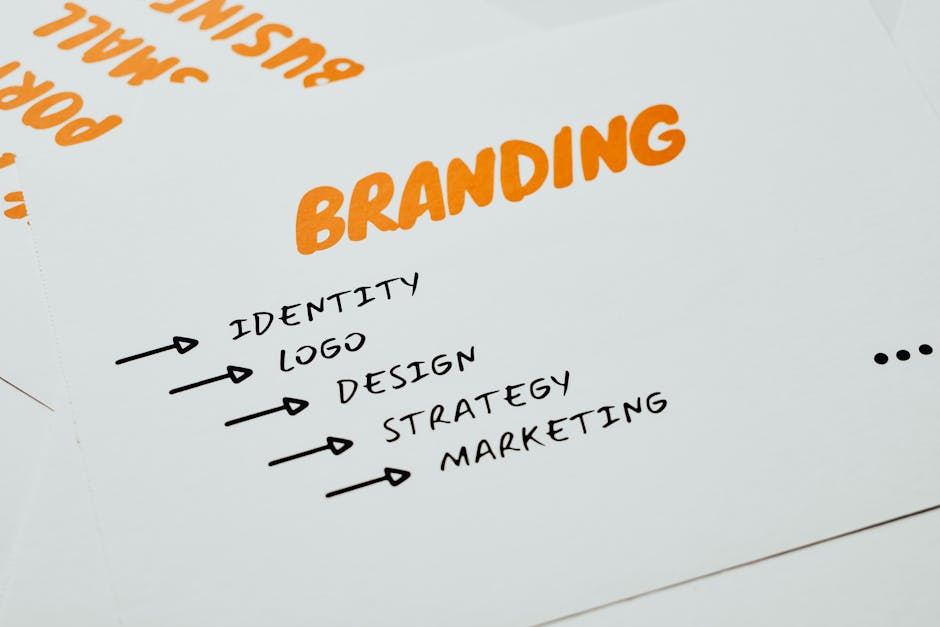
In today’s crowded marketplace, simply having a good product or service isn’t enough. Consumers are bombarded with options, and their attention spans are shorter than ever. They’re not just buying what you sell; they’re buying into *who* you are. This is where the concept of branding transcends the superficial and delves into the very soul of your business. Forget the old-school approach of just picking a color palette and a catchy slogan. We’re talking about crafting an *identity* – something that resonates deeply, builds genuine connection, and makes your business not just memorable, but indispensable.
The Shift: From Transactional to Relational Branding
Think about the brands you truly connect with. They’re not just companies; they’re part of your story. They might evoke a feeling of adventure, comfort, innovation, or even rebellion. This is the power of relational branding, and it’s what you need to cultivate. In the era of hyper-personalization, your brand needs to feel like it understands and speaks directly to the individual, even when you’re reaching thousands or millions.
The old way of thinking about branding was often about projecting a perfect, polished image. The new way is about authenticity, transparency, and shared values. It’s about creating an experience that goes beyond the point of sale and fosters a lasting relationship. This isn’t just a trend; it’s a fundamental shift in consumer psychology.
Step 1: Unearthing Your Brand’s DNA – The “Why” Behind Your “What”
Before you even think about logos or taglines, you need to dig deep. What is the core purpose of your business? Beyond making money, what problem are you solving? What impact do you want to make? This is your “why.” Simon Sinek famously talked about starting with your “why,” and it’s the bedrock of a strong brand.
Ask Yourself These Crucial Questions:
- What are the core values that guide every decision we make?
- What is the unique problem we solve for our customers?
- What is our ultimate mission? What future are we trying to create?
- What are the personality traits of our brand if it were a person? (e.g., playful, serious, innovative, nurturing)
- What emotions do we want our customers to feel when they interact with us?
Your answers to these questions form your brand’s DNA. This isn’t something you can fake. It needs to be genuine and deeply embedded in your business operations.
Step 2: Knowing Your Audience Like Your Best Friend (Even Better!)
Who are you trying to reach? This goes far beyond basic demographics. You need to understand their aspirations, their pain points, their daily routines, their online habits, and even their sense of humor. The more granular you get, the more effectively you can tailor your brand message and offerings.
Deep Dive into Your Ideal Customer:
- What are their biggest frustrations related to your industry?
- What are their unfulfilled desires or dreams?
- Where do they spend their time online and offline?
- What kind of language do they use?
- What other brands do they admire and why?
Tools like customer surveys, social media listening, and even in-depth interviews can provide invaluable insights. Remember, you’re not just selling to them; you’re building a relationship with them. You need to speak their language and address their world.
Step 3: Crafting Your Brand Narrative – The Story That Connects
Every great brand has a compelling story. This isn’t about a fabricated history; it’s about the journey, the vision, and the values that drive your business. Your brand narrative is the thread that weaves through all your communications, making them cohesive and emotionally resonant.
Elements of a Powerful Brand Narrative:
- The Origin Story: How did your business come to be? What sparked the idea?
- The Mission/Vision: What are you striving to achieve? What future are you building?
- The Values in Action: How do your core values manifest in your products, services, and customer interactions?
- The Customer’s Role: How does your customer fit into this narrative? Are they the hero, the beneficiary, or a partner?
Your narrative should be consistent across all touchpoints – your website, social media, marketing materials, and even how your team interacts with customers. It’s the emotional glue that binds your audience to you.
Step 4: Visual Identity as an Extension of Your Brand Soul
Now, and only now, do we talk about the visual elements. Your logo, color palette, typography, and imagery are not just decorative; they are visual manifestations of your brand’s personality and values. They need to be consistent and instantly recognizable.
Key Visual Branding Considerations:
- Logo: Does it represent your brand’s essence? Is it versatile and memorable?
- Color Palette: What emotions do your chosen colors evoke? Do they align with your brand’s personality?
- Typography: Does your font choice feel approachable, professional, or avant-garde?
- Imagery/Photography: Does your visual style tell your brand’s story? Does it resonate with your target audience?
Think of your visual identity as the uniform your brand wears. It should be consistent, professional, and instantly communicate who you are.
Step 5: Delivering on Your Brand Promise – Every Single Time
This is where the rubber meets the road. Your brand is not just what you say; it’s what you do. Every interaction a customer has with your business, from their first website visit to post-purchase support, is an opportunity to reinforce or undermine your brand.
Ensuring Brand Consistency in Action:
- Customer Service: Is your support team embodying your brand values?
- Product/Service Quality: Does your offering consistently meet or exceed expectations?
- Communication: Is your tone of voice consistent across all platforms?
- Employee Training: Ensure your entire team understands and lives your brand values.
Authenticity is key. If your brand promises innovation but your customer service is outdated, you’ll lose credibility. Your actions must always align with your declared identity.
Step 6: Evolving with Your Audience – The Dynamic Brand
The world doesn’t stand still, and neither should your brand. As your audience evolves, so too should your brand’s expression. This doesn’t mean a complete overhaul, but rather a thoughtful adaptation to stay relevant and connected.
Staying Agile and Relevant:
- Monitor Trends: Keep an eye on industry shifts and consumer behavior.
- Gather Feedback: Actively solicit and listen to customer feedback.
- Iterate and Refine: Be willing to adjust your messaging and even your offerings based on new insights.
- Stay True to Your Core: While adapting, never lose sight of your fundamental “why” and core values.
A dynamic brand is one that can grow and adapt without losing its essential identity. It’s a living, breathing entity that stays in tune with its community.
Frequently Asked Questions About Building a Business Brand
Q1: How long does it take to build a strong brand?
Building a strong brand is an ongoing process, not a one-time project. While you can establish foundational elements relatively quickly, true brand loyalty and recognition often take years of consistent effort and delivery.
Q2: Can a small business create a powerful brand?
Absolutely! In fact, smaller businesses often have an advantage in building authentic, personalized brands because they can be more agile and directly connected to their customers. Focus on your unique value proposition and building genuine relationships.
Q3: What’s the difference between branding and marketing?
Branding is about defining who you are and what you stand for – your identity. Marketing is about communicating that identity to your target audience and persuading them to engage with your business. Branding is the foundation upon which marketing efforts are built.
Q4: How do I measure the success of my branding efforts?
Success can be measured through various metrics, including brand awareness (e.g., surveys, social mentions), customer loyalty (e.g., repeat purchases, customer lifetime value), brand sentiment (e.g., online reviews, social media comments), and ultimately, revenue growth driven by a strong brand connection.
Q5: Should I hire a branding agency?
It depends on your budget and internal expertise. A good branding agency can bring valuable experience and a fresh perspective. However, if resources are limited, you can achieve significant results by diligently following the principles of brand building yourself, focusing on authenticity and customer connection.
Conclusion: Your Brand is Your Business’s Legacy
In the modern business landscape, your brand is more than just a logo; it’s the living, breathing embodiment of your business’s purpose, values, and promise. By moving beyond superficial aesthetics and focusing on deep authenticity, understanding your audience intimately, crafting a compelling narrative, and consistently delivering on your commitments, you can sculpt an unforgettable identity. This is how you build not just a business, but a lasting legacy that resonates with people on a human level, fostering loyalty and driving sustainable success in an ever-evolving world.