
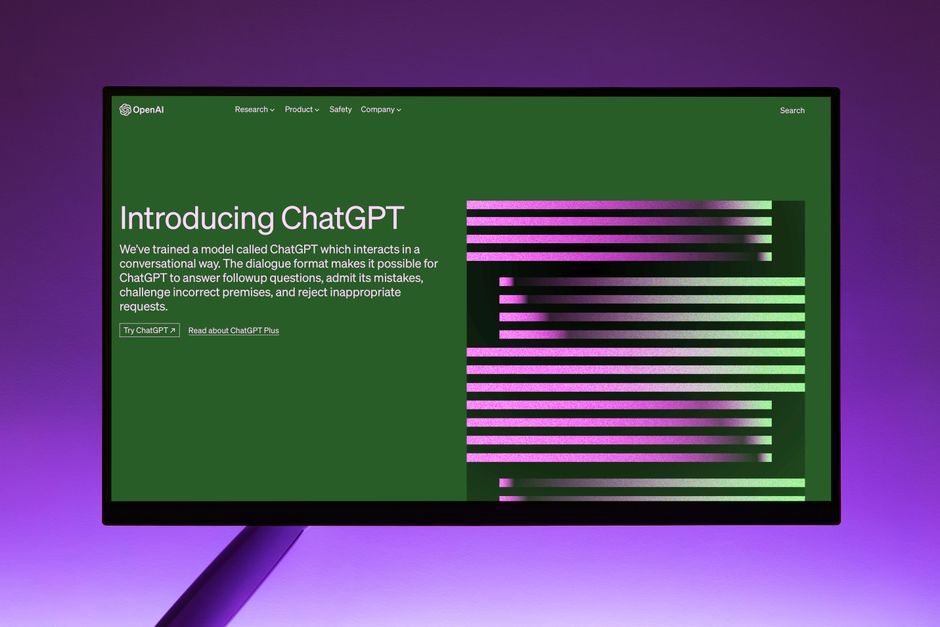
The digital landscape is constantly shifting, and if your website isn’t evolving with it, you risk being left behind. Forget the old rules of thumb; the rise of sophisticated AI tools like Google’s Gemini and OpenAI’s ChatGPT isn’t just changing how we create content – it’s fundamentally reshaping website development, design, and how your audience discovers you online. This isn’t about replacing human creativity or expertise, but about augmenting it, giving you superpowers to build a more effective, visible, and engaging web presence.
In this article, we’ll dive into practical, actionable strategies for leveraging these powerful AI co-pilots. We’ll explore how they can streamline your website design process, revolutionize your SEO strategy, and ensure your site stands out in an increasingly AI-driven search environment, including the growing importance of Google News and AI Overviews. Get ready to future-proof your digital footprint and unlock a new era of online discovery.
The New Digital Frontier: Why AI is Your Website’s Best Friend
For years, website development and SEO followed predictable paths. You researched keywords, built a user-friendly site, created content, and optimized for search engines. While those fundamentals still hold, the game has changed dramatically. Google’s algorithms are smarter, prioritizing E.E.A.T. (Experience, Expertise, Authoritativeness, Trustworthiness) more than ever, and AI Overviews are starting to summarize search results directly. Meanwhile, platforms like Google News are becoming crucial for timely content discovery.
This isn’t a threat; it’s an opportunity. Gemini and ChatGPT aren’t just fancy chatbots; they are powerful analytical and generative engines. They can process vast amounts of data, identify patterns, and generate creative solutions at speeds impossible for humans alone. When integrated thoughtfully into your website design and SEO strategy, they become invaluable tools for efficiency, innovation, and staying ahead of the curve.
Practical Strategies: AI-Powered Website Design & Development
Building a great website today goes beyond aesthetics. It needs to be intuitive, technically sound, and optimized for both human users and AI crawlers. Here’s how AI can assist:
Streamlining Design & User Experience (UX) with AI
- Competitor Analysis & Trend Spotting: Ask Gemini or ChatGPT to analyze competitor websites. “What are the common design patterns among top-ranking e-commerce sites in the [your niche] industry?” “Suggest UX improvements based on current mobile-first trends for a service-based website.” This can give you a rapid overview of best practices and emerging trends.
- Initial Wireframing & Layout Ideas: While AI won’t design your site, it can provide structural inspiration. “Generate three distinct landing page layout ideas for a SaaS product targeting small businesses, focusing on conversion.” “Suggest a navigation structure for a blog with over 50 categories.” This helps you rapidly iterate on concepts.
- Accessibility Checks & Improvements: AI can help identify potential accessibility issues. “Suggest color palettes with high contrast ratios for web design.” “Recommend alternative text descriptions for common image types in the [your industry] sector.”
- Content Structure & Readability: Before even writing, AI can help structure your content for better readability and flow, ensuring a positive user experience. “Outline a blog post about [topic] that is easy to scan and understand for a busy professional.”
Smarter Website Development Workflows
- Code Snippets & Debugging Assistance: For developers, AI can be a quick reference. “Write a basic CSS snippet to center a div horizontally and vertically.” “Explain why this JavaScript code might be causing an error: [paste code].” It’s not a replacement for understanding, but a powerful assistant.
- Schema Markup Generation: Crucial for SEO, schema markup helps search engines understand your content. AI can generate correct schema. “Create JSON-LD schema markup for a local business with address, phone, and opening hours.” “Generate product schema for an e-commerce item.”
- Sitemap & Robots.txt Suggestions: AI can help ensure your site is correctly indexed. “Suggest an optimal robots.txt file for a WordPress site.” “Outline a sitemap structure for a website with multiple service pages and a blog.”
- Automating Routine Tasks: From generating placeholder text to suggesting default settings, AI can take over repetitive, low-creative tasks, freeing up developers for more complex work.
Elevating Your SEO & Discovery with Gemini & ChatGPT
SEO is no longer just about keywords; it’s about understanding user intent, providing comprehensive answers, and establishing authority. AI can supercharge these efforts.
Unlocking Advanced Keyword Research & Content Strategy
- Beyond Basic Keywords: Ask AI to find semantic keywords, related questions, and long-tail variations that traditional tools might miss. “Generate a list of user questions related to ‘sustainable urban gardening’ for an FAQ section.” “Identify latent semantic indexing (LSI) keywords for an article on ‘quantum computing applications’.”
- Analyzing Search Intent: AI can help you understand why users are searching for certain terms. “What is the likely search intent (informational, navigational, transactional) behind the query ‘best budget laptops for students’?” This ensures your content directly addresses user needs.
- Brainstorming & Outlining: Use AI to brainstorm blog topics, create detailed article outlines, and even suggest compelling meta descriptions and titles. “Generate 10 blog post ideas about ‘remote work productivity hacks’.” “Create an outline for an in-depth guide on ‘advanced Google Analytics setup’.”
- Content Refinement: While AI shouldn’t write your final content, it can help refine drafts. “Improve the readability and flow of this paragraph.” “Suggest stronger calls to action for this sales page copy.” “Check this text for grammatical errors and awkward phrasing.”
Crafting Compelling Content for AI-Driven Search (and Humans!)
With AI Overviews and sophisticated ranking factors, your content needs to be exceptional. AI can help you get there faster:
- Drafting Unique Angles: Provide AI with a topic and ask it to suggest unique perspectives or data points. “Give me three fresh angles for an article about the future of renewable energy.”
- Optimizing for Featured Snippets & AI Overviews: AI can help structure answers in a clear, concise, question-answer format, increasing your chances of appearing in these prominent search features. “Rewrite this section to directly answer the question: ‘What is the difference between SEO and PPC?'”
- Integrating Multimedia Ideas: Ask AI for suggestions on how to make content more engaging. “What types of images or videos would best complement an article on ‘the history of artificial intelligence’?”
- Ensuring E.E.A.T. Integration: While AI can’t *be* an expert, it can help you structure content to showcase your expertise. “Suggest ways to naturally include author credentials and research sources in this scientific article.”
Boosting Visibility Beyond Traditional Search (Google News & PPC)
Your web presence extends beyond organic search results. AI can optimize your reach in other critical areas:
- Google News Optimization: For publishers and content creators, Google News is a powerful traffic driver. Ask AI to identify trending topics relevant to your niche. “What are the top 5 trending news topics in the [your industry] sector right now?” “Suggest headlines optimized for Google News for an article about [topic].” This helps you create timely, relevant content that can get picked up.
- Pay-Per-Click (PPC) Campaign Enhancements: AI excels at generating variations and analyzing data. “Generate 10 compelling ad headlines and descriptions for a Google Ads campaign targeting ‘online graphic design courses’.” “Analyze this PPC campaign data and suggest optimizations for ad copy and targeting.” This can significantly improve your ad performance and ROI.
- Local SEO Content Ideas: If you’re a local business, AI can help you brainstorm location-specific content. “Generate blog post ideas for a local bakery in [city, state] focusing on community events and seasonal offerings.”
The Human Element: Why Your Expertise Still Reigns Supreme
It’s crucial to remember that Gemini and ChatGPT are tools, not replacements. They lack genuine understanding, creativity, empathy, and the unique lived experience that forms the core of true E.E.A.T. Your role as a human creator, designer, and strategist is more important than ever:
- Fact-Checking & Accuracy: AI can hallucinate or provide outdated information. Always verify facts.
- Injecting Personality & Voice: AI can emulate, but it can’t authentically convey your brand’s unique voice and personality.
- Ethical Considerations: Ensure your use of AI is ethical, transparent, and aligns with Google’s guidelines regarding AI-generated content.
- Strategic Direction: AI can help execute, but it’s your human insight that sets the strategic direction, understands your audience’s deepest needs, and crafts truly innovative solutions.
Frequently Asked Questions (FAQ)
Q: Can AI write my entire website content for me?
A: While AI can generate extensive drafts, we strongly advise against using it to write your entire website content unsupervised. AI-generated text often lacks true originality, a distinct human voice, and can sometimes contain inaccuracies. It’s best used as a co-pilot for brainstorming, outlining, drafting, and refining, with significant human oversight and editing to inject your unique expertise and ensure factual accuracy and E.E.A.T.
Q: Is using AI for SEO “cheating” or against Google’s guidelines?
A: No, not if used responsibly. Google’s guidelines focus on the quality and helpfulness of content, regardless of how it’s produced. Using AI as a tool to improve efficiency, research, and content structure is acceptable. The key is that the final output must be high-quality, original, factually accurate, and provide value to the user. Content created