
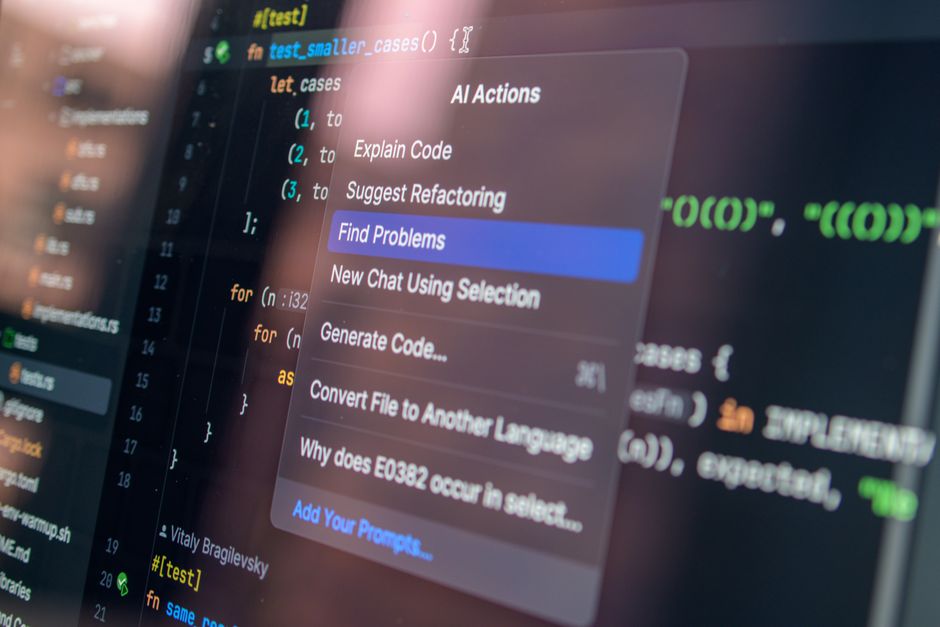
The digital landscape is a relentless ocean, constantly shifting with new trends, algorithms, and user expectations. For anyone involved in website development and website design, keeping a site not just afloat, but thriving, feels like an endless uphill battle. Traditional methods for SEO, pay per click (PPC), and even getting noticed by platforms like Google News are struggling to keep pace with the sheer volume of online competition.
But what if there was a way to navigate these turbulent waters with a powerful co-pilot? Enter Artificial Intelligence. We’re moving far beyond basic chatbots and simple content generation. Tools like Gemini and ChatGPT are no longer just novelties; they are becoming indispensable strategic partners, revolutionizing every stage of your website’s lifecycle. This isn’t about AI replacing human ingenuity, but augmenting it, turning your website into a proactive growth engine that anticipates needs, personalizes experiences, and consistently outperforms.
The New Era of Web Development: AI as Your Strategic Co-Pilot
Imagine a world where your website doesn’t just react to user behavior, but predicts it. Where your SEO strategy isn’t a shot in the dark, but a data-driven blueprint for dominance. This is the promise of integrating AI into your website development and ongoing digital marketing efforts. AI handles the heavy lifting of data analysis, pattern recognition, and rapid iteration, freeing you to focus on high-level strategy and creative problem-solving.
AI for Hyper-Personalized User Experience (UX/UI)
User experience (UX) and user interface (UI) design are critical for engagement and conversion. AI elevates this by introducing a layer of predictive intelligence:
- Predictive Design Insights: AI can analyze vast datasets of user behavior, eye-tracking studies, and conversion patterns across similar websites. This allows it to suggest optimal layouts, navigation structures, and content placement *before* you even start coding, significantly reducing design guesswork and iterative changes.
- Dynamic Content Delivery: Tools like Gemini and ChatGPT can generate multiple variations of headlines, calls-to-action (CTAs), and even entire page sections. These can then be dynamically served to different user segments based on their demographics, browsing history, or inferred intent, leading to a truly personalized experience.
- A/B Testing on Steroids: Instead of manually guessing what to test, AI can suggest the most impactful variations for A/B tests. It can then rapidly analyze results, identify winning elements, and even recommend further iterations, accelerating your optimization cycles.
AI-Enhanced SEO: From Keywords to Intent & Authority
SEO is no longer just about keywords; it’s about understanding user intent, building authority, and providing exceptional value. AI transforms your SEO strategy:
- Semantic SEO with AI: Moving beyond single keywords, Gemini and ChatGPT can perform deep topic research, identifying semantic clusters, related concepts, and the broader context of user queries. This helps you create comprehensive content that truly answers user questions and satisfies Google’s sophisticated understanding of language.
- Competitive Gap Analysis: AI can rapidly sift through competitor websites, their content strategies, backlink profiles, and SERP features. It identifies crucial content gaps, untapped keyword opportunities, and areas where your competitors are excelling, giving you a clear roadmap to outperform them.
- Schema Markup Generation: Generating complex structured data (schema markup) can be tedious. AI can assist in creating accurate schema for various content types (products, articles, recipes, FAQs), helping search engines understand your content better and increasing your chances of appearing in rich results.
- Predictive Ranking Signals: Advanced AI algorithms can analyze vast datasets to identify emerging ranking factors and anticipate future Google algorithm shifts. This allows you to proactively optimize your site, staying ahead of changes rather than constantly reacting to them.
Gemini & ChatGPT for Agile Content & Information Architecture
While AI can generate content, its true power lies in strategic assistance for content planning and structuring:
- Content Outlining & Structuring: Use Gemini or ChatGPT as a brainstorming partner to build logical, comprehensive content outlines. Input a topic, and AI can suggest key subheadings, related questions, and essential points to cover, ensuring your content is thorough and well-organized.
- Identifying Content Gaps: AI can analyze your existing site content and compare it against top-ranking competitors or user search queries to pinpoint missing information crucial for user engagement and SEO.
- Multilingual Content Strategy: For global reach, AI can assist in generating localized content variations and translation suggestions, ensuring that not only the words but also the tone and cultural context are appropriate for different audiences.
PPC Optimization: Precision Targeting & Ad Copy That Converts
Pay-per-click campaigns can be a black hole for budgets if not managed precisely. AI brings unparalleled precision:
- Audience Segmentation & Persona Development: AI analyzes market data, social media trends, and existing customer information to create highly granular audience segments and refine buyer personas. This allows for hyper-targeted ad campaigns that resonate deeply.
- Dynamic Ad Copy Generation: Gemini and ChatGPT can craft numerous ad variations, headlines, and descriptions, optimized for different ad platforms (e.g., Google Ads, social media) and specific audience segments. This iterative generation and testing significantly improve click-through rates (CTR) and conversion rates.
- Landing Page Optimization: AI can suggest improvements to landing page content, design elements, and calls-to-action based on ad performance, user behavior predictions, and conversion goals, ensuring a seamless user journey from ad click to conversion.
Cracking Google News & E.E.A.T. with AI
Getting your content featured in Google News can drive massive traffic and establish authority. AI can help navigate this competitive space:
- Trend Spotting: AI tools can continuously monitor news feeds, social media, and search trends to identify emerging topics and breaking news relevant to your niche. This allows you to create timely, newsworthy content that has a higher chance of being picked up.
- Authority Building (E.E.A.T.): Google heavily emphasizes E.E.A.T. (Experience, Expertise, Authoritativeness, Trustworthiness). Gemini and ChatGPT can assist in drafting content that demonstrates these qualities by suggesting authoritative sources, relevant data points, expert quotes, and structured arguments that build credibility.
- News-Friendly Content Structuring: AI can help format your content for quick readability and news aggregation, recommending concise headlines, clear summaries, and inverted pyramid structures often favored by news outlets, increasing your chances of Google News inclusion.
AI for Proactive Technical SEO & Site Health
A healthy website foundation is crucial. AI can act as a vigilant guardian for your site’s technical performance:
- Automated Site Audits: AI-powered tools can perform comprehensive technical SEO audits, identifying common issues like broken links, crawl errors, duplicate content, and slow page load times. They can then suggest specific, actionable fixes.
- Performance Bottleneck Identification: AI can analyze website code, server logs, and user interaction data to pinpoint specific areas causing slow performance (e.g., inefficient scripts, unoptimized images) and recommend targeted optimization strategies.
- Security Vulnerability Detection: Some AI tools can scan your website’s code and configurations for potential security weaknesses, helping you proactively patch vulnerabilities before they can be exploited.
Frequently Asked Questions (FAQ)
- Q: Is AI going to replace web developers and designers?
A: No, absolutely not. AI is a powerful tool designed to augment human creativity, efficiency, and decision-making. It excels at handling repetitive tasks, analyzing vast datasets, and generating initial drafts or ideas. This frees up human developers and designers to focus on higher-level strategy, critical thinking, complex problem-solving, and the