The Digital Shift: Why Your Website Needs an AI Upgrade
Remember when having a website was enough? Just a few years ago, a static online brochure could do the trick. Today? The internet moves at warp speed. Your audience expects more: faster loading times, personalized experiences, and content that’s always fresh and relevant. If your website feels like a digital relic, you’re not alone. Many businesses struggle to keep up with the ever-evolving demands of search engines, social media, and user expectations.
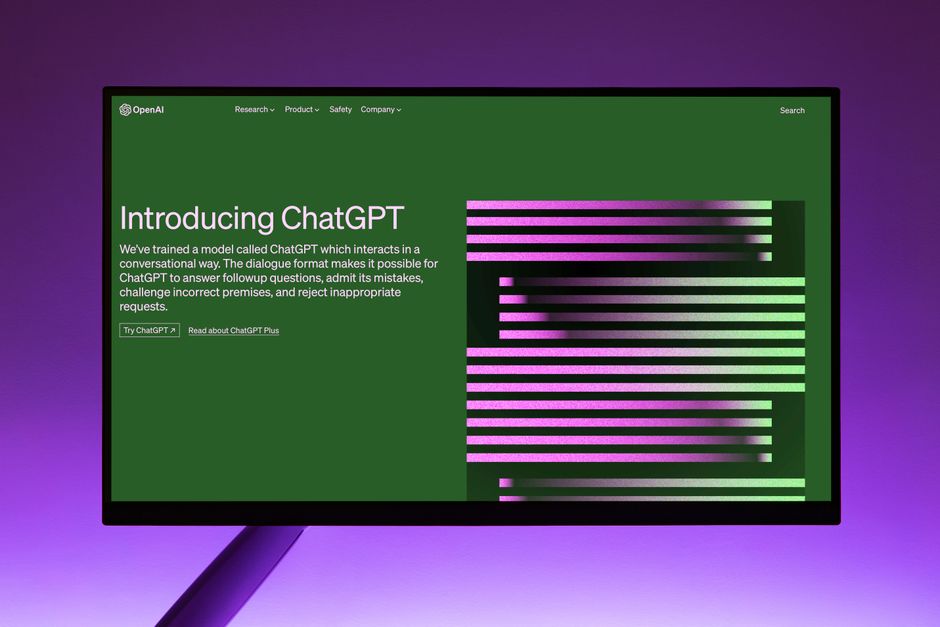
But what if you had a secret weapon? What if you could build and market a website that not only keeps pace but actually leads the pack, without needing an army of developers and marketers? Enter AI. Tools like Google’s Gemini and OpenAI’s ChatGPT aren’t just for writing essays anymore; they’re transforming how we approach website development, design, SEO, and even paid advertising. This isn’t about replacing human creativity; it’s about supercharging it, making your website a dynamic, intelligent growth engine.
The AI Revolution in Website Development & Design
Forget the old way of doing things. AI is now your co-pilot, helping you craft a website that’s not just beautiful, but also smart and effective.
From Concept to Code: AI as Your Co-Pilot in Design
Starting a new website or revamping an old one can be daunting. Where do you even begin with design? This is where Gemini and ChatGPT shine as your creative brainstorming partners:
- UI/UX Brainstorming: Stuck for ideas? Ask Gemini or ChatGPT to generate unique UI (User Interface) and UX (User Experience) concepts for your specific industry. “Give me five modern website layout ideas for an eco-friendly coffee shop, focusing on mobile-first design and a warm, inviting feel.”
- Wireframe & Sitemap Suggestions: Describe your website’s purpose and target audience, and these AIs can suggest logical site structures, navigation menus, and even basic wireframe components, helping you visualize the user journey before you even touch a design tool.
- Code Snippets & Optimization: While AI won’t build your entire site with a single prompt (yet!), it can be incredibly helpful for specific tasks. Need a responsive CSS grid? A JavaScript function for a dynamic carousel? Ask for it. You can even paste existing code and ask for suggestions to optimize it for speed or responsiveness. This saves hours of searching through documentation.
- Accessibility Checks: AI can help identify potential accessibility issues in your design or code, suggesting improvements to ensure your site is usable by everyone.
Crafting SEO-Dominant Content with AI Precision
Content is king, but SEO-friendly content is the emperor. Gemini and ChatGPT are game-changers for ensuring your website speaks Google’s language.
- Advanced Keyword Research: Beyond just listing keywords, ask AI to identify long-tail keywords, semantic related terms, and user intent behind search queries relevant to your niche. “Generate a list of long-tail keywords for ‘sustainable activewear’ with high commercial intent.”
- Content Generation & Expansion: Use AI to draft blog posts, product descriptions, service pages, and FAQs. Provide a topic and a few key points, and it can create well-structured, engaging copy. Remember, always review and humanize the output to ensure it aligns with your brand voice and offers genuine value.
- Meta Descriptions & Titles: These crucial SEO elements often get overlooked. AI can quickly generate compelling, keyword-rich meta descriptions and page titles that encourage clicks from search results.
- Content Optimization: Already have content? Paste it into Gemini or ChatGPT and ask for suggestions to improve its SEO performance, readability, and engagement. It can identify gaps, suggest related topics, and even rewrite sentences for clarity.
Turbocharging Your Pay-Per-Click (PPC) Campaigns
PPC campaigns can be expensive and complex. AI helps you get more bang for your buck by refining your ad strategy and creative.
- Ad Copy Generation: Create multiple variations of ad headlines and descriptions in seconds. Provide your product/service benefits, target audience, and desired call-to-action, and AI will craft compelling ad copy tailored for different platforms (Google Ads, social media).
- Keyword Expansion & Negative Keywords: Get suggestions for new, high-converting keywords to target, and crucially, identify negative keywords to prevent your ads from showing for irrelevant searches, saving you money.
- Landing Page Optimization: Ask AI to generate ideas for landing page content that directly aligns with your ad copy, ensuring a seamless user experience and higher conversion rates.
- Audience Persona Development: Describe your ideal customer, and AI can help you flesh out detailed audience personas, which are invaluable for targeting your PPC campaigns effectively.
Standing Out in Google News with AI-Assisted Content
For businesses that regularly publish news or time-sensitive content, getting featured in Google News can drive significant traffic. AI can streamline this process.
- News Summaries & Snippets: Quickly generate concise, engaging summaries of your articles, perfect for Google News snippets or social media shares.
- Trending Topic Identification: Keep an eye on current events and trending topics relevant to your industry. AI can help you identify these rapidly, allowing you to create timely content that has a higher chance of being picked up by news aggregators.
- Structured Data (Schema Markup): This is technical, but vital for news. AI can assist in generating the correct schema markup for your articles (e.g., Article, NewsArticle schema), which helps Google understand your content better and display it prominently in news results.
Dynamic Websites & Personalization: The Future is Now
Beyond static pages, AI is paving the way for truly dynamic and personalized website experiences, making your site more engaging and sticky.
- AI-Driven Content Recommendations: Imagine your website automatically suggesting relevant articles or products to users based on their browsing history. While requiring more advanced integration, AI models can power these recommendation engines.
- Personalized User Journeys: For more sophisticated setups, AI can help tailor the content, layout, or offers a user sees based on their demographics, past interactions, or even real-time behavior.
- Automated Content Refresh: AI can monitor your content’s performance and suggest when certain articles need updating or refreshing to maintain their SEO value and relevance.
Practical Steps to Integrate AI into Your Website Strategy
Feeling inspired? Here’s how to start leveraging Gemini and ChatGPT today:
- Start Small: Don’t try to overhaul everything at once. Pick one area, like generating blog post outlines or refining meta descriptions, and experiment.
- Learn Effective Prompting: The quality of AI output directly depends on the quality of your input. Learn to write clear, specific, and detailed prompts. Think of it as giving instructions to a very intelligent intern.
- Always Review and Refine: AI is a powerful tool, but it’s not infallible. Always fact-check, edit for accuracy, ensure brand voice consistency, and add your unique human touch.
- Explore AI-Powered Plugins & Tools: Beyond the chat interfaces, many platforms and plugins are integrating AI directly into website builders, SEO tools, and content management systems. Research options relevant to your current setup.
- Stay Curious: The AI landscape is evolving rapidly. Keep learning about new features, tools, and best practices to stay ahead.
FAQ: Your AI Website Questions Answered
Is AI going to replace web developers and marketers?
No, not entirely. Think of AI as an incredibly powerful assistant. It handles repetitive, data-intensive, and initial drafting tasks, freeing up developers and marketers to focus on higher-level strategy, creative problem-solving, human connection, and complex technical implementations that AI can’t yet manage. It augments, rather than replaces, human expertise.
Do I need to be a coding expert to use AI for my website?
Not necessarily! Many AI tools, especially the chat interfaces like Gemini and ChatGPT, are designed for natural language interaction. You can ask for code snippets without understanding every line. However, a basic understanding of web development concepts will help you interpret AI’s suggestions, integrate them effectively, and debug any issues. For marketers, understanding SEO and PPC principles is key to prompting AI effectively.
How much does it cost to use AI tools like Gemini and ChatGPT?
Both Gemini and ChatGPT offer free tiers that are surprisingly robust for individual users and small businesses. These free versions allow you to experiment and perform many of the tasks discussed. For more advanced features, higher usage limits, or integration into business workflows, paid subscriptions are available. The cost varies depending on the specific model, usage, and additional features you need.
What are the main limitations of using AI in website development and marketing?
While powerful, AI has limitations. It lacks genuine creativity, empathy, and critical thinking. It can sometimes “hallucinate” information, providing incorrect or nonsensical answers. AI also learns from existing data, which can perpetuate biases. Ethical considerations around data privacy, intellectual property, and algorithmic bias are ongoing. Human oversight and judgment remain crucial for quality, accuracy, and ethical deployment.
Conclusion: Embrace the AI Evolution
The digital world isn’t waiting, and neither should your website. By strategically integrating AI tools like Gemini and ChatGPT, you’re not just keeping up; you