
In the blink of an eye, the digital landscape changes. What was cutting-edge yesterday can feel outdated tomorrow. For anyone running a website – be it a small business, a burgeoning e-commerce store, or a personal portfolio – the challenge isn’t just building a great site, it’s keeping it great. It’s about ensuring it stays relevant, performs flawlessly, and continues to attract and engage your audience.
For too long, website maintenance and optimization have been reactive, slow, and often resource-intensive. You’d launch, then wait for issues to appear, or for performance to dip, before making changes. But what if you could be proactive? What if you had a tireless assistant constantly analyzing, suggesting, and even helping to implement improvements across your website’s entire lifecycle?
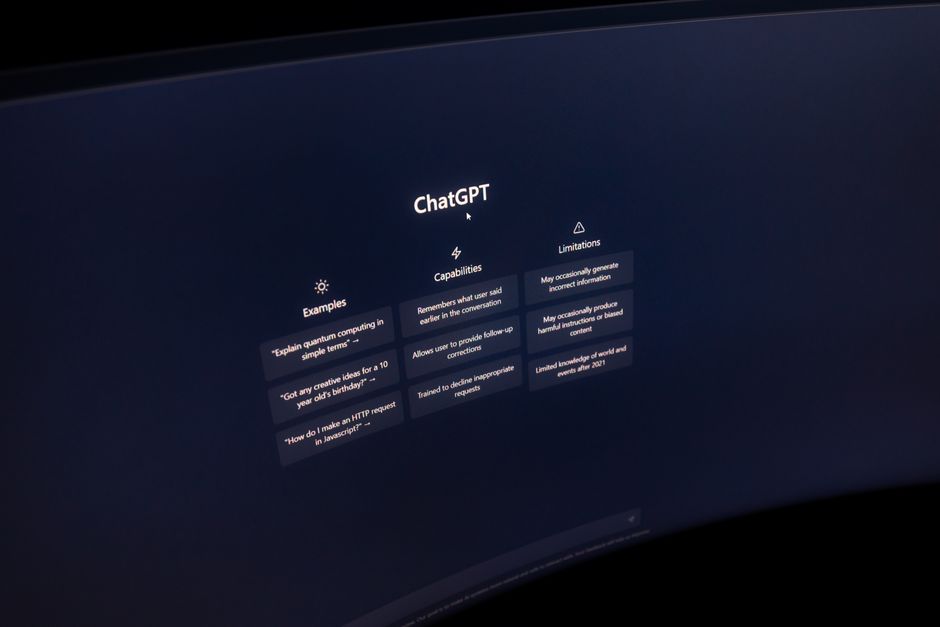
Enter Artificial Intelligence, specifically powerful large language models like Google’s Gemini and OpenAI’s ChatGPT. These aren’t just tools for writing essays; they are game-changers for website development, design, SEO, and even your pay-per-click (PPC) strategies. They’re not here to replace human ingenuity, but to amplify it, allowing your website to adapt, optimize, and truly evolve in real-time.
This article will show you how to leverage Gemini and ChatGPT as your website’s perpetual co-pilots, transforming it from a static online presence into a dynamic, future-proof asset that consistently delivers results. Get ready to move beyond the build and into an era of continuous digital excellence.
Leveraging AI for Continuous Website Excellence
The true power of AI in web development and marketing isn’t just in automating simple tasks, but in providing insights and capabilities that were once the exclusive domain of highly specialized and expensive experts. Here’s how you can integrate Gemini and ChatGPT into your ongoing website strategy:
AI for Proactive Website Design & UX Refinements
Your website’s design and user experience (UX) are never “done.” User behavior evolves, and so should your site. AI can act as your tireless UX researcher and designer’s assistant:
- User Behavior Analysis: Feed AI tools anonymized data from heatmaps, scroll maps, and analytics (e.g., bounce rates on specific pages, conversion funnels). Ask Gemini or ChatGPT to identify patterns, suggest friction points, and propose design changes to improve user flow and engagement.
- A/B Testing Ideas: Instead of guessing, ask AI for variations of headlines, button calls-to-action, image placements, or even entire page layouts. It can generate multiple options based on best practices and even predict which might perform better based on your target audience.
- Accessibility Checks: Use AI to review your website content and structure against accessibility guidelines (WCAG). It can highlight areas needing improvement, such as insufficient alt text, poor color contrast, or complex language, and suggest specific fixes.
- Personalized Design Suggestions: For dynamic content, AI can help tailor design elements or content blocks to individual user segments, creating a more personalized and effective experience.
Supercharging Your SEO Strategy with AI Insights
SEO is a marathon, not a sprint. AI tools are invaluable for staying ahead of algorithm changes and competitor strategies:
- Advanced Keyword Research: Go beyond basic keyword searches. Use Gemini or ChatGPT to uncover long-tail keywords, semantic variations, and user intent behind search queries. Ask it to identify emerging trends relevant to your niche that you might not have considered.
- Content Gap Analysis: Provide AI with your competitors’ top-performing pages and your own. Ask it to identify topics, keywords, and content types where your website is currently lacking, giving you a roadmap for new content creation.
- On-Page SEO Recommendations: Feed AI a page’s content and target keywords. It can suggest optimized meta descriptions, title tags, internal linking opportunities, and even improvements to heading structures for better search engine understanding.
- Technical SEO Audit Assistance: While not a full replacement for dedicated tools, AI can help you interpret technical audit reports. Ask it to explain complex errors (e.g., crawl budget issues, canonicalization problems) and suggest actionable steps for your development team.
- Schema Markup Generation: For specific content types (recipes, products, events), AI can help you generate correct schema markup JSON-LD snippets, making your content more visible in rich search results.
AI-Driven Content Generation & Refresh for Google News & Beyond
Content is king, but consistent, relevant content is the emperor. AI can significantly streamline your content pipeline:
- Trending Topic Identification: Integrate AI with news feeds, social media trends, and Google News. Ask it to identify timely and relevant topics that resonate with your audience and align with your niche, providing a constant stream of fresh content ideas.
- Content Outlines & Drafts: Need to write an article quickly? Provide AI with a topic, target keywords, and a desired tone. It can generate detailed outlines, compelling headlines, and even initial drafts of articles, blog posts, or social media updates. Remember, always review and humanize AI-generated content.
- Content Refresh & Optimization: Old content can be a goldmine. Feed AI an underperforming blog post. Ask it to suggest ways to update the information, improve readability, add new keywords, or restructure it for better engagement and SEO.
- Summarization & Repurposing: Use AI to summarize long articles into bullet points for social media, create short video scripts, or extract key takeaways for email newsletters, effectively repurposing your content across multiple channels.
Optimizing Pay-Per-Click (PPC) Campaigns with AI Precision
PPC campaigns can be complex and expensive. AI offers a competitive edge by bringing data-driven precision:
- Audience Segmentation & Targeting: Provide AI with your customer data and campaign goals. It can help refine audience segments, identify new targeting opportunities, and suggest demographic or interest-based criteria for more effective ad delivery.
- Ad Copy & Creative Ideas: Struggling with ad copy? Ask Gemini or ChatGPT to generate multiple variations of headlines, descriptions, and calls-to-action tailored to different ad groups or audiences. It can even suggest imagery or video concepts based on your campaign objectives.
- Negative Keyword Identification: AI can analyze your search query reports and suggest negative keywords that are draining your budget without leading to conversions, helping you refine your targeting and improve ROI.
- Performance Analysis & Bid Strategy: While AI doesn’t directly manage bids (that’s usually handled by platform algorithms), it can analyze campaign performance data and suggest adjustments to bid strategies, budget allocation, or even landing page improvements to boost conversion rates.
AI as Your Development & Troubleshooting Assistant
Even for the technical aspects of website development, AI can be a powerful ally, especially for smaller teams or non-developers:
- Code Snippet Generation: Need a quick piece of code for a specific function (e.g., a JavaScript snippet for a form validation, a CSS style for a responsive element)? Describe what you need, and AI can often provide a starting point.
- Debugging Assistance: Encountering an error? Paste your code and the error message into Gemini or ChatGPT. It can often pinpoint the problem, explain why it’s happening, and suggest potential fixes, saving you valuable debugging time.
- Best Practices & Security: Ask AI about modern web development best practices, security considerations, or efficient coding patterns for specific frameworks or languages. It can provide guidance to help you build more robust and secure websites.
- Understanding Documentation: Complex APIs or development documentation can be daunting. AI can help you understand specific functions, parameters, or concepts by explaining them in simpler terms or providing relevant examples.
Your AI & Website Optimization Questions Answered
Can AI replace my web developer or marketer?
No, absolutely not. AI tools like Gemini and ChatGPT are powerful assistants, but they lack human creativity, critical thinking, empathy, and the nuanced understanding of your brand and audience. They excel at data analysis, content generation, and task automation, freeing up your human team to focus on strategy, innovation, and relationship building. Think of AI as a force multiplier for your existing talent.
Which AI tool is better for website tasks, Gemini or ChatGPT?
Both Gemini and ChatGPT (especially their latest versions) are incredibly capable. Gemini often excels with multimodal inputs (images, video, text) and can have a slight edge in real-time information processing due to its direct integration with Google’s vast data. ChatGPT, particularly with its custom GPTs and plugin ecosystem, offers immense flexibility and can be highly tailored for specific workflows. The “better” tool often depends on the specific task and your personal preference. Many professionals use a combination of both.
How do I ensure AI-generated content is unique and SEO-friendly?
Always treat AI-generated content as a first draft. Review, edit, and humanize it. Add your unique voice, specific examples, and expert insights. Check for factual accuracy. For SEO, ensure it genuinely answers user intent, uses keywords naturally, and offers value beyond what AI alone can provide. While AI can help with originality checks, your human touch is what truly makes content unique and authoritative in Google’s eyes.
Is it ethical to use AI for website optimization?
Yes, when used responsibly and transparently. Using AI to improve efficiency, analyze data, and generate ideas is ethical. The key is to maintain human oversight, ensure accuracy, avoid deceptive practices (like generating fake reviews), and prioritize user experience. Transparency about AI assistance (where appropriate) and adherence to ethical AI guidelines are crucial.
What’s the biggest mistake people make using AI for their website?
The biggest mistake is over-reliance without human oversight. Treating AI outputs as final without critical review can lead to inaccurate information, generic content, missed nuances, or even technical errors. Another mistake is expecting AI to magically solve all problems without proper prompting or understanding its limitations. AI is a tool; its effectiveness depends on the skill of the user.
Conclusion
The digital world is constantly in motion, and your website can no longer afford to be a static entity. The advent of sophisticated AI tools like
