
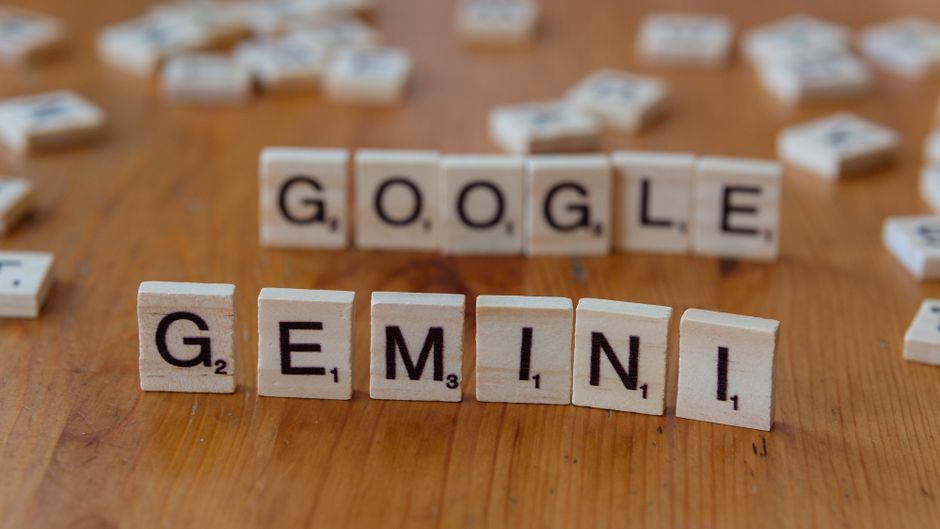
The digital landscape is constantly shifting, and staying ahead means more than just having a website. It means having a website that’s not only visually appealing and user-friendly but also intelligently designed to adapt to future trends and technologies. We’re seeing a massive wave of AI integration, and tools like Google’s Gemini are poised to revolutionize how we approach website development and SEO. Forget the old checklists; let’s dive into a fresh, practical approach to building websites that are truly future-proof, leveraging the power of AI.
The AI Advantage: How Gemini is Reshaping Website Development
For years, website development has followed a relatively predictable path. We’ve focused on responsive design, clean code, and robust content. While these fundamentals remain crucial, AI, particularly advanced models like Gemini, introduces a new layer of intelligence and automation. Gemini isn’t just about generating text; it’s about understanding context, predicting user needs, and even assisting in the creative and technical processes of building a website.
From Static Pages to Dynamic Experiences
Traditionally, website content was largely static, updated manually. With Gemini’s capabilities, we can envision truly dynamic websites that adapt in real-time. Imagine a website that can:
- Personalize Content on the Fly: Gemini can analyze user behavior and preferences to tailor the content displayed, making each visitor’s experience unique and more engaging. This goes beyond simple segmentation; it’s about deep, contextual personalization.
- Generate Contextual Explanations: If a user is struggling with a complex product or service, Gemini could proactively offer simplified explanations or interactive tutorials, improving user understanding and reducing bounce rates.
- Automate Content Updates: For sites that require frequent information refreshes (like news aggregators or market analysis platforms), Gemini can help automate the process of summarizing, rephrasing, and publishing new content, ensuring freshness and relevance.
- Enhance User Interaction: Think beyond basic chatbots. Gemini can power sophisticated conversational interfaces that guide users through complex tasks, provide personalized recommendations, and even assist in the sales process.
AI in the Design Process
Website design is also being transformed. While human creativity is irreplaceable, AI can act as a powerful co-pilot:
- Accelerated Wireframing and Prototyping: Describe your desired layout and functionality, and Gemini can generate initial wireframes or even basic code structures, saving significant time in the early stages.
- A/B Testing on Steroids: AI can go beyond simple A/B testing of headlines. It can analyze user interaction patterns and suggest nuanced variations of design elements, copy, and calls to action for more effective optimization.
- Accessibility Audits and Improvements: AI can quickly identify accessibility issues that might be missed by manual checks, ensuring your website is inclusive for all users.
SEO in the Age of AI: Thinking Beyond Keywords
Search Engine Optimization (SEO) has always been about helping search engines understand your content. With AI playing a bigger role in how search engines like Google interpret information, our SEO strategies need to evolve. Google’s own AI advancements, including those powering Gemini, mean that the focus is shifting from keyword stuffing to providing genuine value and answering user intent comprehensively.
The Gemini Effect on Search Intent
Google is increasingly prioritizing content that deeply satisfies a user’s query. This is where Gemini’s contextual understanding becomes a game-changer for SEO:
- Focus on Topic Clusters, Not Just Keywords: Instead of targeting individual keywords, build comprehensive topic clusters that cover a subject from multiple angles. Gemini can help identify related subtopics and questions users are asking.
- Answer “Why” and “How” Questions: AI-powered search is excellent at answering complex questions. Your content should aim to provide thorough, nuanced answers, demonstrating expertise and authority.
- Embrace Natural Language: Write as you speak. AI can better understand conversational language, so avoid jargon and overly technical phrasing where possible.
- Structured Data for Clarity: While always important, structured data (like Schema.org markup) becomes even more critical for AI to easily parse and understand the context of your information.
Integrating AI for SEO Tasks
You don’t need to be a data scientist to leverage AI for SEO. Tools are emerging that integrate AI to assist with common tasks:
- AI-Powered Content Ideation: Use AI tools to brainstorm blog post ideas, identify trending topics within your niche, and understand what questions your target audience is asking.
- Content Optimization Suggestions: AI can analyze your existing content and suggest improvements for clarity, readability, and relevance to target search intent.
- Competitor Analysis: AI can help you analyze competitor content strategies, identify gaps, and uncover opportunities.
Beyond Organic: Pay-Per-Click (PPC) and AI Synergy
Pay-per-click advertising, while distinct from organic SEO, also benefits immensely from AI. Google Ads, for example, is heavily reliant on AI to match ads with relevant searches and optimize campaign performance.
Smart Bidding and Audience Targeting
Google’s smart bidding strategies use machine learning to optimize bids for conversions, clicks, or other goals. Gemini’s ability to understand user intent can further refine this:
- More Granular Audience Segmentation: AI can help identify hyper-specific audience segments based on subtle behavioral cues, leading to more effective targeting in PPC campaigns.
- Dynamic Ad Creative: Imagine ads that can dynamically adjust their messaging and calls to action based on the user’s search query and inferred intent, powered by AI.
- Predictive Performance Analysis: AI can help predict the potential performance of different ad creatives and targeting strategies before you even launch them.
The Role of Google News in AI-Driven Content
For businesses that rely on timely information and authority, being featured in Google News can be a significant SEO boost. AI plays a crucial role here too:
- Content Freshness and Authority: Google News prioritizes original, timely, and authoritative content. AI can help you identify breaking news relevant to your industry and assist in crafting timely, well-researched articles.
- Structured News Content: Adhering to Google News guidelines for structured data and content formatting is essential. AI can help ensure your content is structured correctly for potential inclusion.
- Understanding Editorial Standards: While AI can assist, human editorial oversight is critical for maintaining the quality and factual accuracy required for Google News.
Practical Tips for Building Your Future-Proof Website
Here’s how you can start implementing these AI-driven strategies:
- Embrace AI Tools for Research: Start experimenting with AI tools for content ideation, keyword research (with a focus on intent), and competitor analysis.
- Prioritize User Experience (UX): AI can enhance UX, but a strong foundation of intuitive navigation, fast loading speeds, and mobile-friendliness is paramount.
- Focus on Comprehensive Content: Aim to be the definitive resource for your chosen topics. Answer all related questions and provide in-depth information.
- Implement Structured Data Diligently: Use Schema.org markup to help search engines and AI understand the context of your content.
- Experiment with Conversational Interfaces: Consider how AI-powered chatbots or virtual assistants could enhance user interaction on your site.
- Stay Updated on AI Developments: The AI landscape is evolving rapidly. Make it a habit to learn about new tools and best practices.
- Don’t Forget the Human Element: AI is a powerful assistant, but human creativity, critical thinking, and ethical considerations remain essential for building truly impactful websites.
Frequently Asked Questions (FAQ)
Q1: Will AI like Gemini replace website developers and SEO professionals?
A1: No, AI is more likely to augment their roles. AI can automate repetitive tasks, generate initial drafts, and provide data-driven insights, freeing up professionals to focus on strategy, creativity, and complex problem-solving.
Q2: How can I start using AI for my website without a big budget?
A2: Many AI tools offer free tiers or affordable subscriptions. Start with AI-powered writing assistants for content ideas, grammar checks, and summarization. Explore AI features within existing platforms like Google Ads.
Q3: Is it possible to over-optimize for AI in SEO?
A3: Yes, just as with keyword stuffing, trying to artificially manipulate AI can backfire. The focus should always be on creating genuine value and answering user intent naturally. AI is designed to detect inauthentic efforts.
Q4: How does Gemini differ from ChatGPT for website development?
A4: While both are powerful language models, Gemini is designed to be multimodal, meaning it can understand and process different types of information (text, images, audio, video) more seamlessly. This could lead to more integrated website development experiences where AI can analyze visual elements or user interaction recordings, not just text.
Q5: How can I ensure my website is future-proof against AI advancements?
A5: Focus on core principles: exceptional user experience, high-quality, original content, adaptability, and a commitment to learning. Building a foundation that prioritizes user needs and provides genuine value will always be resilient to technological shifts.
Conclusion
The integration of AI, particularly models like Gemini, into website development and SEO is not a distant future; it’s a present reality. By shifting our focus from outdated tactics to a more intelligent, AI-assisted approach, we can build websites that are not only effective today but also resilient and adaptable for tomorrow. Embrace these new tools, prioritize user intent, and remember that the most successful websites will be those that blend the power of AI with human ingenuity and a deep understanding of what users truly need.