
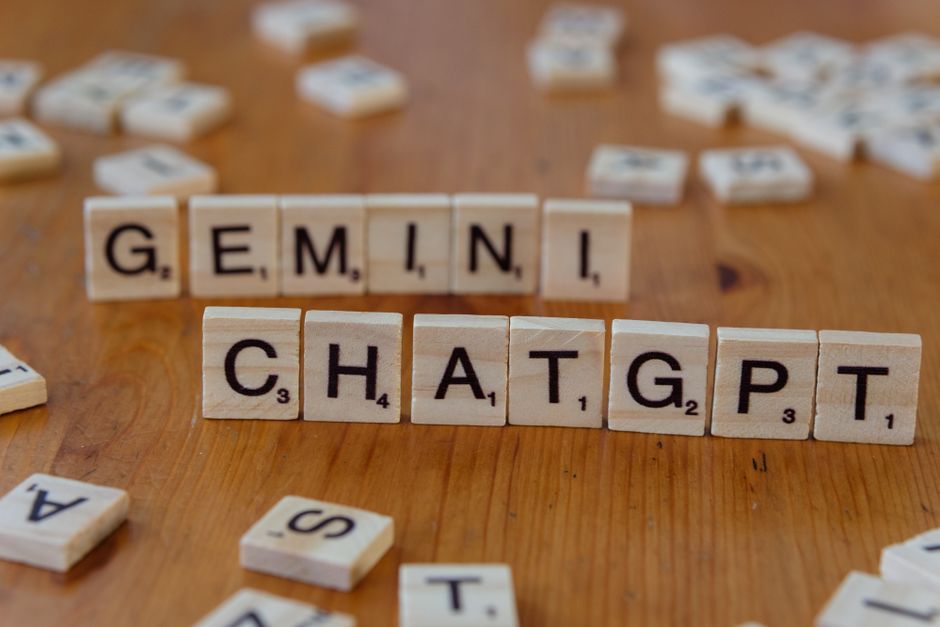
You’ve probably heard the buzz. AI is here, and it’s going to revolutionize everything, including how you build and market your website. Tools like Google’s Gemini and OpenAI’s ChatGPT are making waves. But beyond the hype, what does this actually mean for your website development and design projects? Are they magic wands for instant SEO success, or just fancy chatbots? Let’s cut through the noise and explore the practical, actionable ways these AI tools can genuinely enhance your next website endeavor, from initial design concepts to driving traffic through pay-per-click (PPC) campaigns and even getting noticed on Google News.
From Blank Canvas to Brilliant Design: AI as Your Creative Partner
For many, the hardest part of website design is starting. Staring at a blank screen can be daunting. This is where Gemini and ChatGPT can shine, not as replacements for human designers, but as powerful brainstorming partners and idea generators.
Unlocking Design Inspiration
Think of these AI tools as your super-powered mood board. Instead of endless scrolling through Pinterest or design blogs, you can ask specific questions:
- “Generate 10 unique color palette ideas for a sustainable fashion brand’s website.”
- “Suggest innovative layout structures for a photography portfolio website that prioritizes visual impact.”
- “Describe three distinct user interface (UI) styles that would work well for a minimalist productivity app.”
The AI can provide descriptions, color codes, and even conceptual layouts that you can then translate into visual mockups using your preferred design software. This can significantly speed up the initial ideation phase and help you discover aesthetic directions you might not have considered.
Wireframing and User Flow Assistance
While AI can’t create a fully functional wireframe, it can help you map out the user journey. You can prompt it with scenarios like:
- “Outline the key steps a user would take to purchase a product on an e-commerce site, from landing page to checkout confirmation.”
- “Suggest the essential pages and navigation elements for a service-based business website.”
This helps ensure you’re thinking logically about user experience (UX) from the outset, leading to a more intuitive and effective website design.
Website Development: Streamlining the Code and Content Creation
For website developers, AI offers a different kind of assistance – helping to write code, generate content, and even identify potential issues.
Coding Assistance and Debugging
While you won’t be asking Gemini or ChatGPT to build your entire website from scratch, they can be incredibly useful for specific coding tasks:
- Code Snippets: Need a JavaScript function to validate an email address? Or a CSS snippet for a responsive navigation bar? AI can often provide these directly.
- Explaining Code: If you encounter a piece of code you don’t understand, you can paste it into the AI and ask for an explanation.
- Debugging: While not foolproof, you can describe an error message or a bug you’re experiencing, and the AI might offer potential solutions or debugging strategies.
It’s crucial to remember that AI-generated code should always be reviewed and tested by a human developer to ensure accuracy, security, and adherence to best practices.
Content Generation for Pages and Posts
Content is king, and AI can be a powerful ally in creating it. This is especially useful for blog posts, product descriptions, and meta descriptions.
- Drafting Blog Posts: Provide an outline or a few keywords, and the AI can generate a draft for your blog post. You’ll then need to edit, fact-check, and add your unique voice.
- Writing Product Descriptions: For e-commerce sites, AI can quickly generate compelling descriptions that highlight features and benefits.
- Creating Meta Descriptions and Titles: These are vital for SEO. AI can suggest several options based on your page content and target keywords, helping you craft click-worthy snippets for search results.
The key here is to use AI as a starting point, not a final product. Human oversight is essential for authenticity, accuracy, and a truly engaging tone.
SEO and Content Optimization: AI as Your Digital Strategist
Search Engine Optimization (SEO) is a continuous process, and AI tools can significantly enhance your strategies.
Keyword Research and Topic Ideation
Beyond simple keyword lists, AI can help you understand user intent more deeply:
- “What are the most common questions people ask about [your niche]?”
- “Suggest long-tail keywords related to [your product/service] that indicate high purchase intent.”
- “Identify emerging trends or topics within [your industry] that I can create content around.”
This allows you to create content that directly addresses what your target audience is searching for.
On-Page Optimization Suggestions
Once you have your content, AI can help refine it for search engines:
- “Analyze this blog post for SEO and suggest improvements to keyword density, readability, and internal linking.”
- “Generate alternative headings and subheadings for this article that incorporate relevant keywords.”
These suggestions can guide you in making your content more discoverable by search engines.
Pay Per Click (PPC) and Google News: Targeted Campaigns and Wider Reach
The application of AI extends beyond organic search to paid advertising and news distribution.
Crafting Effective PPC Ad Copy
For PPC campaigns, every word counts. AI can help you generate compelling ad copy that resonates with your target audience:
- “Write three variations of a Google Ads headline for a service offering [specific service] targeting [specific demographic].”
- “Suggest persuasive ad body copy for a limited-time offer on [your product].”
- “Brainstorm call-to-actions (CTAs) for a landing page designed to capture leads.”
By testing different AI-generated ad variations, you can identify what performs best and optimize your ad spend.
Getting Noticed on Google News
While getting featured on Google News is a complex process with strict editorial guidelines, AI can assist in preparing your content for this platform:
- Content Formatting: Ensure your articles are well-structured, clear, and concise, adhering to journalistic standards. AI can help you refine your writing style to be more objective and informative.
- Headline Crafting: Google News headlines need to be accurate, engaging, and informative. AI can help you brainstorm multiple headline options that adhere to these principles.
- Identifying Newsworthy Angles: While AI can’t create genuine news, it can help you identify trends or data points within your industry that could be framed as newsworthy if they are indeed significant and original.
Remember, Google News prioritizes original, authoritative reporting. AI is a tool to help you present your genuine news in the best possible light, not to manufacture it.
Frequently Asked Questions (FAQ)
Can AI replace human website designers and developers?
No, not entirely. AI can assist with repetitive tasks, generate ideas, and provide drafts, but human creativity, critical thinking, problem-solving, and understanding of nuanced user needs remain indispensable. AI is a powerful co-pilot, not an autonomous pilot.
Is AI-generated content good for SEO?
AI-generated content can be a good starting point for SEO, but it requires significant human editing and fact-checking. Search engines like Google prioritize high-quality, original, and helpful content. Unedited AI content can be generic, repetitive, or even inaccurate, which can harm your SEO.
How can I ensure the AI-generated code is safe and efficient?
Always have a human developer review and test any code generated by AI. AI can make mistakes, introduce security vulnerabilities, or produce inefficient code. Thorough testing and adherence to coding best practices are essential.
What are the limitations of using Gemini or ChatGPT for website projects?
Limitations include potential for inaccuracies, lack of true creativity or emotional intelligence, dependence on the data they were trained on, and the need for human oversight. They cannot understand context or nuance in the same way a human can.
How do I get started using AI for my website?
Start small. Experiment with generating blog post ideas, drafting social media captions, or asking for design inspiration. As you become more comfortable, you can explore more advanced applications like code assistance or PPC ad copy generation. Always use these tools as enhancements, not replacements, for your existing workflows.
Conclusion: Embracing AI as a Powerful Enhancement
The integration of AI tools like Gemini and ChatGPT into website development, design, and marketing is not about replacing human expertise, but about augmenting it. By leveraging these technologies strategically, you can accelerate your workflows, unlock new creative possibilities, and gain a competitive edge in areas like SEO and PPC advertising. The key is to approach AI with a clear understanding of its capabilities and limitations, using it as a smart assistant to enhance your human ingenuity. So, as you embark on your next website project, don’t just follow the buzz; harness the practical power of AI to build something truly exceptional.
