
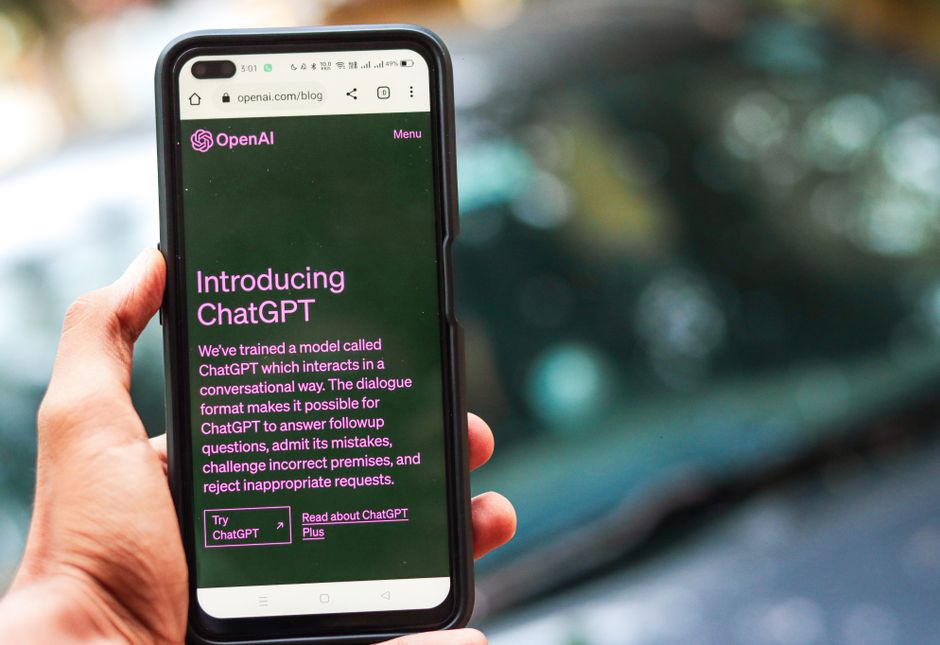
We’re living in an AI-powered world, and the buzz around tools like Gemini and ChatGPT is impossible to ignore. But beyond the initial “wow” factor, what does this actually mean for your website? If you’re a business owner or marketer, you’re probably wondering how to leverage these powerful language models to improve your website development, design, SEO, and even your advertising efforts. Forget the futuristic promises; let’s talk about the practical, actionable ways AI is already making a difference, and how you can get ahead of the curve.
Unlocking New Possibilities: AI in Website Development & Design
For years, website development and design have been about translating creative ideas into functional, aesthetically pleasing online experiences. Now, AI is stepping in as a powerful co-pilot, not a replacement. Think of it as having an incredibly intelligent assistant who can speed up your workflow and offer fresh perspectives.
From Idea to Wireframe: AI-Assisted Design
Staring at a blank canvas can be daunting. AI tools can help overcome this hurdle. Instead of spending hours sketching out basic layouts, you can use AI to generate initial wireframe concepts based on your input. Describe your target audience, your brand’s core message, and the primary goals of your website, and AI can present you with several structural ideas. This isn’t about letting AI design your entire site, but about getting a jumpstart on the creative process. You can then take these AI-generated concepts and refine them with your human expertise and brand knowledge.
Streamlining Development with AI
In the realm of website development, AI can be a game-changer for repetitive tasks. Think about generating boilerplate code, writing basic scripts, or even identifying potential bugs before they become major issues. AI can analyze your code and suggest optimizations for performance and security. For developers, this means less time spent on mundane tasks and more time focusing on complex problem-solving and innovative features. It’s about making the development cycle faster and more efficient, leading to quicker project turnarounds and potentially lower development costs.
SEO in the Age of AI: Rethinking Your Strategy
Search Engine Optimization (SEO) is constantly evolving, and AI is a significant driver of that change. Google’s algorithms are becoming increasingly sophisticated, and AI language models are playing a role in how content is understood and ranked. This means your SEO strategy needs to adapt.
Content Creation with an AI Edge
The days of keyword stuffing are long gone. Modern SEO is about creating high-quality, valuable content that genuinely answers user queries. AI can assist here by helping you identify content gaps, brainstorm topic ideas based on trending searches, and even generate initial drafts of articles. However, the crucial element remains human oversight. AI-generated content needs to be fact-checked, imbued with your brand’s unique voice, and optimized for readability and user experience. Think of AI as a research assistant and a first-draft generator, not a fully autonomous content creator. You still need to be the storyteller.
Understanding User Intent with AI Insights
One of the most powerful applications of AI in SEO is its ability to help you understand user intent more deeply. By analyzing vast amounts of data, AI can reveal what users are *really* looking for when they type a query into a search engine. This goes beyond simple keywords and delves into the underlying needs and questions. For website owners, this means you can tailor your content and website structure to directly address those needs, leading to higher engagement and better search rankings. Tools can also help you analyze competitor content to see what’s working for them and identify opportunities.
The Rise of Google News and AI
Google News is a prime example of how AI is curating information. Its algorithms are designed to identify and surface the most relevant and authoritative news stories. For businesses, this presents an opportunity to get their content seen by a wider audience. If you’re producing timely, informative content that aligns with current events or industry trends, AI-powered platforms like Google News can help distribute it. This requires a focus on creating credible, well-researched content that is genuinely newsworthy. Think about press releases, expert opinions, and insightful analysis related to your industry.
Pay-Per-Click (PPC) Advertising: Smarter Spending with AI
Pay-per-click advertising, while effective, can be a complex and often expensive endeavor. AI is revolutionizing PPC by enabling more precise targeting, smarter bidding strategies, and more effective ad creation.
AI-Powered Audience Segmentation
Gone are the days of broad audience targeting. AI can analyze user data to identify incredibly specific audience segments based on their interests, behaviors, and demographics. This means your ads are shown to people who are most likely to be interested in your products or services, leading to higher conversion rates and a better return on your advertising investment. Instead of guessing who your ideal customer is, AI can provide data-driven insights.
Automated Bidding and Budget Optimization
Managing bids and budgets in PPC campaigns can be a full-time job. AI can automate this process, constantly adjusting bids based on real-time performance data and market conditions. This ensures you’re not overpaying for clicks and that your budget is allocated to the most effective campaigns. AI can also predict which keywords and ad variations are likely to perform best, allowing for proactive optimization.
AI-Assisted Ad Copy and Creative
Crafting compelling ad copy that resonates with your target audience is an art. AI can assist by generating multiple ad variations based on your product descriptions and target audience profiles. It can also analyze the performance of existing ads to suggest improvements or identify which elements are driving the most engagement. This allows for rapid A/B testing and optimization of your ad creatives, leading to more effective campaigns.
Practical Tips for Integrating AI into Your Website Strategy
Ready to harness the power of AI? Here’s how to start:
- Start Small: Don’t try to overhaul your entire website strategy at once. Begin by experimenting with AI for specific tasks, like generating content ideas or drafting social media posts.
- Choose the Right Tools: Research and select AI tools that align with your specific needs and budget. There are many options available, from general-purpose language models to specialized SEO and design tools.
- Maintain Human Oversight: Remember that AI is a tool, not a replacement for human creativity and expertise. Always review, edit, and refine AI-generated content and suggestions.
- Focus on User Experience: AI should enhance, not detract from, the user experience on your website. Ensure that AI-powered features are intuitive and add value for your visitors.
- Stay Informed: The AI landscape is evolving rapidly. Keep up with new developments and best practices to ensure your strategy remains current.
- Data Privacy is Key: Be mindful of data privacy regulations when using AI tools that collect or process user data. Ensure compliance with GDPR, CCPA, and other relevant laws.
Frequently Asked Questions About AI and Websites
Q1: Will AI replace website designers and developers?
A1: No, AI is more likely to augment the roles of designers and developers. It can automate repetitive tasks, provide creative inspiration, and speed up workflows, allowing human professionals to focus on higher-level strategy, complex problem-solving, and client relationships.
Q2: How can I use AI to improve my website’s SEO without sounding robotic?
A2: Use AI as a research and drafting assistant. Generate topic ideas, outline articles, and get initial drafts. Then, meticulously edit and rewrite the content in your brand’s voice, ensuring it’s factual, engaging, and offers unique value to your readers. Focus on answering user intent comprehensively.
Q3: Is AI useful for small businesses with limited budgets?
A3: Absolutely. Many AI tools offer free or affordable plans. For small businesses, AI can help automate marketing tasks, generate content, and optimize ad spend, freeing up valuable time and resources that can be reinvested in other areas of the business.
Q4: How does AI impact Google News and content visibility?
A4: AI plays a significant role in how Google News curates and ranks content. By creating high-quality, timely, and authoritative content that addresses current events or industry trends, you increase your chances of being featured and gaining visibility through AI-driven platforms.
Q5: What are the biggest risks of using AI in website development?
A5: Potential risks include over-reliance on AI leading to a lack of human creativity, the generation of inaccurate or biased information, potential security vulnerabilities if AI-generated code isn’t thoroughly reviewed, and ethical concerns regarding data usage and AI bias.
Conclusion: Embracing the AI Evolution
The integration of AI language models into website development, design, SEO, and PPC is not a distant future; it’s happening now. By understanding its practical applications and adopting a strategic, human-centric approach, you can leverage these powerful tools to build more effective, engaging, and successful websites. Don’t get lost in the hype; focus on how AI can genuinely enhance your online presence and drive tangible results for your business. The future of your website is being shaped by AI, and by embracing it wisely, you can ensure it’s a future of growth and innovation.