
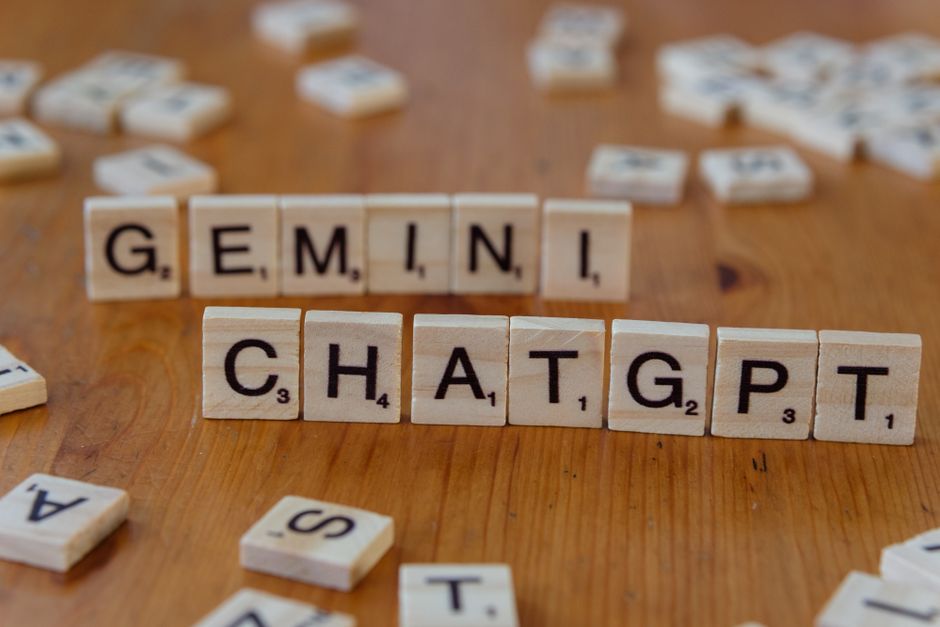
The world of online presence is constantly shifting, and if you’re running a business or managing a website, you’ve likely heard the rumblings about AI. Tools like Google’s Gemini and OpenAI’s ChatGPT are making waves, promising to revolutionize everything from content creation to customer service. But beyond the hype, how can these powerful AI assistants actually translate into tangible improvements for your website’s SEO and your online marketing efforts? And crucially, can you leverage them without needing a massive budget or a team of data scientists?
The answer is a resounding yes. While AI isn’t a magic bullet, it’s a powerful amplifier. Think of it as an incredibly intelligent intern who can help you tackle time-consuming tasks, uncover new insights, and even brainstorm innovative strategies. This article will cut through the noise and show you practical, actionable ways to integrate AI into your website development, design, and SEO strategy, focusing on current user intent and delivering real value.
Unlocking Your Website’s Potential with AI: A Practical Guide
Let’s dive into specific areas where AI can make a significant difference. We’ll focus on how Gemini and ChatGPT can assist with website development and design decisions, improve your SEO efforts, and even inform your Pay-Per-Click (PPC) campaigns.
AI as Your Website Development & Design Co-Pilot
When you’re building or revamping a website, a lot of factors go into making it user-friendly, visually appealing, and functionally sound. AI can be a fantastic brainstorming partner and a source of quick feedback.
- User Journey Mapping: Before you even start coding, understanding how users will navigate your site is crucial. You can prompt AI with your target audience’s demographics and their likely goals. For example: “Imagine I’m a small business owner looking for a web designer. What are the top 5 things I’d want to see on a web design agency’s homepage?” AI can generate user personas and outline potential user journeys, helping you design an intuitive site structure.
- Content Structure and Hierarchy: Good website design isn’t just about aesthetics; it’s about clear information architecture. Ask AI to suggest logical ways to organize content for a specific industry or service. For instance: “For a local bakery website, what are the most important sections and how should they be prioritized on the homepage?” This can lead to better navigation and improved user experience, which indirectly benefits SEO.
- A/B Testing Ideas: While AI can’t run the tests for you, it can generate creative ideas for A/B testing elements on your website. Prompt it with: “Suggest 5 different headline variations for a landing page selling online yoga classes, focusing on different emotional appeals.” This can help you optimize conversion rates and user engagement.
- Accessibility Checks (Conceptual): While AI tools aren’t a replacement for rigorous accessibility testing, they can offer initial suggestions. You can ask: “What are common accessibility issues for websites and how can a designer address them early on?” This prompts discussions and awareness around inclusive design.
Supercharging Your SEO Strategy with AI
This is where AI truly shines. SEO is an ongoing process that requires constant research, analysis, and content optimization. Gemini and ChatGPT can be invaluable allies.
- Keyword Research Beyond the Obvious: Move past basic keyword tools. Ask AI to brainstorm long-tail keywords, question-based queries, and semantic variations related to your niche. For example: “What are the most common questions people ask about sustainable fashion when searching online?” or “Generate a list of long-tail keywords for a freelance photographer specializing in pet portraits.” This helps you capture a wider audience and target more specific user intent.
- Content Idea Generation and Outline Creation: Stuck on what to write about? AI can generate an endless stream of blog post ideas, article topics, and even video script concepts based on your keywords and industry. You can then ask it to create detailed outlines. Example: “Create a blog post outline for ‘The Benefits of Local SEO for Small Businesses,’ including sections on local pack rankings, customer reviews, and Google My Business optimization.”
- Content Refinement and Optimization: Once you have content, AI can help you polish it for SEO. Ask it to:
- Suggest ways to naturally incorporate target keywords.
- Identify opportunities to improve readability and flow.
- Summarize lengthy content for meta descriptions or social media snippets.
- Rephrase sentences for clarity and conciseness.
For instance: “Review this paragraph about website hosting and suggest ways to naturally include the keyword ‘managed WordPress hosting’.”
- Understanding Search Intent: AI can help you decipher what users are *really* looking for when they type a query. Ask it: “What is the likely search intent behind the query ‘best cheap web hosting’?” This understanding is crucial for creating content that directly answers user needs, a cornerstone of modern SEO.
- Competitor Analysis Insights: While AI can’t directly access your competitors’ analytics, you can feed it information and ask for analysis. For example: “Based on these competitor website URLs, what are their likely content strategies and target keywords?” This can provide a starting point for your own competitive research.
AI and Google News: Staying Ahead of the Curve
For businesses that rely on timely information or want to position themselves as thought leaders, understanding Google News is important. While direct AI submission to Google News isn’t a feature, AI can help you craft content that aligns with its editorial standards.
- Identifying Trending Topics: You can ask AI about emerging trends in your industry. “What are the latest discussions or emerging trends in the e-commerce space that are likely to be covered in news outlets?”
- Crafting Newsworthy Angles: Once you have a story or an announcement, AI can help you frame it in a way that’s more appealing to news outlets. “How can I present our company’s new sustainability initiative in a way that would be interesting to tech journalists?”
- Summarizing Industry News: AI can help you quickly digest industry news to identify potential story ideas or to stay informed about your competitors’ activities.
Informing Your Pay-Per-Click (PPC) Campaigns
PPC advertising on platforms like Google Ads requires careful targeting and compelling ad copy. AI can be a valuable assistant here too.
- Ad Copy Generation: AI can generate multiple variations of ad headlines and descriptions based on your keywords and target audience. “Write 5 compelling Google Ads headlines for a service that helps businesses improve their website speed.”
- Audience Persona Refinement: You can ask AI to describe the likely characteristics and pain points of your target audience for PPC campaigns. This helps you tailor your ad messaging more effectively.
- Keyword Expansion for Ad Groups: AI can suggest related keywords and negative keywords to refine your ad targeting and improve your Quality Score.
Putting AI into Practice: Practical Tips for Success
Here are some actionable steps to start integrating AI into your workflow:
- Start Small and Experiment: Don’t try to overhaul everything at once. Pick one area, like keyword research or content outlining, and see how AI can help.
- Be Specific with Your Prompts: The more detailed your prompts, the better the AI’s output will be. Provide context, define your audience, and state your desired outcome clearly.
- Fact-Check and Edit: AI is a tool, not an infallible oracle. Always verify the information it provides and edit its output to ensure it aligns with your brand voice and accuracy standards.
- Focus on Augmentation, Not Automation: Think of AI as enhancing your own skills and creativity, not replacing them. Your human insight and strategic thinking are still paramount.
- Stay Updated on AI Developments: The field of AI is rapidly evolving. Keep an eye on new features and capabilities of tools like Gemini and ChatGPT.
Frequently Asked Questions (FAQ)
Q1: Can AI completely replace a human SEO specialist or web developer?
No, not entirely. AI can automate many tasks, generate ideas, and provide insights, but it lacks the strategic thinking, nuanced understanding of human behavior, and creative problem-solving abilities of experienced professionals. It’s best used as a powerful assistant.
Q2: Is using AI for content creation considered “cheating” or penalized by Google?
Google’s stance is that content created with AI is acceptable as long as it is helpful, informative, and high-quality. The focus is on the *quality and usefulness* of the content, not the tool used to create it. However, relying solely on unedited AI output can lead to generic or inaccurate content, which *will* be penalized.
Q3: How much does it cost to use AI tools like Gemini and ChatGPT for my website?
Many powerful AI tools offer free tiers or affordable subscription plans. For example, ChatGPT has a free version, and paid versions offer more advanced features. Google’s Gemini also has free access. The cost is generally very low compared to hiring additional staff or agencies, making it accessible for small businesses.
Q4: How can I ensure the content generated by AI is unique and not plagiarized?
While AI models are trained on vast datasets, their output is generally original in its phrasing. However, it’s always a good practice to use plagiarism checkers on any AI-generated content, especially for important pieces. Furthermore, editing and adding your own unique perspective will ensure originality.
Q5: What’s the difference between Gemini and ChatGPT for SEO tasks?
Both Gemini and ChatGPT are powerful language models capable of assisting with SEO. Gemini, being developed by Google, might have a slight edge in understanding and referencing Google’s algorithms and search behavior. However, both can be used effectively for keyword research, content generation, and other SEO-related tasks. Experiment with both to see which one best fits your workflow and provides the most relevant output for your needs.
Conclusion
The integration of AI tools like Gemini and ChatGPT into website development, design, and SEO is no longer a futuristic concept; it’s a present-day opportunity. By understanding their capabilities and applying them strategically, you can unlock new levels of efficiency, uncover valuable insights, and ultimately boost your website’s visibility and performance. Embrace these tools not as replacements for human expertise, but as powerful collaborators that can help you navigate the ever-evolving digital landscape and achieve your online goals without necessarily breaking the bank. The key is to experiment, learn, and adapt, ensuring that AI serves your business objectives and enhances your user’s experience.
