
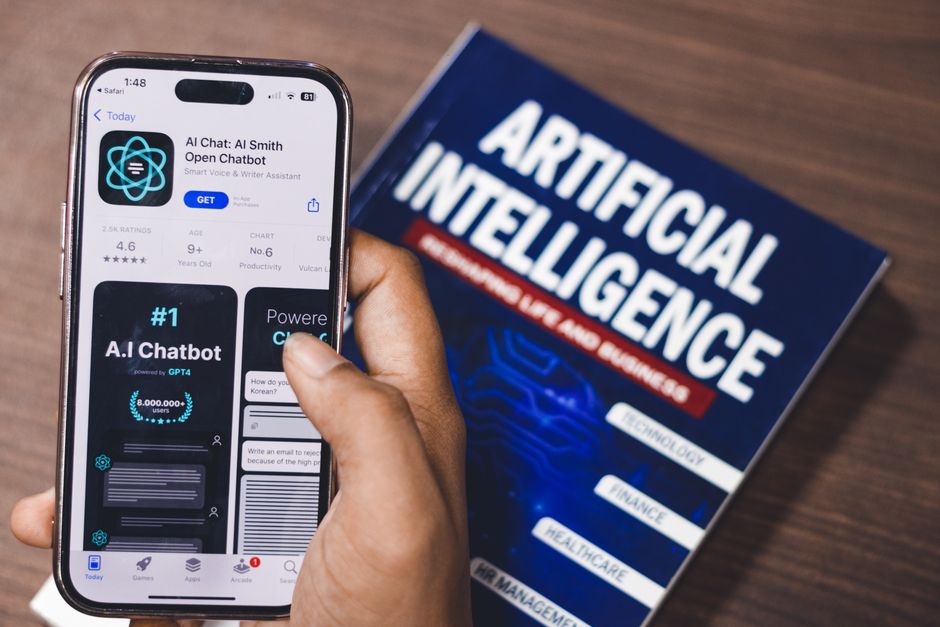
The internet is abuzz with talk of AI – Gemini, ChatGPT, and all their incredibly capable cousins. It’s easy to feel overwhelmed, like you’re missing out on some magical digital transformation. But here’s the good news: you don’t need a Silicon Valley budget or a team of AI wizards to leverage this new wave of technology for your website’s success. In fact, the practical applications for everyday website development and design are more accessible than you might think. Forget the sci-fi fantasies; let’s talk about what *you* can do right now to make your website smarter, more engaging, and better at reaching your audience.
The AI Shift: What Does It Actually Mean for My Website?
For years, website development and design have been about creating functional and visually appealing spaces. Now, AI is injecting a layer of intelligence and personalization that was once the stuff of dreams. Think of it like this: instead of a static brochure, your website is becoming a dynamic, responsive entity that can understand and interact with your visitors in more meaningful ways.
This isn’t just about chatbots answering basic questions. The latest AI models, like Google’s Gemini and OpenAI’s ChatGPT, are powerful tools that can:
- Understand and generate human-like text: This is a game-changer for content creation, SEO optimization, and even customer service.
- Analyze vast amounts of data: AI can sift through user behavior, market trends, and competitor strategies to provide actionable insights.
- Automate complex tasks: From coding snippets to design variations, AI can speed up development and free up your time.
- Personalize user experiences: Imagine a website that adapts its content and recommendations based on who is visiting.
The key takeaway is that AI isn’t a replacement for human creativity or strategic thinking; it’s an amplifier. It’s a tool that can help you execute your vision more effectively and efficiently.
Practical AI Integrations for Your Website: From Design to Discovery
So, how do you translate this AI hype into tangible improvements for your website? Let’s break it down into actionable steps, focusing on areas that directly impact your success.
1. Smarter Content Creation & SEO with AI
Search Engine Optimization (SEO) has always been about understanding what users are searching for and providing the best possible answers. AI takes this to a new level.
Content Ideation and Generation
Staring at a blank page? AI tools can be incredible brainstorming partners. You can feed them a topic, a keyword, or even a competitor’s article, and they can suggest blog post ideas, outlines, and even draft initial content. This doesn’t mean you should blindly copy-paste. Instead, use AI-generated content as a starting point. You’ll still need your unique voice, expertise, and human touch to refine it and make it truly valuable.
Practical Tip: Use AI to generate variations of meta descriptions and title tags. Test them to see which ones perform best in search results. Ask AI to explain complex topics in simpler terms for your audience, improving readability and engagement.
Keyword Research Reinvented
Beyond simple keyword lists, AI can help you understand the *intent* behind search queries. It can identify related topics, long-tail keywords, and even predict emerging search trends. This allows you to create content that truly addresses user needs, which is the holy grail of SEO.
Practical Tip: Ask AI to identify common questions users have about your industry or products. This is a goldmine for creating informative and search-friendly FAQ sections or blog posts.
2. Enhancing Website Design with AI Assistance
Website design is no longer just about aesthetics; it’s about user experience (UX). AI can help you create more intuitive and engaging designs.
Automated Design Mockups and Variations
Some AI tools can generate design mockups based on your brand guidelines and desired layout. While they won’t replace a skilled designer, they can quickly provide multiple visual concepts, saving time in the initial ideation phase. This allows designers to focus on the finer details and strategic UX decisions.
Practical Tip: Use AI to generate different color palette options or font pairings based on your brand’s mood board. Experiment with AI-powered layout suggestions to see how content can be presented in fresh ways.
Personalized User Journeys
Imagine your website showing different content or offers to a first-time visitor versus a returning customer. AI can enable this level of personalization by analyzing user behavior and preferences. This can lead to higher conversion rates and a more satisfying user experience.
Practical Tip: While advanced personalization might require custom development, you can start by using AI to analyze your website’s analytics and identify patterns. This can inform how you segment your audience and tailor content for different groups.
3. Optimizing Paid Advertising (Pay-Per-Click) with AI Insights
For businesses utilizing Pay-Per-Click (PPC) advertising, AI offers powerful tools to refine campaigns and maximize ROI.
Ad Copy Optimization
AI can analyze successful ad copy and generate new variations that are more likely to resonate with your target audience. It can also help you tailor ad copy to specific keywords and search intents.
Practical Tip: Use AI to brainstorm different headlines and call-to-actions for your Google Ads. Test these AI-generated variations against your current ads to see which ones drive more clicks and conversions.
Audience Segmentation and Targeting
AI can analyze vast datasets to identify your ideal customer profiles with greater accuracy. This allows for more precise audience targeting in your PPC campaigns, reducing wasted ad spend and increasing relevance.
Practical Tip: Ask AI to help you define the characteristics of your ideal customer based on demographic, psychographic, and behavioral data. Use these insights to refine your targeting parameters in platforms like Google Ads.
4. Staying Ahead with Google News and AI
For news publishers and businesses looking to leverage current events, AI can be a powerful ally.
Content Relevance and Trend Identification
AI can help you quickly identify trending topics and relevant news stories that align with your niche. This allows you to create timely content that can be picked up by Google News and other platforms.
Practical Tip: Use AI tools to monitor news feeds and social media for emerging trends related to your industry. This can inspire timely blog posts, press releases, or social media updates that have a higher chance of gaining traction.
Summarization and Content Curation
AI can quickly summarize lengthy articles or reports, making it easier for you to digest information and identify key takeaways. This is invaluable for staying informed and for curating relevant content for your audience.
Putting it All Together: A Phased Approach
You don’t need to implement everything at once. Start small and scale up.
- Identify your biggest pain points: Is it content creation? SEO? Ad performance?
- Experiment with free or affordable AI tools: Many platforms offer free trials or basic versions.
- Focus on one area at a time: Master AI’s assistance in content creation before diving into complex design applications.
- Measure your results: Track the impact of AI integrations on your website traffic, engagement, and conversions.
- Iterate and learn: AI is a constantly evolving field. Stay curious and adapt your strategies as new capabilities emerge.
Frequently Asked Questions about AI and Your Website
Q1: Will AI replace website designers and developers?
No, AI is more likely to augment their roles. It can automate repetitive tasks and provide insights, allowing humans to focus on creativity, strategy, and complex problem-solving. The human touch in design and the nuanced understanding of user needs remain invaluable.
Q2: How can I ensure my AI-generated content is unique and not plagiarized?
Always use AI-generated content as a starting point. Edit, refine, and add your own unique perspective and expertise. Run it through plagiarism checkers if you have concerns. The goal is to use AI for efficiency, not to outsource your originality.
Q3: Is using AI for SEO ethical?
Yes, as long as you’re using it to create high-quality, relevant content that genuinely helps users. AI can help you understand search intent better and optimize your content accordingly, which is a core principle of good SEO. Avoid using AI for spamming or creating low-quality, keyword-stuffed content.
Q4: What are the costs associated with using AI for website development?
Costs vary widely. Many powerful AI tools have free tiers or affordable subscription plans. For highly customized AI integrations, the cost can be higher, but for most practical applications, you can start with minimal investment.
Q5: How do I know which AI tools are right for my website?
Start by understanding your specific needs. If you need content help, look for AI writing assistants. If you’re struggling with ad copy, explore AI-powered ad optimization tools. Read reviews, try free trials, and see what fits your workflow and budget best.
Conclusion: Embrace the Intelligent Future of Your Website
The advancements in AI, like Gemini and ChatGPT, are not distant technological marvels; they are here, and they are ready to be integrated into your website strategy. By focusing on practical applications in content creation, design, SEO, and even PPC, you can leverage this powerful technology to build a more effective, engaging, and future-proof website. Don’t be intimidated by the buzz; embrace the opportunity to make your online presence smarter, more efficient, and ultimately, more successful. The future of your website is intelligent, and it’s more accessible than you think.
