The AI Revolution is Here, and Your Website Needs to Notice
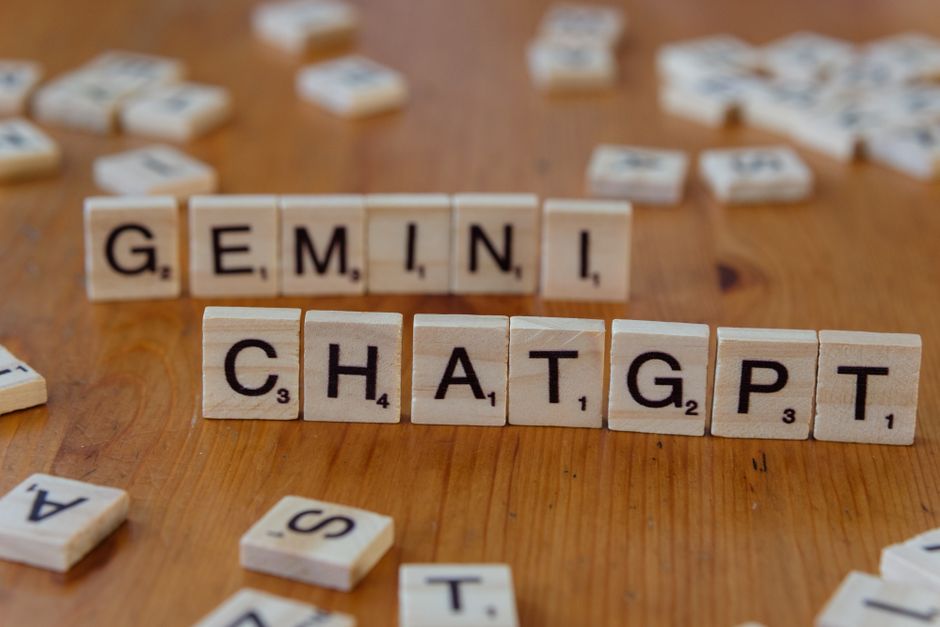
For years, the conversation around website development and design has been dominated by keywords like “responsive,” “user-friendly,” and “fast loading.” While these remain crucial, a new, powerful force is rapidly changing the landscape: Artificial Intelligence, particularly large language models like Google’s Gemini and OpenAI’s ChatGPT. Forget the sci-fi fantasies; these tools are already impacting how we conceptualize, build, and market websites.
Are you planning a new website, or looking to revamp an existing one? You’re probably wondering how these AI advancements fit into your strategy. This isn’t about replacing human creativity or expertise; it’s about augmenting it. Gemini and ChatGPT are becoming indispensable partners, streamlining processes, sparking innovative ideas, and even influencing how your site gets found online. This article will cut through the hype and show you practical, actionable ways these AI tools can benefit your next website project, from initial design to ongoing SEO and marketing.
From Blank Page to Brilliant Design: AI as Your Creative Catalyst
The dreaded blank page. Every website project starts here, and it can be the most daunting step. This is where Gemini and ChatGPT truly shine as creative collaborators.
Brainstorming and Ideation on Steroids
Stuck for website ideas? Need to define your brand’s voice? These AI models can be your ultimate brainstorming buddy.
* Niche Exploration: Describe your general business idea, and ask Gemini or ChatGPT to suggest niche markets, target audiences, and unique selling propositions. For example, you could prompt: “Suggest underserved niches within the sustainable fashion industry for an e-commerce website.”
* Content Strategy: Generate blog post ideas, social media content calendars, and even draft initial outlines for your website’s core pages (About Us, Services, etc.). You can ask: “Generate 10 blog post titles about the benefits of remote work for small businesses, targeting HR managers.”
* User Persona Development: Get help in defining your ideal customer. Input demographics and pain points, and the AI can help you flesh out detailed user personas, guiding your design and content decisions.
Accelerating the Design Process
While AI won’t be designing your website’s visual aesthetics from scratch (yet!), it can significantly speed up preparatory and ideation phases.
* Wireframe Concepts: Describe the functionality you need, and the AI can suggest logical layouts and user flows. While you’ll still need a designer for the visual polish, this can provide a solid structural foundation.
* Color Palette and Typography Inspiration: Input your brand’s essence or target audience, and ask for suggestions on color schemes and font pairings that evoke specific emotions or styles.
* **Copywriting Assistance:** This is a huge one. From compelling headlines to persuasive product descriptions, AI can generate polished copy that resonates with your audience. This frees up your time to focus on strategy and refinement. Imagine asking: “Write a concise and engaging meta description for a website selling artisanal coffee beans.”
SEO and Marketing: Navigating the AI-Powered Search Landscape
The way people search, and how search engines like Google rank websites, is constantly evolving. AI is at the forefront of this evolution, and understanding its impact on SEO and Pay-Per-Click (PPC) advertising is crucial.
Smarter Keyword Research and Content Optimization
Gemini and ChatGPT can help you move beyond basic keyword stuffing and embrace more nuanced, intent-driven SEO strategies.
* Understanding User Intent: Ask the AI to explain the likely search intent behind specific keywords. This helps you create content that directly answers user questions, a key factor for modern SEO. For instance, “What is the user intent behind the search query ‘best budget laptop for students’?”
* Long-Tail Keyword Discovery: Identify less competitive, more specific phrases that your target audience is using. Prompting the AI with your core topic can reveal these hidden gems.
* Content Refinement for Readability and Engagement: Use AI to rephrase sentences for clarity, improve sentence structure, and ensure your content is engaging and easy to understand, which indirectly impacts SEO.
The Rise of AI in PPC Campaigns
Pay-per-click advertising is also being transformed by AI. Google Ads, for example, increasingly leverages AI to optimize ad delivery and targeting.
* Ad Copy Generation: AI can create multiple variations of ad headlines and descriptions, allowing for rapid A/B testing to find what performs best.
* Audience Segmentation: While you’ll still set the parameters, AI can help analyze data to suggest more precise audience segments for your campaigns, leading to better ROI.
* Predictive Analytics: AI tools are becoming better at predicting which keywords or ad creatives are likely to perform well, helping you allocate your budget more effectively.
Google News and AI: Getting Your Content Discovered
For businesses aiming for broader reach and authority, getting featured on platforms like Google News is invaluable. AI is playing a role here too.
* Identifying Newsworthy Angles: If you have a company announcement, product launch, or research finding, AI can help you frame it in a way that’s more likely to be picked up by news outlets. Ask: “How can I present our new sustainable packaging initiative as a newsworthy story for a business audience?”
* Understanding News Trends: By analyzing current events and trending topics, AI can help you identify opportunities to tie your business’s expertise or offerings into relevant news cycles.
* Crafting Press Release Drafts: AI can assist in drafting the initial structure and content of press releases, ensuring they meet journalistic standards.
Practical Tips for Integrating AI into Your Website Project
So, how do you actually start using these tools effectively? Here are some practical steps:
1. Start Small and Experiment: Don’t try to overhaul your entire process overnight. Pick one area – like content ideation or ad copy generation – and experiment with Gemini or ChatGPT.
2. Be Specific with Your Prompts: The quality of the AI’s output directly depends on the quality of your input. The more detailed and contextual your prompts, the better the results.
3. **Treat AI as a Co-Pilot, Not an Autopilot:** AI is a tool to enhance human capability, not replace it. Always review, edit, and refine the AI’s suggestions to ensure they align with your brand, goals, and ethical standards.
4. **Understand the Limitations:** AI can hallucinate, generate biased content, or produce factually incorrect information. Critical thinking and fact-checking are more important than ever.
5. **Stay Updated:** The AI landscape is evolving at an unprecedented pace. Keep an eye on new developments and how they can be applied to your website projects.
Frequently Asked Questions (FAQ)
Q1: Will AI replace website designers and developers?
No, AI is unlikely to replace human designers and developers entirely. Instead, it will augment their capabilities, automating repetitive tasks, providing creative inspiration, and helping them work more efficiently. Human oversight, creativity, and strategic thinking remain essential.
Q2: How can I ensure my website remains unique if I use AI for content?
The key is to use AI as a starting point and a refining tool. Always edit and personalize the AI-generated content to reflect your unique brand voice, perspective, and specific business details. AI can help with structure and initial drafts, but your human touch is what makes it truly yours.
Q3: Is using AI for SEO risky?
Using AI for SEO is not inherently risky, but it must be done ethically and strategically. Focus on using AI to understand user intent, discover relevant keywords, and create high-quality, helpful content. Avoid keyword stuffing or manipulative AI-generated content, as search engines are adept at detecting such practices.
Q4: How can I integrate Gemini or ChatGPT into my existing workflow?
Start by identifying tasks that are time-consuming or where you often face creative blocks. For example, you can use ChatGPT to brainstorm blog post ideas before you start writing, or use Gemini to generate different ad copy options for your next PPC campaign. Gradually expand its use as you become more comfortable.
Q5: What is the difference between Gemini and ChatGPT for website projects?
Both Gemini and ChatGPT are powerful language models capable of assisting with various aspects of website development and SEO. Gemini, being from Google, might have a closer integration with Google’s ecosystem and a strong focus on real-time information. ChatGPT, from OpenAI, is known for its versatility and broad range of applications. The best choice often depends on the specific task at hand and your personal preference. It’s often beneficial to experiment with both.
The Future of Your Website is Collaborative
The integration of AI tools like Gemini and ChatGPT into website development, design, SEO, and marketing is not a distant future; it’s happening now. By embracing these technologies as intelligent assistants, you can unlock new levels of efficiency, creativity, and effectiveness. Your next website project doesn’t have to be a solitary endeavor. It can be a collaborative effort between your vision and the immense capabilities of AI, leading to a more impactful, engaging, and successful online presence. Start exploring, experimenting, and let AI help you build a website that truly stands out.