We’re living in an age where AI is more than just a futuristic concept; it’s a tangible tool impacting our daily lives. When it comes to building or revamping a website, the conversation often swirls around buzzwords like “AI-powered SEO” or “ChatGPT-generated content.” While these are parts of the picture, the real story is far more nuanced and, frankly, more practical. Forget the hype for a moment. Let’s explore how AI, like Gemini and ChatGPT, is genuinely changing the game for website development and design, and what that means for *you* right now.
The “Why” Behind the AI Wave in Web Development
The core reason AI is gaining traction in website development isn’t just about novelty. It’s about efficiency, enhanced creativity, and ultimately, delivering better results for businesses and their users. Think of it as having an incredibly intelligent assistant that can process vast amounts of data, identify patterns, and even generate initial drafts, freeing up human experts for more strategic and creative tasks.
For website owners and businesses, this translates to:
- Faster development cycles
- More data-driven design decisions
- Potentially lower costs for certain tasks
- Improved user experiences
- More effective marketing strategies
Gemini and ChatGPT: More Than Just Chatbots for Your Website
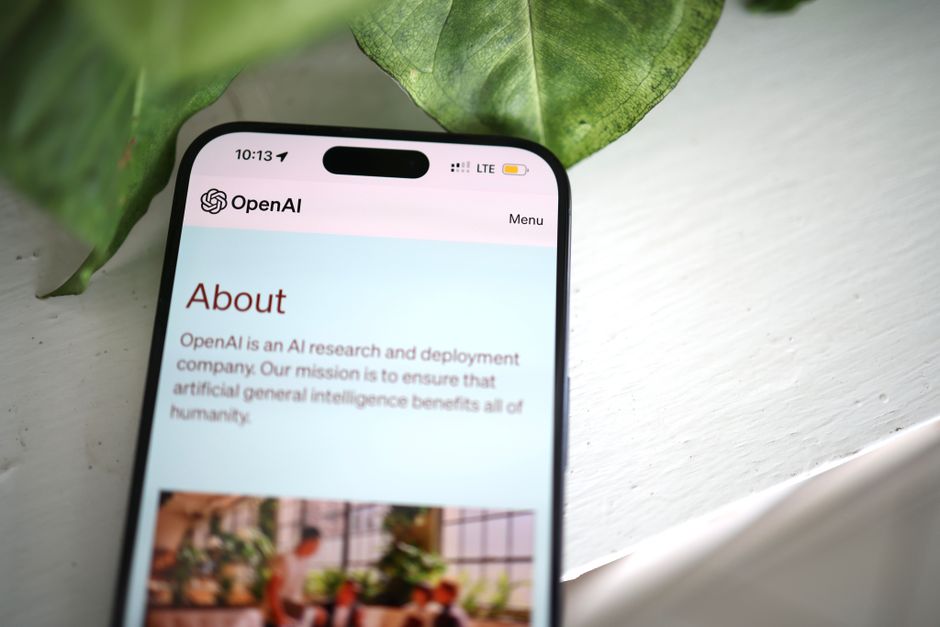
When we talk about AI in this context, we’re primarily looking at large language models (LLMs) like Google’s Gemini and OpenAI’s ChatGPT. These tools are incredibly versatile and are already being integrated into various stages of the website lifecycle.
1. Content Creation and Optimization
This is perhaps the most obvious application. AI can:
- Draft initial website copy: From landing page text to product descriptions, AI can generate a solid first draft, saving immense time.
- Brainstorm content ideas: Stuck for blog post topics or new website sections? AI can suggest relevant and trending ideas based on your niche.
- Improve existing content: AI can identify areas for improvement in clarity, tone, and SEO, suggesting rewrites.
- Summarize complex information: Need to distill technical jargon into easy-to-understand language for your audience? AI excels at this.
Practical Tip: Don’t just copy-paste. AI-generated content is a starting point. Always review, edit, and inject your brand’s unique voice and expertise. Think of it as a powerful research assistant and first-draft writer, not a replacement for human creativity and strategic thinking.
2. Design Assistance and Prototyping
While AI won’t replace the eye of a skilled web designer, it can significantly aid the process:
- Generate design concepts: AI can suggest color palettes, typography pairings, and even basic layout ideas based on your brand and industry.
- Create wireframes and mockups: Some AI tools can help generate initial visual representations of your website’s structure and layout.
- Personalize user interfaces: In the future, AI could dynamically adjust website elements based on individual user behavior and preferences.
Practical Tip: Use AI to explore a wider range of design possibilities quickly. It can help you visualize different approaches before committing to a specific direction, leading to more informed design choices.
3. SEO and Digital Marketing Augmentation
This is where AI’s data processing power truly shines:
- Keyword research: AI can analyze search trends, competitor data, and user intent to identify valuable keywords you might have missed.
- Content gap analysis: AI can help you discover topics your competitors are covering that you aren’t, providing opportunities for new content.
- SEO audits: AI tools can scan your website for technical SEO issues, suggesting fixes.
- Pay-Per-Click (PPC) campaign optimization: AI can analyze ad performance, suggest bid adjustments, and even help write ad copy variations.
- Understanding Google News visibility: While not directly an AI function, the insights AI can provide into trending topics and audience interests can inform your strategy for getting featured in Google News. For instance, if AI identifies a surge in interest around a specific sustainable technology, your website could create timely, well-researched content to position itself for Google News inclusion.
Practical Tip: Leverage AI for data analysis. It can sift through mountains of information to provide actionable insights that inform your SEO and PPC strategies, making your marketing spend more effective.
Beyond Gemini and ChatGPT: The Evolving Landscape
It’s important to remember that the AI landscape is constantly evolving. New tools and applications are emerging rapidly. For website development and design, this means:
- AI-powered development platforms: Tools that help automate coding tasks or generate functional website components.
- Advanced analytics: AI can provide deeper insights into user behavior, helping you understand what’s working and what’s not on your website.
- Predictive analytics: AI might even be able to predict user churn or identify potential conversion roadblocks before they become major issues.
Integrating AI into Your Website Project: Practical Steps
So, how do you actually start using AI in your website development or redesign project?
- Define Your Goals: What do you want AI to help you achieve? Better content? Faster design? Improved SEO?
- Choose the Right Tools: Research AI tools that align with your goals. For content, ChatGPT and Gemini are great starting points. For SEO, explore specialized AI-driven SEO platforms.
- Start Small: Don’t try to overhaul your entire process at once. Experiment with AI for a specific task, like drafting product descriptions or brainstorming blog post ideas.
- Human Oversight is Crucial: Always review and refine AI-generated output. AI is a tool, not a replacement for human expertise, creativity, and strategic decision-making.
- Stay Updated: The AI field is moving fast. Keep an eye on new developments and tools that could benefit your website.
FAQ: Your Questions Answered
Q1: Will AI replace web designers and developers?
A1: Not entirely. AI will automate many repetitive tasks and assist in areas like design ideation and content generation. However, human creativity, strategic thinking, problem-solving, and understanding of user empathy remain indispensable. AI will likely transform roles, making professionals more efficient and allowing them to focus on higher-level tasks.
Q2: How can AI help me get featured on Google News?
A2: AI can help by identifying trending topics and analyzing what kind of content is being picked up by Google News. By using AI to research audience interest and potential news angles, you can create timely, authoritative, and well-structured content that has a higher chance of being recognized by Google News algorithms.
Q3: Is AI-generated content good for SEO?
A3: AI-generated content can be a good starting point for SEO, but it needs human refinement. AI can help with keyword integration and structure. However, Google prioritizes helpful, reliable, people-first content. Simply churning out AI-generated articles without adding unique insights, expertise, and a human touch can harm your SEO in the long run.
Q4: What’s the difference between Gemini and ChatGPT in web development?
A4: Both are powerful LLMs capable of similar tasks like content generation and brainstorming. Gemini, from Google, might have an edge in areas leveraging Google’s vast data ecosystem and real-time information. ChatGPT, from OpenAI, is known for its conversational abilities and broad applicability. The best choice often depends on the specific task and your preference for the interface and underlying model.
Q5: How much does AI integration cost for website development?
A5: The cost varies greatly. Many AI tools offer free tiers or affordable subscription plans for individual tasks like content generation. Integrating AI into complex development workflows or using specialized AI platforms can involve higher costs, but often leads to significant time and resource savings in the long run.
Conclusion: Embrace the Intelligent Assistant
The integration of AI into website development and design isn’t a distant future; it’s happening now. Tools like Gemini and ChatGPT are not just for casual chat; they are becoming powerful allies for businesses looking to create more effective, engaging, and SEO-friendly websites. By understanding their capabilities and approaching them with a strategic, human-centric mindset, you can leverage AI to streamline your projects, enhance your creativity, and ultimately, build a better online presence. It’s time to move beyond the buzzwords and embrace the practical, intelligent assistance AI offers for your next website endeavor.