
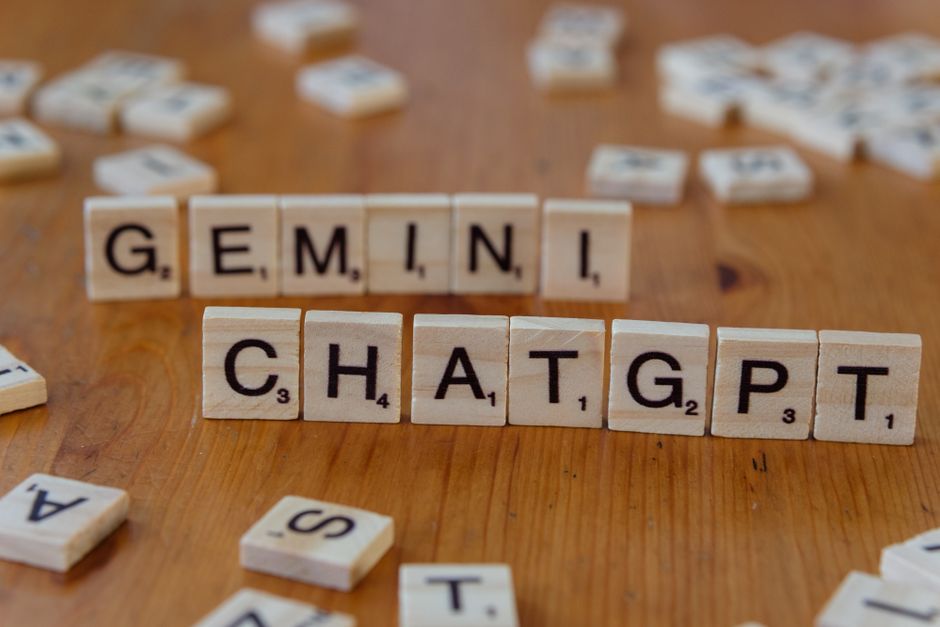
The world of website development and design is constantly evolving, and in 2026, artificial intelligence is no longer a futuristic concept – it’s a practical tool. You’ve probably heard about Gemini and ChatGPT, and while they can generate amazing stories or code snippets, how do they *actually* help you rank higher on Google, get more clicks, and stand out in the crowded digital landscape? This article cuts through the hype to show you exactly how these AI powerhouses can become your secret weapon for SEO success, focusing on current, practical user intent.
Unlocking Your Website’s Potential with AI: A Fresh Perspective
For years, SEO has been about keywords, backlinks, and technical tweaks. While those elements remain crucial, AI is introducing a new layer of sophistication and efficiency. Instead of just *guessing* what your audience wants, AI can help you *understand* and *deliver* it with unprecedented accuracy. This isn’t about replacing human expertise, but about augmenting it, freeing you up to focus on strategy and creativity.
1. Intelligent Content Creation & Optimization
Let’s be honest, consistently churning out high-quality, SEO-friendly content can be a grind. This is where Gemini and ChatGPT truly shine. They can act as your tireless content assistants, helping you brainstorm ideas, draft outlines, and even write initial versions of articles, product descriptions, or landing page copy. But the real SEO magic comes from their ability to optimize.
Practical Applications for SEO:
- Keyword Research on Steroids: Go beyond simple keyword volume. Ask AI to identify long-tail keywords with high user intent related to your niche. For example, instead of just “website design,” ask “what are the biggest website design challenges for small e-commerce businesses in 2026?”
- Content Gap Analysis: Feed AI your existing content and ask it to identify topics your competitors are covering that you’re not. This helps you create content that fills those gaps and attracts new audiences.
- Readability and Tone Optimization: Ensure your content is easy to understand and resonates with your target audience. AI can analyze your writing and suggest improvements for clarity, conciseness, and appropriate tone.
- Meta Description and Title Tag Generation: Craft compelling meta descriptions and title tags that accurately reflect your content and encourage clicks from search results. AI can generate multiple variations for you to choose from.
- Internal Linking Strategies: AI can suggest relevant internal links within your content, improving site navigation, user experience, and distributing link equity across your website.
2. Enhancing User Experience (UX) for SEO
Google increasingly prioritizes user experience. A website that’s difficult to navigate, slow to load, or doesn’t provide clear answers will suffer in search rankings. AI can help you pinpoint and fix these UX issues.
Practical Applications for UX-Driven SEO:
- AI-Powered Chatbots for Instant Support: Implement chatbots (powered by Gemini or similar AI) on your website. They can answer common questions 24/7, guide users to relevant information, and reduce bounce rates. This signals to Google that your site is helpful and engaging.
- Personalized User Journeys: AI can analyze user behavior and tailor content or offers to individual visitors, creating a more personalized and engaging experience. This can lead to longer dwell times and higher conversion rates.
- Accessibility Audits: While not a direct AI function of Gemini/ChatGPT, AI tools can be used to audit your website for accessibility issues, ensuring it’s usable for everyone. This is becoming increasingly important for SEO.
- Predictive User Behavior Analysis: AI can analyze patterns in user interactions to predict potential pain points or areas of confusion, allowing you to proactively address them in your website design.
3. Smarter Pay-Per-Click (PPC) Campaigns
For businesses using paid advertising, AI can revolutionize how you approach PPC. From ad copy creation to audience targeting, AI offers a more data-driven and efficient approach.
Practical Applications for PPC SEO:
- Ad Copy Generation and A/B Testing: AI can generate numerous variations of ad headlines and descriptions, allowing for rapid A/B testing to identify the most effective copy.
- Audience Segmentation and Targeting: AI can analyze vast datasets to identify highly specific audience segments that are most likely to convert, leading to more efficient ad spend.
- Bid Optimization: While dedicated PPC platforms have their own AI, you can use AI to analyze campaign performance data and inform your bidding strategies for better ROI.
- Keyword Expansion for PPC: AI can suggest new, relevant keywords to target in your PPC campaigns based on search trends and competitor analysis.
4. Navigating the Evolving Google News Landscape
For publishers and businesses aiming to be featured in Google News, understanding how AI influences content indexing and surfacing is key. While Google’s algorithms are proprietary, we can infer how AI-driven content and website structure can contribute.
Practical Applications for Google News Visibility:
- High-Quality, Authoritative Content: AI can help you produce well-researched, factually accurate, and comprehensive content that meets Google’s quality standards. Focus on providing unique insights and expert opinions.
- Clear and Structured Content: Use AI to ensure your articles are well-organized with clear headings, subheadings, and logical flow. This makes it easier for algorithms to understand and categorize your content.
- Timeliness and Relevance: AI can help you identify trending topics and quickly generate content around them, increasing your chances of being picked up by Google News.
- Structured Data Markup: While not directly AI generation, understanding how AI interprets structured data (like schema markup) is crucial. Ensure your website uses relevant schema to help Google understand your content’s context.
Beyond the Tools: The Human Element Remains Vital
It’s crucial to remember that AI is a tool, not a replacement for human creativity, strategic thinking, and ethical judgment. While Gemini and ChatGPT can generate content, you are the one who needs to ensure it aligns with your brand voice, factual accuracy, and overall business goals. AI can provide data and suggestions, but the final decisions and the overarching SEO strategy lie with you.
Think of AI as your incredibly intelligent intern. It can do a lot of the heavy lifting, research, and initial drafting, but you’re the manager who guides its efforts, reviews its work, and makes the critical strategic calls. The most successful SEO strategies in 2026 will be those that blend the power of AI with human expertise.
Frequently Asked Questions (FAQ)
Q1: Can AI completely automate my SEO efforts?
A1: No, AI can significantly enhance and automate many aspects of SEO, but it cannot completely replace human strategy, creativity, and ethical oversight. Human expertise is vital for understanding nuances, brand voice, and making strategic decisions.
Q2: How can I start using AI for my website’s SEO?
A2: Start by experimenting with AI tools like Gemini and ChatGPT for tasks like keyword research, content outlining, and meta description generation. Focus on one or two areas initially and gradually expand as you become more comfortable.
Q3: Will Google penalize my website if I use AI-generated content?
A3: Google’s stance is that AI-generated content is acceptable as long as it is high-quality, helpful, and original. The key is to use AI as a tool to *assist* in creating valuable content, not to churn out spam or low-quality material. Always review and edit AI-generated content to ensure accuracy and relevance.
Q4: How does AI help with user experience for SEO?
A4: AI can power chatbots for instant customer support, help personalize user journeys, and analyze user behavior to identify potential UX issues. A better user experience signals to Google that your website is valuable and engaging.
Q5: What’s the most important thing to remember when using AI for SEO in 2026?
A5: The most important thing is to remember that AI is a powerful assistant. Focus on leveraging its capabilities to augment your human expertise, improve efficiency, and create more valuable, user-centric content and experiences.
Conclusion
The integration of AI tools like Gemini and ChatGPT into website development, design, and SEO is not just a trend; it’s the future. By understanding their practical applications, you can move beyond the buzzwords and harness their power to create more effective websites, improve your search engine rankings, and drive meaningful engagement. Embrace AI as a collaborator, and you’ll be well-equipped to navigate the evolving digital landscape of 2026 and beyond.