
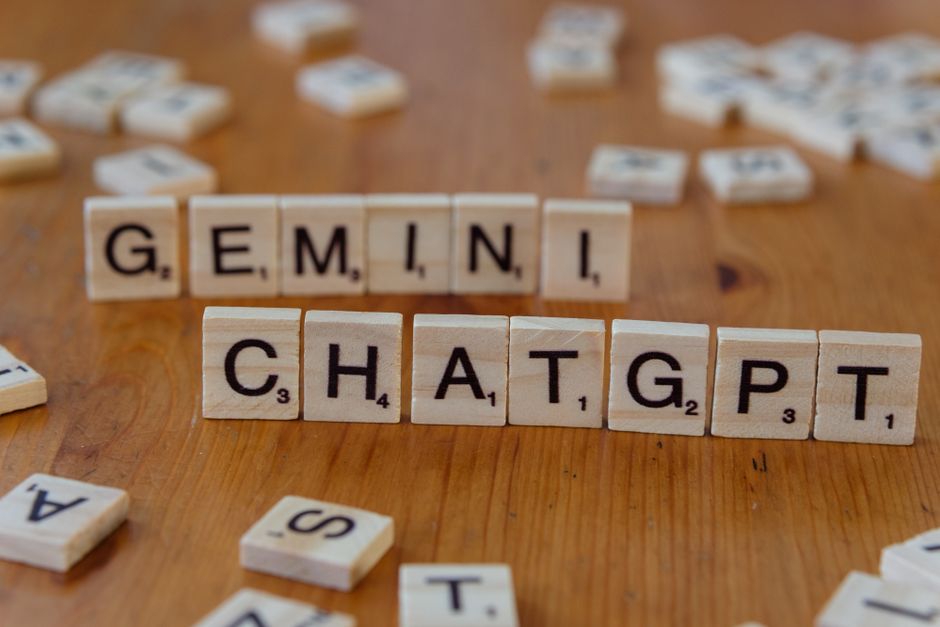
It’s 2026, and the internet is still buzzing about AI. You’ve probably heard about Gemini and ChatGPT, and how they’re revolutionizing everything. But for those of us focused on getting our websites noticed – the website development and website design folks, the SEO strategists, and the Pay Per Click wizards – the real question is: how can these powerful AI tools *actually* help us achieve tangible results, specifically when it comes to SEO and standing out in a crowded digital landscape? Forget the sci-fi promises; let’s dive into practical, actionable ways Gemini and ChatGPT can be your secret weapon for better search rankings and more effective online advertising.
Unlocking Your Website’s SEO Potential with AI: A 2026 Reality Check
The core of SEO remains unchanged: create valuable content, make it accessible to search engines, and ensure a great user experience. What’s new is how AI can supercharge each of these elements. Gemini and ChatGPT, with their advanced natural language processing capabilities, are no longer just fancy chatbots. They’re becoming indispensable assistants for anyone involved in website development, design, and digital marketing.
1. Content Creation and Optimization: From Blank Page to Search Engine Darling
One of the biggest hurdles in SEO is consistently producing high-quality, keyword-rich content. This is where AI truly shines.
Brainstorming and Idea Generation
Stuck for blog post ideas? Need to come up with fresh angles for your product descriptions? AI can be your brainstorming partner. Feed it your niche and target audience, and it can generate dozens of relevant topics, questions your audience is asking, and even potential article outlines.
- Prompt Example: “Generate 10 blog post ideas for a small business website development company targeting local businesses in [Your City]. Focus on common pain points and emerging web design trends.”
Drafting and Expanding Content
AI can draft initial versions of articles, product descriptions, meta descriptions, and even website copy. While you’ll always need a human touch for nuance, brand voice, and factual accuracy, AI can significantly reduce the time spent on the initial writing. It can also help expand existing content, adding more detail and depth where needed.
- Prompt Example: “Write a 500-word blog post introduction about the importance of mobile-first website design for e-commerce businesses in 2026. Include keywords like ‘mobile optimization,’ ‘user experience,’ and ‘conversion rates’.”
Keyword Research and Integration
While dedicated SEO tools are still essential for comprehensive keyword analysis, AI can assist in identifying long-tail keywords and understanding user intent behind search queries. You can ask AI to rephrase sentences to naturally incorporate target keywords without sounding forced.
- Prompt Example: “Suggest ways to naturally integrate the keyword ‘AI-powered website analytics’ into a paragraph about website performance monitoring.”
Improving Readability and Tone
AI can analyze your content for readability, suggesting simpler sentence structures and vocabulary. It can also help adjust the tone to be more persuasive, informative, or engaging, depending on your goal.
- Prompt Example: “Rewrite this paragraph to be more accessible to a non-technical audience, focusing on the benefits of a responsive website design: [Paste your paragraph here].”
2. Website Design and User Experience (UX) Enhancement
Great website design isn’t just about aesthetics; it’s about creating an intuitive and enjoyable user journey, which directly impacts SEO.
User Flow and Navigation Ideas
Describe your website’s purpose and target audience to AI, and it can suggest optimal user flows and navigation structures to guide visitors effectively towards their goals (e.g., making a purchase, filling out a form).
- Prompt Example: “Outline a user journey for a visitor landing on an e-commerce website selling sustainable fashion for the first time. Suggest key pages and calls to action.”
Accessibility Checks and Improvements
While not a replacement for dedicated accessibility testing tools, AI can help identify potential accessibility issues in your content and suggest improvements for better inclusivity, which is increasingly important for SEO and user satisfaction.
- Prompt Example: “Review this website copy for potential accessibility issues for visually impaired users and suggest alternative phrasing or formatting.”
Personalization Strategies
AI can help conceptualize how to personalize website experiences based on user behavior, location, or past interactions, leading to higher engagement and lower bounce rates – both positive SEO signals.
- Prompt Example: “Suggest ways to personalize the homepage experience for returning visitors to a software-as-a-service (SaaS) website.”
3. Pay Per Click (PPC) Campaign Optimization
For those running PPC campaigns, AI can be a game-changer in efficiency and effectiveness.
Ad Copy Generation and A/B Testing Ideas
Generate multiple variations of ad headlines and descriptions for platforms like Google Ads. AI can also help brainstorm hypotheses for A/B testing different ad creatives and calls to action.
- Prompt Example: “Write 5 compelling Google Ads headlines and 3 description lines for a PPC campaign promoting website development services for startups. Highlight speed and affordability.”
Keyword Expansion and Negative Keyword Identification
AI can help identify related keywords you might have missed and suggest negative keywords to prevent your ads from showing for irrelevant searches, saving you money and improving click-through rates.
- Prompt Example: “Given the keyword ‘web design agency,’ suggest related keywords and potential negative keywords to avoid for a local SEO service.”
Audience Segmentation and Targeting
Describe your ideal customer, and AI can suggest ways to segment your audience for more targeted PPC campaigns, leading to higher conversion rates.
- Prompt Example: “Suggest audience segments for a PPC campaign targeting small business owners interested in improving their online presence.”
4. Leveraging Google News and AI for Authority
Getting your website featured in Google News can be a significant SEO boost, lending authority and driving traffic. While direct AI influence on editorial decisions is limited, AI can help you craft the perfect pitch and content.
Identifying Trending Topics in Your Niche
AI can help you monitor industry trends and identify breaking news or emerging discussions that align with your expertise, making your website a timely source of information.
- Prompt Example: “What are the current trending topics in the cybersecurity industry that a tech blog could cover?”
Crafting Press Release and Pitch Content
If you have a newsworthy announcement, AI can assist in writing a compelling press release or a targeted pitch to journalists, increasing your chances of being picked up by news outlets, including those that feed into Google News.
- Prompt Example: “Draft a press release announcing the launch of a new AI-powered website builder. Focus on its unique features and benefits for small businesses.”
Repurposing Existing Content for News Angles
AI can help you identify how your existing blog posts or research can be reframed as a news story or expert opinion piece, making them more appealing to news editors.
- Prompt Example: “How can I reframe my blog post about the future of e-commerce into a news-worthy article for a business publication?”
Frequently Asked Questions (FAQ)
Q1: Can AI replace human SEO experts and website developers?
No, not entirely. AI is a powerful tool that can augment human capabilities, automate repetitive tasks, and provide insights. However, strategic thinking, creativity, understanding of brand nuances, ethical considerations, and complex problem-solving still require human expertise.
Q2: How do I ensure the AI-generated content is accurate and original?
Always fact-check AI-generated content with reliable sources. Use plagiarism checkers to ensure originality. AI models learn from vast datasets, so while they strive for originality, a human review is crucial for accuracy and to avoid unintentional duplication.
Q3: What are the limitations of using AI for SEO in 2026?
AI can sometimes generate generic content, misunderstand nuanced search intent, or lack real-world context. It’s also crucial to be aware of data privacy and ethical implications when using AI for personalization or data analysis.
Q4: Which AI tools are best for SEO? Gemini or ChatGPT?
Both Gemini and ChatGPT are highly capable. Gemini, with its multimodal capabilities, might offer unique advantages in analyzing visual website elements or understanding complex data. ChatGPT is excellent for text generation and conversational interaction. The best choice often depends on the specific task and your personal preference. Many professionals use both.
Q5: How can AI help with technical SEO?
While AI can’t directly fix code, it can help analyze website speed reports, suggest improvements for meta tags and schema markup, and identify broken links or crawl errors by processing data from other tools. You can ask it to explain complex technical SEO concepts or suggest best practices.
Conclusion: Embrace the AI Assistant for a Smarter SEO Strategy
In 2026, the question isn’t whether AI will impact SEO, website development, and PPC, but how effectively you’ll leverage it. Gemini and ChatGPT offer unprecedented opportunities to streamline your workflow, enhance your content, refine your website design, and optimize your advertising campaigns. By treating these AI tools as intelligent assistants rather than replacements, you can unlock new levels of efficiency and effectiveness, ultimately driving better results for your website and achieving higher rankings in search engines like Google.