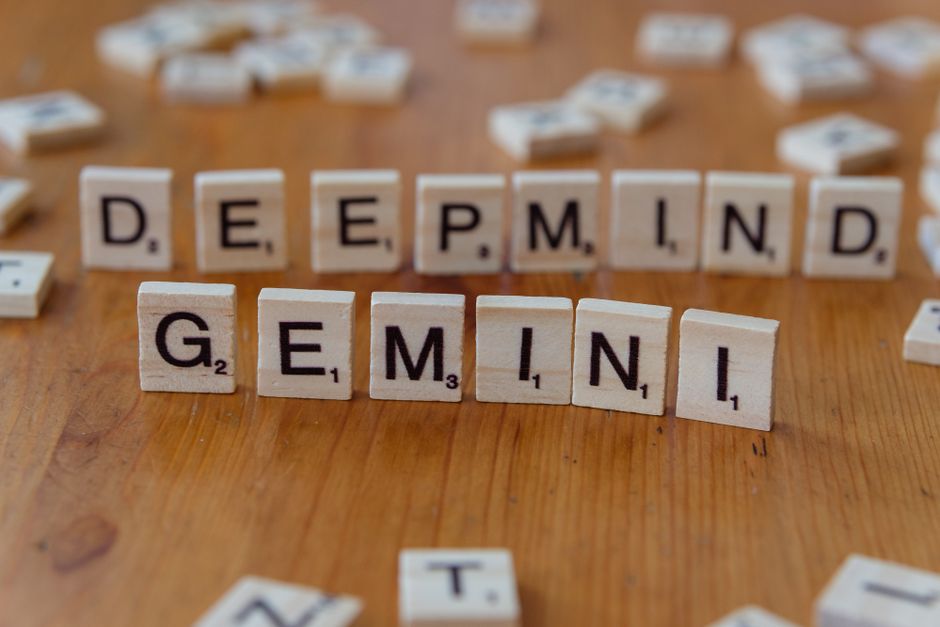
The world of website development and design is constantly evolving, but lately, the conversation has been dominated by Artificial Intelligence (AI) tools like Google’s Gemini and OpenAI’s ChatGPT. You’ve probably seen the headlines and heard the hype. But beyond the buzz, how are these advanced language models *actually* impacting the way we build, design, and promote websites today? And more importantly, how can *you* leverage them to get ahead in 2026?
Forget the fear-mongering about AI taking over jobs. The reality is far more nuanced and, frankly, exciting. Gemini and ChatGPT are powerful co-pilots, capable of augmenting human creativity and efficiency in ways we’re only just beginning to explore. This article isn’t about predicting the future; it’s about providing practical, actionable insights for website developers, designers, and business owners looking to integrate these tools effectively into their current strategies. We’ll dive into how they can streamline your workflow, enhance your SEO efforts, and even impact your paid advertising campaigns.
AI as Your Development Sidekick: From Code Snippets to Creative Sparks
For website developers, the most immediate impact of Gemini and ChatGPT is their ability to accelerate the coding process. These AI models can generate code snippets, explain complex programming concepts, and even help debug your code. This isn’t about replacing developers; it’s about freeing them up from repetitive tasks to focus on higher-level problem-solving and innovation.
Streamlining Development Workflows
- Code Generation: Stuck on a particular function or need a boilerplate structure? Ask Gemini or ChatGPT to generate HTML, CSS, or JavaScript code for specific elements. For example, you can prompt: “Generate HTML and CSS for a responsive navigation bar with a dropdown menu.”
- Debugging Assistance: Encountering a cryptic error message? Paste the error and your code into the AI and ask for an explanation and potential solutions. This can significantly reduce the time spent troubleshooting.
- Learning and Exploration: Want to understand a new JavaScript framework or a complex backend concept? These AI tools can break down complex topics into understandable explanations and provide code examples.
- API Integration Help: Integrating third-party APIs can be tricky. AI can help you understand API documentation, generate sample requests, and even suggest ways to handle responses.
Enhancing Website Design
Designers can also harness the power of AI, not just for aesthetics but for user experience (UX) and accessibility.
- Content Ideation: Need catchy headlines, compelling microcopy, or engaging product descriptions? AI can brainstorm ideas based on your target audience and brand voice.
- User Persona Development: While human empathy is crucial, AI can help flesh out user personas by analyzing existing data and suggesting potential user needs and pain points.
- Accessibility Auditing (Initial Pass): While not a replacement for human testers, AI can help identify potential accessibility issues in your design and suggest improvements for color contrast, font sizes, and semantic HTML.
- A/B Testing Copy Variations: Generate multiple versions of calls-to-action, button text, or marketing copy for A/B testing to see what resonates best with your audience.
The SEO Revolution: How AI is Changing the Game
Search Engine Optimization (SEO) has always been about understanding search engines and user intent. Gemini and ChatGPT are proving to be invaluable tools in this arena, offering insights and content generation capabilities that can significantly boost your website’s visibility.
Content Creation and Optimization
- Keyword Research Augmentation: While traditional keyword research tools are still vital, AI can help you uncover long-tail keywords, understand search intent behind them, and even suggest related topics that your audience is searching for.
- On-Page Content Generation: Need to create blog posts, product descriptions, or landing page copy that is both engaging and SEO-friendly? AI can draft content based on your keywords and target audience, which you can then refine and humanize. For instance, you could ask: “Write a blog post about the benefits of eco-friendly web hosting, targeting small business owners.”
- Meta Description and Title Tag Optimization: AI can help you craft compelling meta descriptions and title tags that are concise, informative, and include relevant keywords to improve click-through rates from search results.
- Internal Linking Strategies: AI can analyze your website’s content and suggest relevant internal linking opportunities to improve site navigation and distribute link equity.
Understanding Search Intent and User Behavior
This is where AI truly shines. By analyzing vast amounts of data, Gemini and ChatGPT can provide insights into what users are *really* looking for.
- Answering User Queries: AI can help you formulate content that directly answers common questions your target audience might have, making your website a go-to resource.
- Predicting Trends: While not a crystal ball, AI can help identify emerging search trends and topics within your niche, allowing you to create timely and relevant content.
- Analyzing Competitor Content: AI can help you analyze competitor content to identify gaps and opportunities where you can create superior, more valuable content.
Beyond Organic: AI’s Impact on Pay-Per-Click (PPC) Advertising
The world of paid advertising is also being transformed by AI. Gemini and ChatGPT can assist in crafting more effective ad copy, targeting the right audiences, and optimizing campaigns for better ROI.
Crafting High-Converting Ad Copy
- Ad Headline and Description Generation: AI can generate multiple variations of ad headlines and descriptions that are attention-grabbing and persuasive, tailored to specific keywords and target demographics.
- Call-to-Action (CTA) Optimization: Experiment with different CTAs generated by AI to see which ones lead to higher conversion rates.
- Audience Segmentation Ideas: While your ad platform handles the targeting, AI can help brainstorm potential audience segments based on user interests and behaviors.
Improving Campaign Efficiency
- Ad Group Structuring: AI can suggest ways to structure your ad groups for better organization and relevance.
- Landing Page Copy Alignment: Ensure your ad copy is perfectly aligned with your landing page content to reduce bounce rates and improve quality scores. AI can help draft landing page copy that complements your ads.
Integrating Google News and AI for Amplified Reach
For businesses looking to establish themselves as thought leaders or break news, the synergy between Google News and AI is powerful. While AI can’t directly submit to Google News, it can be instrumental in preparing content that is likely to be picked up.
Content Preparation for News Outlets
- Press Release Drafting: AI can help craft well-structured and compelling press releases that highlight newsworthy aspects of your business or product launches.
- Data-Driven Storytelling: If you have data to share, AI can help you analyze it and present it in a narrative format that is appealing to journalists.
- Identifying Newsworthy Angles: AI can help brainstorm unique angles for your stories that might appeal to editors and resonate with a wider audience.
Remember, for content to be considered by Google News, it needs to be original, authoritative, and adhere to journalistic standards. AI is a tool to *help* you create that content, not to automate the entire process of getting published.
Frequently Asked Questions (FAQ)
Q1: Will AI replace website developers and designers?
No, AI is designed to augment human capabilities, not replace them. It can automate repetitive tasks, generate ideas, and assist with complex problems, allowing human professionals to focus on creativity, strategic thinking, and complex problem-solving.
Q2: How can I ensure the content generated by AI is unique and not plagiarized?
Always use AI-generated content as a starting point. Thoroughly review, edit, and fact-check everything. While AI aims for originality, it’s essential to add your unique voice, insights, and ensure it aligns with your brand. Plagiarism checkers can also be a helpful tool.
Q3: Is it ethical to use AI for SEO content creation?
Yes, it is ethical as long as you are transparent and use AI responsibly. The goal is to create valuable, informative content for users. AI can help you achieve this more efficiently. However, avoid spamming or creating low-quality content solely for search engines.
Q4: Can Gemini and ChatGPT directly optimize my website for SEO?
They can provide insights and generate content that aids SEO, but they don’t directly “optimize” your website in the way an SEO tool or an SEO professional would. You still need to implement their suggestions and use them in conjunction with other SEO strategies and tools.
Q5: How can I measure the effectiveness of using AI in my website development and marketing efforts?
Track key performance indicators (KPIs) relevant to your goals. For development, measure time saved on coding tasks. For SEO, monitor improvements in search rankings, organic traffic, and conversion rates. For PPC, track click-through rates, conversion rates, and cost per acquisition.
Conclusion: Embracing the AI-Enhanced Future of Web Development
The integration of AI tools like Gemini and ChatGPT into website development, design, and marketing is not a trend; it’s a fundamental shift. By understanding their capabilities and limitations, you can leverage them to create more efficient workflows, craft more compelling content, and achieve better results for your online presence. The key is to view AI as a powerful collaborator – a tool that amplifies your own skills and creativity. As these technologies continue to evolve, staying informed and experimenting with their practical applications will be crucial for anyone looking to thrive in the digital landscape of 2026 and beyond.