
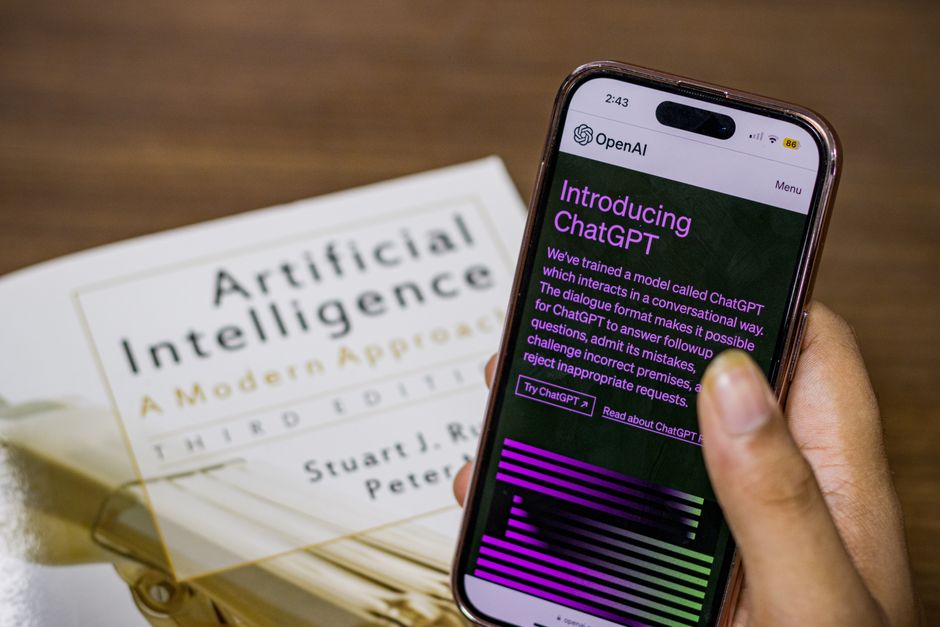
In today’s fast-paced digital world, building a website that not only looks great but also performs well – attracting organic traffic, converting visitors, and even gaining the coveted “Google News” recognition – can feel like a monumental task. For busy entrepreneurs, small business owners, or solo professionals, the sheer volume of work involved in website development, design, SEO, and content creation often leads to burnout or missed opportunities.
But what if you had an intelligent assistant, a co-pilot, guiding you through every step? Enter the powerful capabilities of AI tools like Google’s Gemini and OpenAI’s ChatGPT. These aren’t just for casual conversations; they are rapidly evolving into indispensable allies for crafting, optimizing, and promoting your online presence. This article will show you how to leverage these AI co-pilots not just to build a functional website, but to create a ‘news-ready’ authority site – a benchmark for credibility and visibility – without repeating common old topics or overwhelming your schedule.
Your AI Co-Pilot: From Concept to Launch
The journey of a successful website begins long before a single line of code is written. AI can be instrumental in laying a solid foundation.
Phase 1: Concept & Design Blueprinting with AI
- Niche & Audience Identification:
Before you design anything, you need to know *who* you’re talking to and *what* problem you’re solving. Use Gemini or ChatGPT to:
- Brainstorm niche ideas based on your interests and skills.
- Research target audience demographics, pain points, and desires. Prompt: “Give me 10 common pain points for small business owners trying to build an online presence.”
- Analyze competitor websites and identify their strengths and weaknesses. Prompt: “Summarize the unique selling propositions of [competitor website 1] and [competitor website 2].”
- Develop detailed user personas to guide your design and content decisions.
- Website Structure & Wireframing:
Once your concept is clear, AI can help map out your site’s architecture.
- Generate sitemap ideas: “Create a sitemap for an e-commerce website selling eco-friendly pet products, including essential pages and sub-categories.”
- Suggest user flows: “Outline the typical user journey for someone looking to book a service on a local plumber’s website.”
- Draft basic wireframe descriptions or even simple HTML/CSS layouts for common page elements. While AI won’t design it visually, it can provide the structural blueprint. Prompt: “Write a simple HTML structure for a landing page hero section with a headline, sub-headline, and call-to-action button.”
- Design Inspiration & Branding Elements:
While AI isn’t a graphic designer (yet!), it can spark creativity and provide textual guidance.
- Suggest color palettes and font pairings that evoke specific emotions or brand values. Prompt: “Suggest a modern, trustworthy color palette and font combination for a financial advisory website.”
- Help articulate your brand’s voice and tone: “Describe a brand voice that is approachable yet authoritative for a tech startup.”
- Generate taglines and mission statements.
Phase 2: AI-Powered Content Creation & SEO Foundation
This is where Gemini and ChatGPT truly shine, significantly accelerating content generation and optimization.
- High-Quality Content Generation (with a human touch):
AI can draft blog posts, landing page copy, product descriptions, and even email newsletters in record time. However, *always review, edit, and inject your unique human perspective and expertise* to avoid generic content.
- Prompt for blog post outlines: “Create an outline for a blog post titled ‘The Future of Remote Work: Tools and Strategies for Success’.”
- Generate draft paragraphs or sections: “Write an introductory paragraph for a blog post about sustainable fashion trends.”
- Refine existing content: “Rewrite this paragraph to be more concise and engaging for a Gen Z audience.”
- Advanced Keyword Research & SEO Optimization:
AI can go beyond basic keyword suggestions.
- Identify long-tail keywords and semantic variations: “List 20 long-tail keywords related to ‘vegan meal prep for beginners’ that have high search intent.”
- Draft compelling meta descriptions and SEO titles: “Write 3 unique meta descriptions and SEO titles for a blog post about ‘benefits of cloud computing for small businesses’.”
- Suggest internal linking opportunities: “Given a blog post about ‘home office ergonomics,’ suggest relevant internal pages on a general productivity blog that could be linked.”
- Generate schema markup suggestions (e.g., FAQ schema, article schema) to enhance search visibility. Prompt: “Generate JSON-LD schema for an FAQ page with these questions and answers…”
- Technical SEO Checklist & Troubleshooting:
While AI can’t directly fix technical issues, it can provide guidance.
- Generate a comprehensive technical SEO checklist for a new website.
- Explain complex technical SEO concepts in simple terms.
- Suggest solutions for common crawl errors or indexing issues based on provided descriptions.
Phase 3: Driving Traffic, Authority & Becoming ‘Google News Ready’
Getting your website noticed and recognized for its authority is crucial. AI can be a powerful ally in this ongoing effort, especially for aiming for that “Google News” badge of honor.
- AI for Pay-Per-Click (PPC) Campaign Optimization:
For immediate traffic, PPC is key, and AI streamlines ad creation.
- Generate multiple ad copy variations for Google Ads or social media platforms. Prompt: “Write 5 compelling Google Ad headlines and descriptions for a service offering virtual assistant support.”
- Suggest audience targeting ideas based on your niche and customer personas.
- Help analyze ad performance data by summarizing trends or identifying areas for improvement (though direct integration with ad platforms is via specialized AI tools, ChatGPT/Gemini can interpret results).
- Crafting “News-Worthy” Content & Authority with AI:
This is where the “Google News Ready” aspect comes into play. Google News favors original, high-quality, authoritative content that provides value to readers. AI can assist, but human expertise and oversight are paramount.
- Trend Spotting: Use AI to identify emerging topics and trending keywords within your niche. Prompt: “What are the top 5 trending topics in sustainable technology right now?” This helps you create timely content.
- Research & Summarization: Quickly synthesize information from multiple sources to build a well-researched article. Prompt: “Summarize the key findings from these three articles on the impact of AI on small businesses.” This saves research time, allowing you to focus on analysis and unique insights.
- Compelling Headlines & Intros: Craft headlines that grab attention and intros that hook readers, crucial for news portals. Prompt: “Generate 10 compelling, news-style headlines for an article about a breakthrough in renewable energy.”
- Developing an E-E-A-T Strategy: While AI can’t *be* an expert, it can help you strategize how to demonstrate Experience, Expertise, Authoritativeness, and Trustworthiness. Prompt: “Suggest ways a new financial blog can establish E-E-A-T.” This might include prompting for bio ideas, case study structures, or expert interview questions.
- Content Calendar & Freshness: Plan a content calendar that ensures a consistent flow of fresh, relevant articles, a key factor for Google News. Prompt: “Create a 3-month content calendar for a tech news blog, focusing on daily updates and evergreen content.”
- Outreach & PR Drafts: Draft pitches for journalists, influencers, or other news outlets to promote your content and build backlinks. Prompt: “Write a concise email pitch to a tech journalist about our new article on quantum computing’s real-world applications.”
Important Note: Google News requires human-authored content, original reporting, and adherence to strict guidelines. AI is a powerful assistant for *research, drafting, and optimization*, but the final authoritative voice, unique insights, and factual accuracy must come from human expertise.
Frequently Asked Questions About AI & Your Website
Can AI write my entire website content for Google News approval?
No. While AI can draft content efficiently, Google News prioritizes human-authored, original, and authoritative content. AI is a tool to assist research, outlining, and drafting, but human expertise, unique insights, and rigorous fact-checking are indispensable for approval and maintaining credibility.
Is using AI for SEO considered ‘black hat’ or unethical?
No, not inherently. AI is a tool. Using it to generate spammy, low-quality, or plagiarized content would be black hat. Using it for keyword research, content ideas, meta description optimization, or drafting high-quality, human-edited content is a legitimate and increasingly common practice.
Which AI is better for website tasks, Gemini or ChatGPT?
Both have strengths. ChatGPT (especially GPT-4) is often praised for its creative writing and conversational flow. Gemini (especially Advanced) is known for its strong reasoning, multi-modal capabilities, and integration with Google’s ecosystem. Many professionals use both, leveraging their respective strengths for different tasks. Experiment to see which suits your workflow best.
How much human effort is still needed when using AI for website development?
A significant amount! Think of AI as your highly capable co-pilot, not an autopilot. You still need to provide direction, review outputs, apply critical thinking, inject your unique brand voice and expertise, and make final decisions. AI handles the heavy lifting of drafting and ideation, freeing you to focus on strategy, refinement, and human connection.
What are the biggest risks of relying too much on AI for my website?
Over-reliance can lead to generic content lacking originality, factual inaccuracies (hallucinations), loss of your unique brand voice, and potential E-E-A-T (Experience, Expertise, Authoritativeness, Trustworthiness) issues. Always maintain human oversight, fact-check everything, and ensure your content truly reflects your brand’s values and expertise.
Conclusion
The landscape of website development and online marketing is constantly evolving, and AI is at the forefront of this transformation. By embracing tools like Gemini and ChatGPT as your intelligent co-pilots, you can streamline your workflow, accelerate content creation, enhance your SEO efforts, and even build the authority needed to become a ‘Google News Ready’ website.
This isn’t about replacing human creativity or expertise, but augmenting it. With AI handling repetitive tasks and providing intelligent suggestions, you’re free to focus on what truly matters: crafting compelling narratives, developing innovative solutions, and connecting