
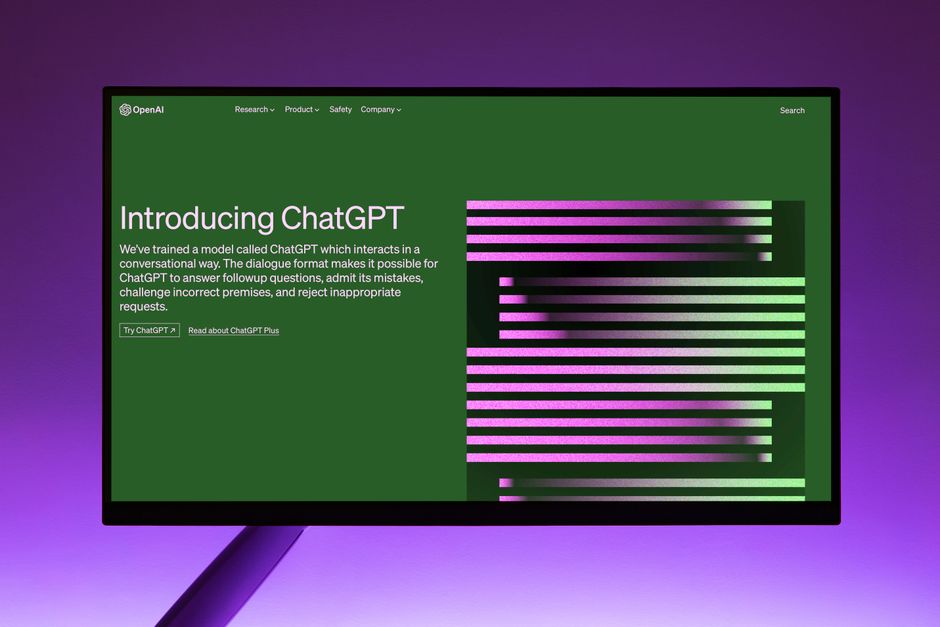
We’re living in an AI-powered world, and if you’re involved in website development or design, you’ve likely heard the buzz about tools like Google’s Gemini and OpenAI’s ChatGPT. These aren’t just fancy chatbots; they’re rapidly becoming powerful collaborators, capable of influencing everything from initial concept to ongoing SEO and marketing efforts. But beyond the initial awe, what does this *really* mean for your website projects? How can you leverage these tools effectively, and what are the pitfalls to watch out for? This article dives into the practical, current applications of Gemini and ChatGPT in website development, offering actionable insights for developers, designers, and business owners alike.
The New Creative Partners: AI in Website Design and Development
Gone are the days when AI was a futuristic concept. Today, Gemini and ChatGPT are tangible tools that can significantly streamline and even elevate the website development process. They’re not here to replace human creativity and expertise, but rather to augment it, freeing up valuable time and offering new perspectives.
From Concept to Code: AI-Assisted Ideation and Design
Staring at a blank canvas for a new website? AI can be your brainstorming buddy. These models can generate creative concepts, suggest color palettes, propose user interface (UI) layouts, and even draft initial content outlines based on your brief. For example, you can feed Gemini a description of your business and target audience, and it can suggest unique selling propositions, website features, and even basic sitemap structures.
Practical Tips for AI-Driven Design Ideation:
- Be Specific with Prompts: Instead of “design a website,” try “Generate three distinct website design concepts for a sustainable fashion brand targeting Gen Z, focusing on a minimalist aesthetic and incorporating user-generated content.”
- Iterate and Refine: AI outputs are starting points. Use them as inspiration and then refine them with your own expertise. Ask for variations, different styles, or specific elements to be emphasized.
- Focus on User Experience (UX): While AI can suggest layouts, it’s crucial to ensure the design is intuitive and user-friendly. Use AI to generate personas or user journey maps to inform your design decisions.
Accelerating Development with AI-Generated Code Snippets
For developers, Gemini and ChatGPT are becoming invaluable coding assistants. They can generate boilerplate code, debug existing scripts, explain complex code functions, and even translate code between different programming languages. This doesn’t mean you can stop learning to code, but it significantly speeds up repetitive tasks and helps overcome coding hurdles.
Practical Tips for AI-Assisted Development:
- Use for Repetitive Tasks: Need a standard form validation script? Or a basic API integration? Ask the AI to generate it.
- Debug with Confidence: Paste your problematic code into the AI and ask for explanations or potential fixes. This is a huge time-saver.
- Learn and Understand: Don’t just copy-paste. Ask the AI to explain *why* a particular piece of code works. This is essential for true understanding and long-term skill development.
- Verify and Test Thoroughly: AI-generated code is not always perfect. Always test it rigorously to ensure it functions as expected and is secure.
The SEO Advantage: How AI is Revolutionizing Optimization
Search Engine Optimization (SEO) is a constantly evolving field, and AI is at the forefront of this change. Gemini and ChatGPT can be powerful allies in crafting content, identifying keywords, and understanding search intent, which are all critical for ranking well on Google and other search engines.
Content Creation and Optimization with AI
Crafting high-quality, relevant content is the cornerstone of SEO. AI tools can help you brainstorm blog post ideas, write drafts, refine existing content for clarity and keyword inclusion, and even generate meta descriptions and title tags. This is particularly useful for generating content that aligns with current trends and user queries, making your website more likely to appear in Google News or relevant search results.
Practical Tips for AI-Powered SEO Content:
- Keyword Research Augmentation: While traditional keyword research tools are essential, ask Gemini or ChatGPT to suggest related keywords, long-tail variations, or questions people are asking about your niche.
- Drafting Engaging Content: Use AI to generate initial drafts for blog posts, product descriptions, or landing page copy. Focus on providing factual accuracy and a unique human touch in the final edit.
- On-Page Optimization: Ask AI to suggest ways to incorporate keywords naturally into your content, or to rephrase sentences for better readability and SEO impact.
- Meta Data Generation: Get AI to craft compelling meta descriptions and title tags that entice users to click through from search results.
Understanding User Intent and Search Queries
One of the most significant advancements AI brings to SEO is its ability to help us understand what users are *actually* looking for. By analyzing vast amounts of text data, these models can identify patterns in search queries and user behavior, allowing you to tailor your content more effectively.
Practical Tips for AI-Driven Intent Analysis:
- Simulate User Queries: Ask AI to generate a list of common questions a potential customer might ask about your products or services.
- Analyze Competitor Content: Feed AI content from your competitors and ask it to identify their core messaging, target keywords, and potential content gaps you can fill.
- Predict Trending Topics: While not a crystal ball, AI can sometimes identify emerging trends based on its training data, helping you create timely content.
Beyond Organic: AI’s Role in Paid Advertising (Pay-Per-Click)
While SEO focuses on organic reach, Pay-Per-Click (PPC) advertising offers immediate visibility. AI is also making significant inroads here, from ad copy creation to audience targeting and campaign optimization.
Crafting High-Converting Ad Copy
Writing effective ad copy that grabs attention and encourages clicks is an art. Gemini and ChatGPT can help by generating multiple ad variations, suggesting compelling calls to action, and tailoring messages to specific audience segments. This is especially useful when running campaigns on platforms like Google Ads.
Practical Tips for AI-Assisted PPC Ad Copy:
- Generate Ad Variations: Provide AI with your product/service details and target audience, then ask for 5-10 different ad headlines and descriptions.
- A/B Testing Ideas: Use AI to brainstorm different angles or benefits to highlight in your ads for A/B testing.
- Benefit-Oriented Language: Ask AI to rephrase features into customer benefits, which are often more persuasive in ad copy.
Optimizing Campaigns and Audience Targeting
AI algorithms are already heavily integrated into PPC platforms for audience segmentation and bid optimization. However, you can also use tools like Gemini and ChatGPT to gain a deeper understanding of your target audience and brainstorm new targeting strategies.
Practical Tips for AI-Driven PPC Strategy:
- Audience Persona Development: Ask AI to help create detailed buyer personas based on demographics, interests, and pain points.
- Keyword Expansion for PPC: Use AI to brainstorm new keyword ideas for your Google Ads campaigns, including negative keywords.
- Landing Page Optimization for Ads: Ensure your landing pages are aligned with your ad messaging. Ask AI for suggestions on improving landing page copy and calls to action.
Navigating the Future: Ethical Considerations and Limitations
As we embrace these powerful AI tools, it’s crucial to remain aware of their limitations and ethical implications. AI is a tool, and like any tool, its effectiveness and impact depend on how it’s used.
The Importance of Human Oversight
AI-generated content can sometimes be factually inaccurate, biased, or lack the nuance and empathy that a human writer can provide. Similarly, AI-generated code needs to be reviewed by experienced developers to ensure security and functionality. Always remember that AI is an assistant, not a replacement for human judgment and expertise.
Data Privacy and Security
Be mindful of the data you share with AI models. Avoid inputting sensitive or confidential information, and ensure you understand the privacy policies of the tools you use. This is particularly important when dealing with client data or proprietary business information.
Avoiding Plagiarism and Maintaining Originality
While AI can generate content quickly, it’s essential to ensure originality. AI models learn from vast datasets, and there’s a risk of generating content that is too similar to existing material. Always check for plagiarism and add your unique voice and perspective.
Frequently Asked Questions (FAQ)
Can AI replace website developers and designers entirely?
No, not entirely. AI can automate many tasks and assist in creative processes, but human creativity, critical thinking, problem-solving, and understanding of nuanced user needs remain indispensable.
How can I get started using Gemini or ChatGPT for my website project?
You can start by visiting the respective websites (Gemini by Google, ChatGPT by OpenAI) and signing up for an account. Experiment with simple prompts related to your project, such as asking for content ideas, code snippets, or design suggestions.
Is AI-generated content good for SEO?
AI-generated content can be a valuable asset for SEO when used responsibly. It can help with content creation, keyword research, and optimization. However, it’s crucial to edit and refine the content to ensure accuracy, originality, and a human touch that search engines and users value.
How does AI help with Pay-Per-Click (PPC) advertising?
AI assists in PPC by generating ad copy, suggesting keywords, developing audience personas, and helping to optimize campaigns. Many PPC platforms themselves use AI for automated bidding and targeting.
Are there any costs associated with using Gemini or ChatGPT?
Both Google and OpenAI offer free tiers for their AI models, allowing for significant usage. However, they also offer premium versions with advanced features, higher usage limits, and faster response times, which come with subscription fees.
Conclusion: Embracing the AI Evolution in Web Development
The integration of AI tools like Gemini and ChatGPT into website development, design, SEO, and PPC is not a trend; it’s a fundamental shift. By understanding their capabilities and limitations, and by adopting a strategic, human-centric approach, you can leverage these powerful technologies to build better websites, reach your audience more effectively, and stay ahead in the ever-evolving digital landscape. The future of web development is collaborative, and AI is your new, invaluable partner.