The digital world never stands still. What worked for website development and online visibility five years ago might be outdated today. Building a successful website isn’t just about having a pretty design or basic functionality anymore; it’s about creating a dynamic, optimized, and constantly evolving digital presence that speaks directly to your audience and stands out in a crowded online space.
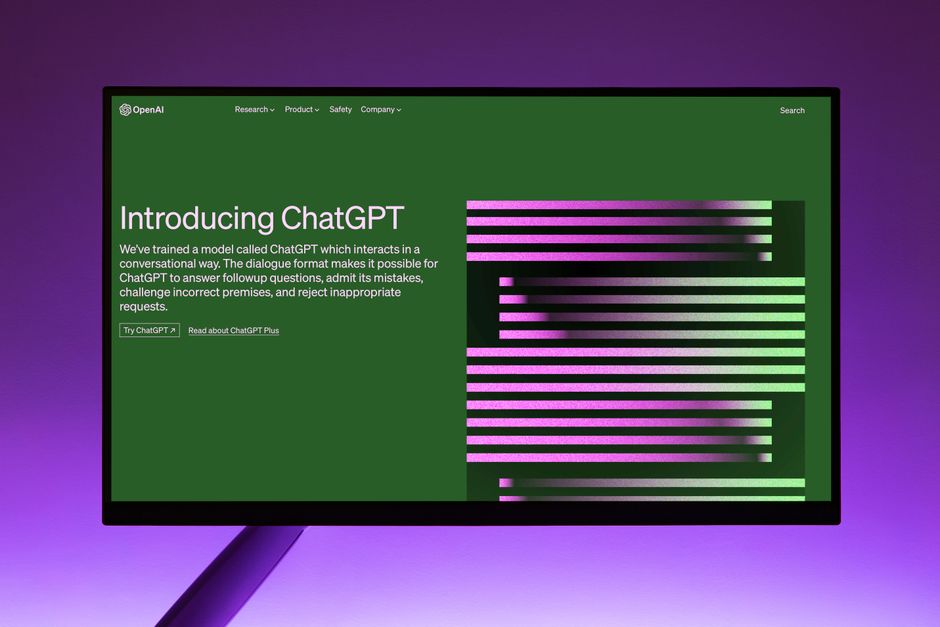
For many businesses and individuals, keeping pace with design trends, mastering complex SEO algorithms, crafting compelling ad campaigns, and generating newsworthy content for platforms like Google News can feel like a full-time job – or several full-time jobs. This is where Artificial Intelligence, specifically advanced language models like Google’s Gemini and OpenAI’s ChatGPT, step in as game-changers.
Forget the old narrative of AI replacing human creativity. Instead, imagine AI as your ultimate co-pilot, a powerful assistant that augments your capabilities, streamlines workflows, and helps you achieve levels of efficiency and insight previously unattainable. This article will explore how integrating Gemini and ChatGPT into your website development, design, SEO, Pay Per Click (PPC), and content strategy for Google News can transform your online presence from merely functional to truly formidable.
AI as Your Website Design & Development Co-Pilot
The initial stages of website creation, from concept to launch, can be a labyrinth of decisions. AI can significantly simplify and accelerate this process, allowing you to focus on the strategic vision rather than getting bogged down in repetitive tasks.
Streamlining Initial Design & Content Creation
- Content Outlines & First Drafts: Instead of staring at a blank page, use ChatGPT or Gemini to generate detailed content outlines for your homepage, service pages, or “About Us” section. Provide a brief about your business, target audience, and key messages, and AI can produce compelling first drafts of copy, saving hours of initial writing time.
- Brainstorming Design Elements & User Flows: Describe your brand’s aesthetic, target user, and website goals to AI. It can suggest design themes, color palettes, font pairings, and even optimal user flows for specific actions (e.g., booking a service, making a purchase). While not a substitute for a human designer, it provides excellent starting points and inspiration.
- Code Snippet Generation & Validation: For those with some technical knowledge, AI can generate basic HTML, CSS, or JavaScript snippets for common components (forms, navigation menus). It can also help debug existing code by identifying potential errors or suggesting improvements, making the development process smoother.
Practical Tip: When designing a new page, feed AI your primary goal (e.g., “get users to sign up for a newsletter”) and ask it to generate 10 different call-to-action (CTA) button texts. This allows for quick A/B testing and optimization.
Supercharging Your SEO Strategy with AI
SEO is the backbone of organic online visibility, and AI is revolutionizing how we approach it. From deep dives into keyword research to optimizing content for search engine algorithms, Gemini and ChatGPT are invaluable allies.
Advanced Keyword Research & Content Optimization
- Uncovering Hidden Keywords: Beyond standard keyword tools, AI can help uncover long-tail keywords, semantic variations, and questions users ask around a topic. Feed it your main keyword, and ask for related queries, user intent, and competitor content analysis to find untapped opportunities.
- Content Enhancement: Submit your existing blog posts or page content to AI and ask for suggestions to improve readability, incorporate LSI (Latent Semantic Indexing) keywords, or structure the content for better chances of appearing in featured snippets. It can even help rephrase sentences for conciseness and impact.
- Meta Data Generation: Crafting unique and compelling meta titles and descriptions for every page can be tedious. AI can generate multiple options based on your content, ensuring they are keyword-rich, within character limits, and enticing to click. It can also suggest basic schema markup for common content types like FAQs or product reviews.
Practical Tip: Provide AI with a competitor’s successful article on a similar topic and ask it to identify gaps in their content or suggest ways to create a more comprehensive and authoritative piece that outranks them.
Technical SEO & Site Performance Boosts
- Identifying Technical Issues: While AI can’t directly crawl your site, you can feed it reports from tools like Google Search Console or Lighthouse. Ask AI to interpret the data, identify potential technical SEO issues (e.g., crawl errors, broken links, slow loading assets), and suggest actionable solutions.
- Performance Optimization Ideas: Ask AI for recommendations on improving page speed, such as efficient image compression techniques, lazy loading strategies, or best practices for caching. It can explain complex performance concepts in simple terms.
Practical Tip: If you have a specific technical SEO question (e.g., “What’s the best way to handle pagination for SEO on an e-commerce site?”), ask AI for a detailed explanation and best practices, saving you time researching multiple sources.
AI-Powered PPC & Digital Advertising Campaigns
Pay Per Click (PPC) advertising requires constant optimization and creative iteration. AI can give you a significant edge in crafting effective campaigns that resonate with your target audience and drive conversions.
Crafting Compelling Ad Copy & Targeting
- Generating Ad Variations: Provide AI with your product/service, target audience, and key selling points. It can generate dozens of compelling headlines, description lines, and call-to-action phrases for Google Ads, Facebook Ads, or other platforms. This allows for extensive A/B testing to find the highest-performing copy.
- Audience Segmentation Suggestions: Based on your website analytics, customer demographics, or market research data, AI can suggest niche audience segments to target with tailored ad messages, improving relevance and reducing wasted spend.
Practical Tip: Feed AI your current ad performance data (impressions, clicks, conversions) and ask it to identify patterns or suggest improvements for underperforming ad groups or keywords.
Optimizing Landing Page Experience
- Conversion-Focused Copy: AI can help refine your landing page copy to be more persuasive, clear, and aligned with your ad messaging. Ask it to focus on benefits, address pain points, and guide users towards a specific conversion goal.
- Layout & Element Suggestions: Describe your landing page’s purpose to AI, and it can suggest optimal placement for CTAs, testimonials, trust signals, and form fields to maximize conversion rates.
Practical Tip: Before launching a new landing page, ask AI to review it from the perspective of a skeptical user, identifying any potential points of confusion or friction that might hinder conversions.
Amplifying Your Reach with Google News & Content Strategy
Beyond traditional SEO, getting your content picked up by Google News and other aggregators can dramatically increase your reach and authority. AI can assist in crafting content that stands out in the news cycle.
Generating News-Worthy Content Ideas
- Trend Identification: Use AI to analyze current events, industry news, and trending topics within your niche. Ask it to identify angles that would be relevant and appealing to news outlets or aggregators.
- Press Release & Article Brainstorming: Provide AI with a new product launch, company milestone, or unique insight. It can help brainstorm headlines, key messages, and narrative structures for press releases or news articles designed to capture media attention.
Practical Tip: Ask AI to summarize complex industry reports or research papers into concise, impactful bullet points or a short news brief, highlighting the most significant findings.
Structuring Content for News Visibility
- Headline Optimization: News outlets prioritize clear, concise, and impactful headlines. AI can generate multiple headline options that are optimized for news algorithms and human readability, focusing on timeliness and relevance.
- E-E-A-T Adherence: Google emphasizes Experience, Expertise, Authoritativeness, and Trustworthiness (E-E-A-T). AI can help you structure your content to highlight these aspects, suggesting where to include expert quotes, data points, or author bios to build credibility.
Practical Tip: Take an existing blog post and ask AI to reformat it into a “news article” style, focusing on a strong lead paragraph, inverted pyramid structure, and clear attribution, making it more suitable for news distribution.
Practical Tips for Integrating AI into Your Workflow
- Start Small, Experiment Often: Don’t try to overhaul your entire workflow at once. Begin by using AI for specific, repetitive tasks like generating meta descriptions or brainstorming blog topics.
- Human Oversight is Non-Negotiable: AI is a tool to augment, not replace. Always review, fact-check, and refine AI-generated content and suggestions to ensure accuracy, brand voice, and ethical considerations.
- Master Prompt Engineering: The quality of AI output directly correlates with the quality of your prompts. Learn how to be specific, provide context, define roles (e.g., “Act as a senior marketing strategist”), and iterate on your prompts.
- Combine AI with Existing Tools: AI works best when integrated with your current ecosystem. Use it to enhance data from Google Analytics, inform decisions in your CMS, or refine campaigns in your ad platforms.
- Stay Curious & Adaptable: The AI landscape is evolving rapidly. Keep abreast of new features, models, and best practices to continually leverage its full potential.
Frequently Asked Questions (FAQ)
Q: Can AI build a website from scratch for me?
A: