Remember when building a standout website felt like you needed a small army of experts? A developer, a designer, an SEO specialist, a copywriter, and a PPC guru – each with their own unique set of skills and, let’s be honest, their own unique rates. For many small businesses, startups, or even ambitious individuals, this dream often stayed just that: a dream, too expensive or too complex to pursue fully.
But what if there was a way to level the playing field? What if you could harness the power of artificial intelligence, specifically tools like Gemini and ChatGPT, to act as your strategic co-pilot through the entire journey of your website? Not just for writing a blog post, but for ideation, design tweaks, SEO strategy, ad campaign creation, and even getting your content noticed by Google News. This isn’t about replacing human creativity or expertise, but about augmenting it, making complex tasks simpler, faster, and more accessible. Welcome to the era where your website’s success story is written with the help of AI, empowering you to build, optimize, and market smarter, not harder.
Your AI Co-Pilot for Web Excellence
Let’s dive into practical ways AI can transform your website’s lifecycle, from its foundational development to its ongoing marketing impact.
1. Igniting Your Website’s Foundation with AI (Development & Design)
Before a single line of code is written or a design mock-up created, AI can be an invaluable brainstorming partner, helping you lay a solid groundwork for your website.
- Idea Generation & Niche Definition: Stuck on what your website should even be about, or how to differentiate it? Prompt Gemini or ChatGPT with your interests, skills, or business ideas. Ask it to generate niche concepts, target audience profiles, and even unique selling propositions. For instance, “Give me 5 unique website ideas for a sustainable fashion brand targeting Gen Z, including potential revenue streams.”
- Design Inspiration & UX Best Practices: While AI won’t design your site from scratch (yet!), it can be a powerful source of inspiration. Describe your brand, target audience, and desired feel. Ask for color palette suggestions, font pairings, layout ideas for specific pages (e.g., “Suggest a modern, minimalist homepage layout for a B2B SaaS product,” or “What UX elements are crucial for an e-commerce checkout page?”). This helps you articulate your vision to a designer or inform your DIY design choices.
- Content Structure & Initial Drafts: Before you write a word, AI can help outline your website’s core pages. Ask it to generate an outline for your “About Us,” “Services,” or “Product Description” pages, including key sections and calls to action. You can then use these outlines to draft initial copy, saving significant time and ensuring you cover all essential points. Remember to always infuse your unique brand voice and verify facts.
- Basic Code Snippets & Troubleshooting: For those doing some DIY web development, AI can be a lifesaver for small tasks. Need a simple HTML structure for a contact form? Want a basic CSS snippet to make an image responsive? Or perhaps a simple JavaScript function for a button click? Ask ChatGPT. It can provide functional code snippets and even explain what they do, empowering you to make minor adjustments without needing a full-time developer. Always test any AI-generated code thoroughly.
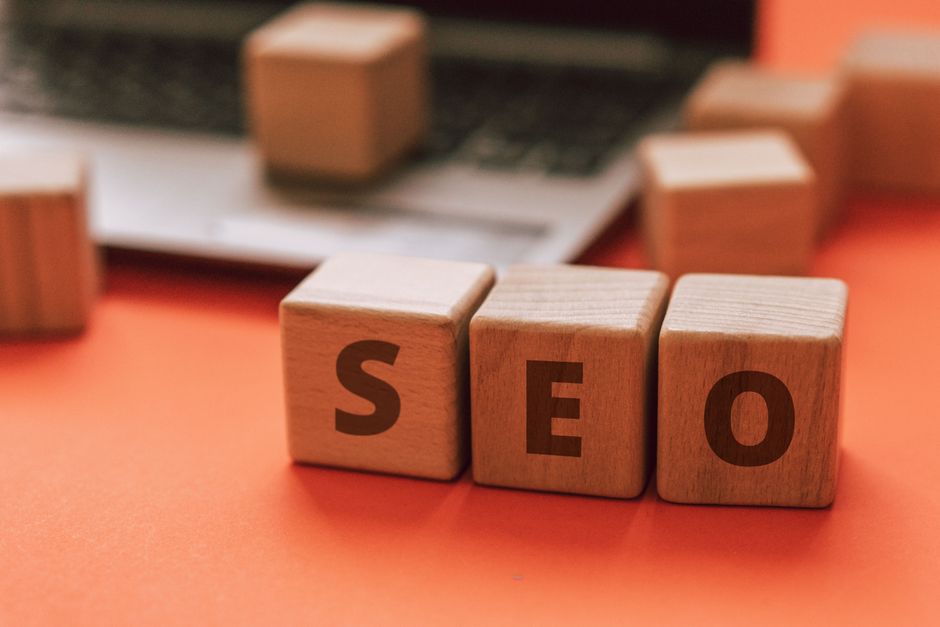
2. Supercharging Your SEO Strategy with AI
SEO (Search Engine Optimization) is often seen as a dark art, but AI democratizes many of its complexities, making your website more discoverable to your target audience.
- Advanced Keyword Research: Go beyond basic keyword tools. Use AI to brainstorm long-tail keywords, semantic variations, and questions people ask related to your main topics. Prompt Gemini with “Generate 50 long-tail keywords for ‘sustainable vegan leather handbags’ focusing on intent-based searches” or “What are common user questions about ‘home solar panel installation costs’?” This uncovers hidden opportunities.
- Content Optimization & Readability: Feed your existing blog posts or page content into ChatGPT. Ask it to “optimize this article for the keyword ‘best organic dog food brands’ while improving readability for a 6th-grade level” or “suggest internal linking opportunities within this article to related content on my site.” AI can identify keyword gaps, suggest synonyms, improve sentence structure, and ensure your content is clear and engaging.
- Compelling Meta Descriptions & Titles: Crafting click-worthy meta descriptions and page titles is crucial for attracting searchers. Give AI your page content and target keywords, then ask it to “write 5 unique, click-worthy meta descriptions (under 160 characters) and page titles (under 60 characters) for this article on ‘DIY home gardening for beginners’.” This saves time and provides diverse options to test.
- Schema Markup Generation: Schema markup helps search engines understand your content better, leading to rich snippets. AI can help you understand and even generate basic JSON-LD schema. For example, “Generate JSON-LD schema for a blog article about ‘The History of Coffee’ including author, date published, and image.” While you’ll need to verify and implement it, AI provides a powerful starting point.
3. Mastering PPC Campaigns with AI’s Insight
Pay-Per-Click (PPC) advertising can deliver immediate traffic, but crafting effective campaigns requires precision. AI can be your secret weapon for more impactful ads and better ROI.
- Dynamic Ad Copy Generation: Manually writing multiple ad variations for different ad groups is tedious. Provide AI with your product/service features, benefits, and target audience. Ask it to “generate 10 unique Google Ads headlines (under 30 characters) and 5 descriptions (under 90 characters) for a fitness app targeting busy professionals.” This allows for A/B testing multiple angles quickly.
- Audience Targeting Ideas: AI can help you brainstorm specific audience segments you might not have considered. Describe your ideal customer, and ask AI to “suggest detailed demographic, interest, and behavioral targeting ideas for a luxury travel agency specializing in eco-tours.” This can uncover new segments for your Google Ads or social media campaigns.
- Landing Page Optimization Suggestions: The best ad is useless without a great landing page. Feed your landing page copy into AI and ask for suggestions to improve its alignment with your ad copy, enhance its conversion rate, or clarify its call to action. For example, “Analyze this landing page copy for ‘online coding bootcamp’ and suggest improvements to increase sign-ups, specifically focusing on headline impact and CTA clarity.”
- Negative Keyword Identification: Wasted ad spend often comes from showing ads to irrelevant searches. AI can help you proactively identify negative keywords. Ask, “Generate a list of negative keywords for a ‘used car dealership’ to avoid irrelevant searches like ‘new cars,’ ‘car repairs,’ or ‘car parts’.” This refines your targeting and improves efficiency.
4. Breaking Through with Google News & AI
Getting your content featured on Google News can drive massive traffic and establish authority. AI can help you spot opportunities and craft content that resonates with news aggregators.
- Identifying News-Worthy Topics: Stay ahead of the curve. Use AI to analyze current trends, breaking news, and industry developments relevant to your niche. Prompt Gemini with, “What are the top 5 trending topics in renewable energy right now, and how can a solar panel installation company create news-worthy content around them?” This helps you piggyback on relevant events.
- Content Structuring for News: News articles have a specific structure (inverted pyramid, strong lead, factual support). AI can guide you. Ask, “Outline a news-style article about a recent breakthrough in AI ethics, ensuring it’s suitable for Google News, with a strong headline and summary.” This helps you present information clearly and concisely.
- E-E-A-T Enhancement: Google values Expertise, Experience, Authoritativeness, and Trustworthiness (E-E-A-T), especially for news. Use AI to generate supporting facts, statistics, and even hypothetical expert quotes (always verify facts and attribute real sources if used!). Prompt, “Provide 3 supporting statistics on the growth of remote work, citing potential sources, to enhance an article’s E-E-A-T.” This adds depth and credibility.
- Headline Optimization for News Feeds: News headlines need to be impactful and informative. Use AI to generate multiple headline options that are concise, keyword-rich, and designed to grab attention in a fast-scrolling news feed. “Generate 10 compelling news headlines for an article about the impact of quantum computing on cybersecurity.”
Frequently Asked Questions About AI and Your Website
Is AI going to replace web developers and designers?
Not entirely, and certainly not anytime soon. AI tools are powerful assistants that automate repetitive tasks and provide intelligent suggestions. They excel at data analysis, content generation, and code snippets. However, the strategic vision, complex problem-solving, creative flair, understanding of human psychology, and nuanced execution still require human developers and designers. AI empowers them, making their work more efficient and impactful, rather than replacing them.
How accurate are AI-generated suggestions for SEO and PPC?
AI suggestions are highly valuable but should always be treated as a starting point, not a definitive answer. They are based on the vast datasets they were trained on, which can sometimes be outdated or lack specific industry context. Always verify facts, cross-reference keyword suggestions with actual search volume data, and test ad copy variations in real campaigns. Human oversight is crucial for accuracy, brand alignment, and ethical considerations.
Can I use AI to write all my website content?
While AI can generate extensive content, relying solely on it for all your website copy is generally not recommended. AI-generated content can sometimes lack a unique brand voice, emotional depth, or the nuanced understanding of your specific audience. It’s best used for drafting, brainstorming, outlining, or generating variations. Always edit, refine, and infuse your human touch to ensure authenticity, accuracy, and originality that truly connects with your visitors and reflects your brand.
What’s the best AI tool for beginners to start with?
For most beginners looking to leverage AI for their website