In today’s digital landscape, a website isn’t just a digital brochure; it’s a dynamic sales engine, a customer service portal, and a brand storyteller all rolled into one. But building a truly effective website – one that not only looks great but also ranks high, converts visitors, and adapts to user needs – can feel like a monumental task. What if you had an intelligent co-pilot guiding you through every step, from initial concept to ongoing optimization?
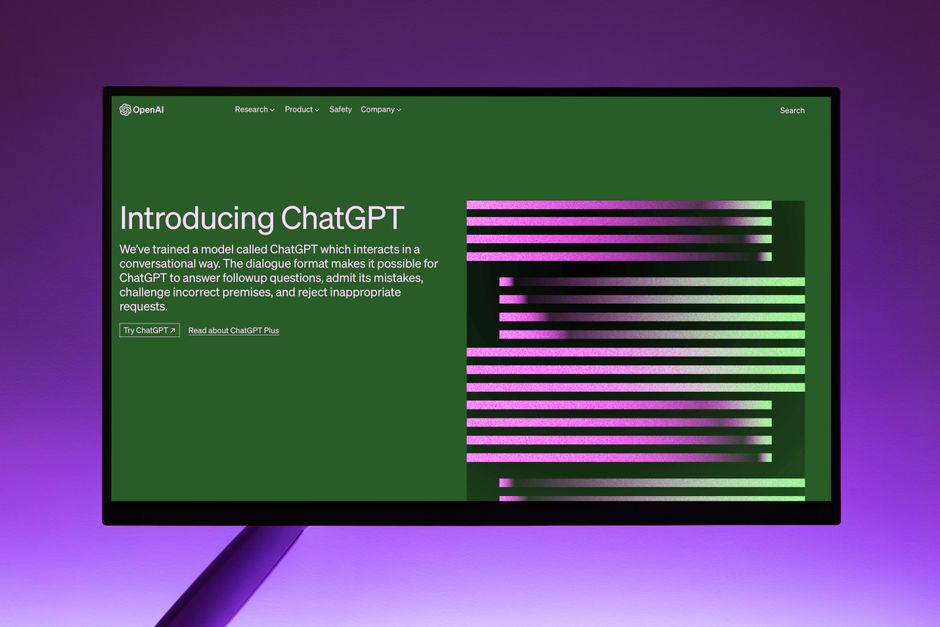
Enter Artificial Intelligence, specifically powerful large language models like Google’s Gemini and OpenAI’s ChatGPT. These aren’t just tools for generating clever content; they’re becoming indispensable partners in modern website development and design. Forget the old ways of struggling with every detail alone. The AI Edge is about leveraging these intelligent assistants to build smarter, more efficient, and ultimately more successful websites that truly deliver on SEO, Pay-Per-Click (PPC) campaigns, and even breaking through on platforms like Google News.
The AI Web Co-Pilot: Why Now?
The internet moves fast. User expectations are higher than ever, and search engine algorithms are constantly evolving. For businesses, agencies, and individual creators, keeping up can be exhausting. This is where AI steps in, not as a replacement for human creativity and expertise, but as a powerful amplifier. Gemini and ChatGPT can process vast amounts of information, identify patterns, generate ideas, and even assist with technical tasks at a speed and scale impossible for a human alone.
The practical user intent here is clear: you want a website that works harder for your business. You want it to rank well, attract the right audience, and convert them into customers. You want to streamline your workflow and make smarter decisions. AI provides the leverage to achieve these goals, transforming the website development process from a laborious grind into an intelligent, collaborative journey.
Phase 1: AI-Powered Planning & Strategy
Every great website begins with a solid plan. AI can drastically accelerate and refine this crucial initial phase, ensuring your foundation is robust and strategically sound.
Nailing Your Niche & Audience with AI
- Market Research & Competitor Analysis: Ask Gemini or ChatGPT to summarize market trends, identify key competitors, and analyze their online presence. “Give me a SWOT analysis of [competitor website] focusing on their SEO strategy and content gaps.”
- Persona Development: Describe your ideal customer, and AI can help flesh out detailed buyer personas, complete with pain points, motivations, and preferred communication channels. “Create three detailed buyer personas for a small business selling eco-friendly pet products.”
Content Strategy & Structure
- Idea Generation: Struggling for blog topics or page content ideas? AI can brainstorm hundreds of ideas based on your niche, target audience, and current trends. “Generate 20 blog post ideas for a website selling handmade artisanal coffee mugs, focusing on unique selling propositions.”
- Sitemap & Navigation Outlines: Provide your core services or products, and AI can suggest logical website structures and navigation menus that enhance user experience (UX) and SEO. “Propose a sitemap and main navigation categories for an online fitness coaching platform targeting busy professionals.”
- Keyword Research Integration: While dedicated SEO tools are vital, AI can help interpret keyword data, suggest semantic keywords, and even group related terms for content clusters. “Based on the keyword ‘sustainable fashion tips,’ suggest 10 long-tail keywords and potential blog titles.”
Phase 2: Design & Development Synergy with AI
Once the strategy is in place, AI continues to be an invaluable asset in bringing your website to life, from visual concepts to actual code.
Visualizing with AI
- Mood Boards & Style Guides: Describe your brand’s aesthetic, and AI can suggest color palettes, font pairings, and imagery styles. While not a graphic designer, it can provide a strong starting point for your visual direction. “Suggest a modern, minimalist color palette and font pairing for a tech startup website.”
- UI/UX Best Practices: Ask AI for best practices related to specific page layouts, call-to-action placements, or mobile responsiveness. It can act as a virtual consultant, pointing you towards proven design patterns. “What are the best UI/UX practices for an e-commerce product page to maximize conversions?”
Code Snippets & Debugging Assistance
- Boilerplate Code Generation: For developers, AI can quickly generate standard code snippets for common tasks, saving significant time. “Write a basic HTML structure for a responsive two-column layout with a header and footer.”
- Debugging & Error Identification: Copy and paste a code error message or a problematic section of code, and AI can often pinpoint the issue and suggest solutions. “I’m getting a ‘TypeError: undefined is not a function’ in my JavaScript. Here’s the code: [paste code]. What might be wrong?”
- Accessibility Checks: AI can highlight potential accessibility issues in your design or code, helping you build a more inclusive website. “What are common accessibility pitfalls in web forms and how can I avoid them?”
Crafting Compelling Copy
- Headline & CTA Variations: Generate multiple options for impactful headlines, subheadings, and calls-to-action that resonate with your audience and encourage engagement. “Give me 10 compelling calls-to-action for a landing page promoting a free e-book on digital marketing.”
- Initial Drafts & Tone Adjustment: Provide key points, and AI can draft initial content sections, which you can then refine and inject with your unique brand voice. It can also help adjust tone: “Rewrite this paragraph in a more enthusiastic and encouraging tone.”
Phase 3: Optimizing for Visibility (SEO, PPC, Google News)
Building the website is only half the battle. Making sure it gets seen is where AI truly shines, offering unparalleled assistance in your marketing efforts.
SEO Beyond Keywords
- On-Page Optimization Suggestions: AI can analyze your content and suggest improvements for on-page SEO, including internal linking opportunities, readability enhancements, and meta description optimization. “Analyze this blog post for SEO improvements, specifically for the keyword ‘vegan meal prep ideas’.”
- Schema Markup Ideas: Understanding and implementing schema markup can be complex. AI can help you identify relevant schema types and even generate basic JSON-LD code for common elements like reviews, products, or events. “Generate JSON-LD schema for a recipe page for ‘Spicy Lentil Soup’.”
- Content Gap Analysis: By comparing your content against competitors or industry leaders, AI can help identify topics you’re missing that could attract more organic traffic. “What content topics related to ‘home solar installation’ are frequently searched but not widely covered by competitors?”
Sharpening Your PPC Campaigns
- Ad Copy Variations: Generate a multitude of ad headlines and descriptions tailored for different audience segments or campaign goals, allowing for robust A/B testing. “Create 5 distinct Google Ads headlines and descriptions for a limited-time offer on online coding courses.”
- Audience Targeting Insights: AI can help refine your understanding of potential PPC audiences based on demographics, interests, and behaviors, improving your targeting precision. “Suggest demographic and interest-based targeting options for a Facebook Ads campaign promoting luxury travel packages.”
- Landing Page Optimization Ideas: Ask AI for suggestions on how to improve your landing page copy and layout to align better with your PPC ads and boost conversion rates. “What elements should I prioritize optimizing on a landing page designed to capture leads for a B2B SaaS product?”
Breaking Through on Google News
- Identifying Trending Topics: AI can help you spot emerging news trends relevant to your niche, allowing you to create timely and newsworthy content that has a higher chance of being picked up. “What are the current trending topics in renewable energy technology that would be suitable for a news article?”
- Crafting Newsworthy Article Outlines: Structure your news articles to meet journalistic standards, ensuring they are concise, informative, and engaging. “Outline a news article about a recent breakthrough in AI ethics, including key points and potential sources.”
- Summary Generation for News Snippets: Google News often displays concise summaries. AI can help you craft compelling, short summaries that entice readers to click through to your full article. “Summarize this 800-word article about the future of remote work into a 50-word news snippet.”
Phase 4: Launch & Beyond – The AI Advantage Continues
The journey doesn’t end at launch. AI remains a valuable partner for ongoing maintenance, analysis, and iteration.
Pre-Launch Checklist & Testing
- Comprehensive Checklists: AI can generate detailed pre-launch checklists covering technical aspects, content review, SEO checks, and legal considerations. “Create a comprehensive pre-launch checklist for a new e-commerce website.”
- User Testing Scenarios: Get ideas for user testing scenarios and questions to ensure your website provides an optimal experience before going live. “Suggest 5 user testing scenarios for a new online booking system.”
Post-Launch Analytics & Iteration
- Summarizing Analytics Data: Feed raw analytics data or key metrics to AI, and it can help you identify trends, anomalies, and areas for improvement more quickly. “Summarize the key takeaways from this Google Analytics report focusing on user engagement and bounce rate.”
- A/B Test Ideas: Based on performance data, AI can suggest specific elements to A/B test (e.g., button colors, headline variations, image choices) to continuously optimize your website’s performance. “Given a low conversion rate on my homepage, suggest 3 A/B test ideas for the main hero section.”
Frequently Asked Questions
Is AI going to replace web developers/designers?
No, not entirely. AI tools like Gemini and ChatGPT are powerful assistants, not replacements. They automate tedious tasks, provide insights, and generate initial drafts, freeing up human developers and designers to focus on higher-level strategy, creativity, critical thinking, and complex problem-solving. The human touch remains essential for unique vision, emotional intelligence, and ethical considerations.
How much does it cost to use AI tools like Gemini/ChatGPT for web dev?
Many AI tools, including basic versions of Gemini and ChatGPT, offer free tiers. For more advanced features, higher usage limits, or access to specific APIs, there are typically subscription plans that vary in cost. Compared to hiring additional staff or consultants for every task, leveraging AI can be a very cost-effective way to enhance your web development process.
Can AI really help with unique designs?
AI excels at generating variations and combining existing elements in novel ways, which can certainly lead to unique design *ideas*. However, truly groundbreaking, innovative design often stems from human intuition, artistic vision, and a deep understanding of human psychology that AI is still developing. AI is best used to inspire, iterate, and refine, rather than dictate, unique design.
What are the limitations of using AI in web development?
While powerful, AI has limitations. It can sometimes generate incorrect or outdated information (“hallucinations”), lack true understanding of context, and struggle with highly complex or abstract creative tasks. It also relies on the data it was trained on, which might contain biases. Human oversight, fact-checking, and critical evaluation are always necessary to ensure accuracy, quality, and ethical considerations.
Conclusion
The future of website development and design isn’t about choosing between human ingenuity and artificial intelligence; it’s about combining them. By embracing AI tools like Gemini and ChatGPT as your intelligent co-pilots, you can streamline your workflow, make data-driven decisions, and unlock new levels of efficiency and creativity. From initial market research and content strategy to