Building a successful website used to feel like a monumental task. You needed a web designer, a developer, an SEO specialist, a content writer, and maybe even a PPC expert. The costs could skyrocket, and the learning curve was steep. For small businesses, solopreneurs, or anyone with a brilliant idea, this often meant their online dreams stayed just that: dreams.
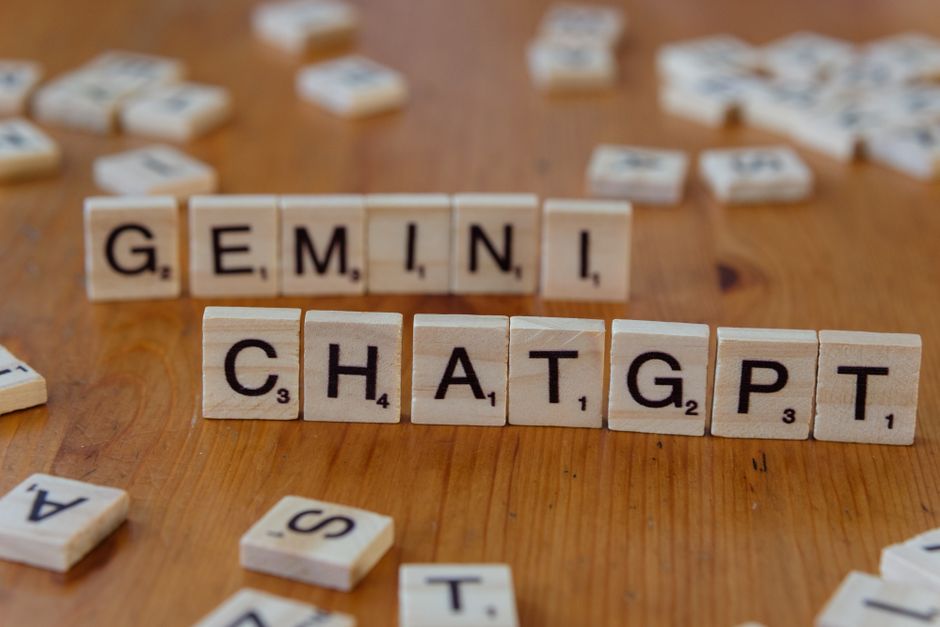
But what if there was a way to significantly streamline this entire process, making professional-grade website development, design, and marketing accessible to everyone? Enter the new era of AI, specifically powerful tools like Google Gemini and OpenAI’s ChatGPT. These aren’t just chatbots for writing emails; they’re becoming sophisticated co-pilots capable of assisting across the entire lifecycle of your website – from its initial blueprint to making waves on Google News. This article will show you how to leverage these AI marvels to build, optimize, and promote a hyper-visible website, even if you don’t have a tech degree or an unlimited budget.
The New Era of Website Creation: AI as Your Co-Pilot
Forget the old notion of AI as a futuristic concept. Today, tools like Gemini and ChatGPT are practical, hands-on assistants. They don’t replace human creativity or strategic thinking, but they augment it, handling the heavy lifting of research, ideation, and even basic execution. Imagine having a team of digital experts at your fingertips, ready to brainstorm design concepts, outline SEO-friendly content, or even draft compelling ad copy. That’s the power these AI models bring to website development and online marketing.
The secret lies in understanding how to prompt them effectively. By asking the right questions and providing context, you can tap into their vast knowledge base and processing power to accelerate every stage of your website’s journey. From crafting the perfect user experience to ensuring your content ranks high in search results and even gets picked up by news aggregators, AI is changing the game for good.
Practical Strategies: Leveraging Gemini & ChatGPT Across Your Website’s Lifecycle
Let’s dive into actionable ways you can integrate Gemini and ChatGPT into your website strategy, transforming complex tasks into manageable steps.
Phase 1: Blueprinting Your Brilliant Website (Design & Development)
Before a single line of code is written or a design element placed, AI can help you lay a solid foundation for your website. This is where strategic planning meets practical execution.
- User Persona & Journey Mapping: Ask Gemini or ChatGPT to help you define your ideal customer. “Create three detailed user personas for an online pottery class website, including their goals, pain points, and tech savviness.” Then, “Map out a user journey for Persona A from discovering the website to making a purchase, identifying potential friction points.” This informs your website design and content strategy.
- Content Structure & Architecture: Provide your website’s main goal and target audience. “Suggest a logical sitemap and content categories for an e-commerce store selling artisanal coffee beans.” Or, “Outline the key sections and content for a ‘Services’ page for a freelance graphic designer, focusing on conversion.”
- Design Inspiration & Wireframe Ideas: While AI can’t design visually (yet!), it can provide detailed descriptions. “Describe a modern, minimalist homepage layout for a B2B SaaS company, including hero section elements, feature displays, and a call-to-action.” You can then feed this description to a human designer or use it as a guide for a no-code builder.
- Basic Code Snippets & Troubleshooting: For those doing some DIY website development, AI can be a lifesaver. “Write a simple HTML structure for a contact form with name, email, and message fields.” Or, “Explain how to center an image using CSS.” “Debug this JavaScript code snippet for a carousel.” Always verify AI-generated code, but it’s a great starting point.
Phase 2: Supercharging Your SEO (Search Engine Optimization)
Getting found online is paramount. AI can be your ultimate SEO assistant, helping you identify opportunities and optimize your content for search engines.
- Advanced Keyword Research: Go beyond basic keywords. Ask, “Generate a list of long-tail, low-competition keywords related to ‘sustainable urban gardening’ with high commercial intent.” Or, “Identify questions people ask about ‘hybrid work models’ that could form the basis of blog posts.”
- Content Outlines & Topic Clusters: Once you have keywords, AI can help structure your content. “Create a detailed blog post outline for the keyword ‘best ergonomic office chairs for back pain,’ including H2s, H3s, and key points to cover.” You can also ask it to suggest related topics to build a comprehensive topic cluster around a core theme.
- Compelling Meta Descriptions & Title Tags: Crafting these can be tedious. “Write five unique, click-worthy meta descriptions (under 160 characters) and title tags (under 60 characters) for a product page selling ‘organic lavender essential oil,’ incorporating relevant keywords.”
- Internal Linking Strategies: AI can help improve your site’s SEO by suggesting internal links. “Given a new blog post about ‘beginner’s guide to home brewing,’ suggest 5 existing blog posts on my website (list them) that I should link to, along with anchor text suggestions.”
- Competitor Analysis & Content Gaps: Ask AI to simulate a competitor analysis. “Imagine I’m competing with [Competitor Website URL]. What are 5 content topics they likely rank for that I don’t, and how can I create superior content around them?”
Phase 3: Amplifying Your Reach (PPC & Google News)
Once your website is built and optimized, AI can help you get the word out and even achieve significant visibility through news channels.
- PPC Ad Copy Generation: Crafting effective ad copy that converts is an art. “Write 10 variations of Google Ads headlines and descriptions for a ‘limited-time sale on premium pet food,’ targeting owners of small dogs, focusing on urgency and quality.” Ask for different tones or angles.
- Audience Targeting Ideas: While you’ll need to input these into your ad platform, AI can help brainstorm. “Suggest detailed audience segments for a Facebook Ad campaign promoting a new online course on ‘digital marketing for artists,’ including interests, demographics, and behaviors.”
- Identifying Trending Topics for Google News: This is a powerful, often overlooked strategy. Ask Gemini, “What are the top 5 trending topics related to ‘sustainable fashion’ right now that could be turned into a news-worthy article?” Or, “Analyze recent news headlines about ‘AI in healthcare’ and suggest an angle for a blog post that could appeal to journalists.”
- News-Optimized Content Outlines: Once you have a trending topic, ask AI to help structure it for news outlets. “Create a concise, factual news article outline about [trending topic], focusing on a strong hook, key facts, and a forward-looking statement.” This increases your chances of getting picked up by Google News or other aggregators.
- Content Repurposing for Virality: “Take this blog post about ‘the future of remote work’ and suggest 3 ways to repurpose it into short social media updates, 1 LinkedIn post, and 1 email newsletter snippet.”
Beyond the Hype: Realistic Expectations and Ethical Use
While AI is incredibly powerful, it’s crucial to approach it with a clear understanding of its limitations. AI is a tool, not a magic bullet or a replacement for human intellect and oversight. Always remember:
- Fact-Checking is Essential: AI can sometimes “hallucinate” or provide inaccurate information. Always verify any facts, statistics, or technical details generated by Gemini or ChatGPT, especially for SEO and news-related content.
- Human Touch Matters: While AI can draft content, the best articles retain a unique human voice, perspective, and empathy. Use AI to generate drafts, outlines, or ideas, but infuse your own brand voice and expertise.
- Originality and Plagiarism: While AI generates unique text, it’s trained on vast datasets. Always check for originality, especially if you’re concerned about duplicate content. Focus on using AI to *assist* your unique content creation, not to fully automate it without review.
- Ethical Considerations: Be transparent where appropriate, especially if you’re an agency using AI for client work. Understand that search engines prioritize helpful, reliable, people-first content, regardless of how it’s produced.
Frequently Asked Questions (FAQ)
Can AI build my entire website from scratch?
While AI can generate code snippets, design ideas, and content, it cannot yet build a fully functional, custom website from a single prompt. It excels as an assistant, helping you with specific tasks within the broader website development and design process. Think of it as a highly skilled co-pilot, not an autonomous pilot.
Which AI tool is better, Gemini or ChatGPT, for website tasks?
Both Gemini and ChatGPT are incredibly capable. Gemini (especially its advanced versions like Gemini Advanced) often excels with multi-modal inputs (e.g., analyzing images or videos in addition to text) and has strong real-time information access, making it excellent for trending topics and up-to-date research. ChatGPT (especially GPT-4) is renowned for its robust text generation, creative writing, and coding assistance. The “better” tool often depends on the specific task and your personal preference for their interfaces and capabilities.
Do search engines penalize AI-generated content?
No, search engines like Google do not penalize content solely because it was generated by AI. Their guidelines focus on the quality and helpfulness of the content for users, regardless of how it was produced. If AI-generated content is accurate, original, valuable, and meets user intent, it can rank well. The key is to use AI responsibly and ensure human oversight to maintain quality and avoid misinformation.
How much does using these AI tools cost?
Both Gemini and ChatGPT offer free tiers with varying capabilities. For more advanced features, higher usage limits, and access to their most powerful models (like Gemini Advanced or ChatGPT Plus with GPT-4), there are subscription costs, typically ranging from $20 to $30 per month. These costs are often a fraction of what you’d pay for human specialists performing the same tasks.
What’s the learning curve for using AI effectively for website success?
The basic usage of Gemini and ChatGPT is quite intuitive – you simply type your requests. However, becoming