
Launching a website is a monumental achievement. You’ve poured time, effort, and creativity into building your digital storefront or information hub. But here’s the truth no one talks about enough: the launch is just the starting line. The real race begins post-launch – the relentless pursuit of visibility, engagement, and sustainable growth in a crowded online world.
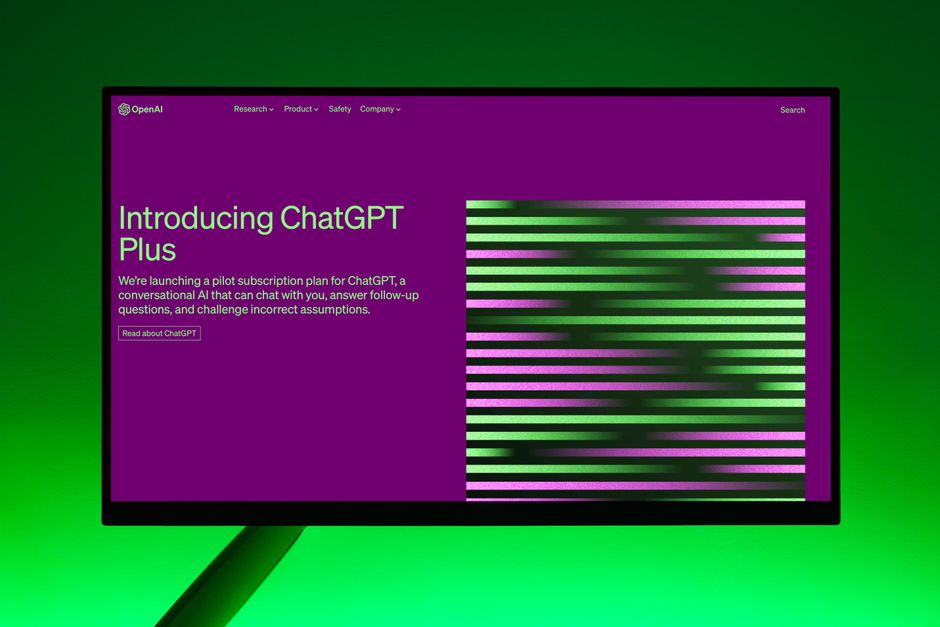
For years, this ongoing battle for digital relevance required significant manual effort, specialized teams, and deep pockets. But what if you had an intelligent co-pilot, always on, always learning, ready to assist with everything from refining your SEO strategy to optimizing your PPC campaigns and even predicting trending topics for Google News? Enter Artificial Intelligence, specifically powerful large language models like Google Gemini and OpenAI’s ChatGPT.
This isn’t about AI replacing your web developer or marketing team. It’s about AI becoming an indispensable extension of your capabilities, empowering you to achieve levels of optimization and strategic insight previously unattainable for many. Let’s explore how AI can become your ultimate growth co-pilot, transforming your post-launch journey into a path of perpetual success.
AI for Hyper-Optimized SEO Strategy: Beyond Basic Keywords
SEO (Search Engine Optimization) is the backbone of organic website growth. But in today’s dynamic search landscape, simply stuffing keywords won’t cut it. AI tools like Gemini and ChatGPT can elevate your SEO strategy from reactive to predictive and deeply analytical.
Advanced Keyword Research & Content Gap Analysis
-
Intent-Based Keyword Discovery: Forget just volume. Use AI to understand user intent behind keywords. Prompt Gemini to generate long-tail keyword clusters related to specific user problems or stages of the buying journey. For example, instead of “best CRM,” ask “What questions do small businesses ask when evaluating CRM software for the first time?”
-
Competitor Content Dissection: Feed AI tools competitor URLs and ask for a summary of their top-performing content, identifying their core keyword strategies, content structures, and unique selling propositions. Then, ask for content gaps they might be missing.
-
Semantic SEO Mapping: AI can help you build comprehensive topic clusters. Provide a core topic, and AI can suggest related sub-topics, entities, and questions that Google associates with it, helping you create truly authoritative content.
On-Page & Technical SEO Audits with AI Precision
-
Content Optimization: After drafting content, ask ChatGPT to review it for SEO best practices. “Analyze this article for keyword density, readability, and natural language flow. Suggest improvements for better search engine ranking for [target keyword].” It can help refine headings, meta descriptions, and even internal linking strategies.
-
Schema Markup Generation: While still needing human verification, AI can assist in generating structured data (Schema markup) for various content types (articles, products, FAQs). This helps search engines understand your content better and can lead to rich snippets.
-
Identify Technical Debt (Initial Scan): While AI can’t replace a full technical audit, you can input sections of your site’s code or a sitemap and ask AI to flag common issues like broken links (if provided data), missing alt tags, or potential mobile responsiveness problems based on code snippets. It’s a quick initial scan for obvious errors.
AI for Precision PPC Campaigns: Maximizing Every Dollar
Pay-Per-Click (PPC) advertising offers immediate visibility, but it can be a money pit without careful management. AI is a game-changer for optimizing your ad spend and maximizing your return on investment.
Ad Copy & Creative Generation at Scale
-
Dynamic Ad Copy Variants: Provide Gemini or ChatGPT with your product/service features, target audience, and desired call to action. Ask it to generate 10-20 distinct ad headlines and descriptions, each with a different angle (e.g., benefit-driven, urgency-driven, problem-solution). This allows for rapid A/B testing.
-
Audience-Specific Messaging: If you have different audience segments, AI can help tailor ad copy for each. “Write an ad for [product X] targeting small business owners who prioritize cost-effectiveness” vs. “Write an ad for [product X] targeting enterprise clients focused on scalability.”
-
Landing Page Copy Alignment: Ensure your ad copy seamlessly transitions to your landing page. AI can help you draft landing page content that mirrors the ad’s promise, reducing bounce rates and improving conversion rates.
Audience Segmentation & Performance Analysis
-
Identify New Targeting Opportunities: Feed AI anonymized customer data or website analytics. Ask it to identify common characteristics or behaviors among your converters. “Based on this data, what new demographic or interest-based targeting segments should I explore for my next Google Ads campaign?”
-
Predictive Performance Insights: While AI won’t run your campaigns autonomously (yet!), it can analyze campaign performance data you provide. Ask it to “Summarize the key trends in my last month’s PPC data and suggest 3 areas for improvement to lower CPC or increase conversions.” It can spot patterns human eyes might miss.
-
Negative Keyword Suggestions: A crucial part of PPC optimization is adding negative keywords. AI can generate extensive lists of irrelevant search terms based on your industry and initial keyword research, preventing wasted ad spend.
AI for Dominating Google News & Discover: Be Where It’s Happening
For many businesses, being featured in Google News or Google Discover can drive massive traffic and establish authority. AI can significantly improve your chances of breaking through the noise.
Trend Spotting & Timely Content Creation
-
Real-time News Monitoring: While not directly a news aggregator, you can use AI to process news feeds from various sources. “Summarize the top 5 trending topics in [your industry] over the last 24 hours and suggest 3 unique angles for a blog post or news article.”
-
Predictive Content Ideation: Based on historical data and current events, AI can help you anticipate future trends. “Given the current advancements in [technology X], what are potential future implications or news stories that could emerge in the next 6 months?” This allows you to create evergreen content that aligns with future news cycles.
-
Rapid Content Drafting: When a breaking story relevant to your niche emerges, AI can help you quickly draft a response, analysis, or opinion piece, allowing you to publish timely content before the window of opportunity closes.
News-Optimized Content Formatting & Discoverability
-
Headline Optimization: Google News and Discover thrive on compelling headlines. Ask AI to generate multiple headline options for your article, focusing on clarity, clickability, and relevance to current events. “Create 5 headlines for this article that would perform well on Google News, emphasizing [key benefit/angle].”
-
Snippet & Summary Generation: AI can craft concise, engaging summaries or snippets that are crucial for capturing attention in news feeds and Discover cards. Ensure these summaries accurately reflect the article’s content while enticing clicks.
-
Structured News Article Generation: While you’ll write the core, AI can help structure your article to meet journalistic standards often favored by Google News, including clear introductions, logical flow, and strong conclusions. It can also suggest related entities and topics to include for comprehensive coverage.
AI for Ongoing Website Design & UX Enhancements
Your website’s design isn’t a one-time task. User experience (UX) needs continuous refinement. AI can help you understand user behavior and suggest improvements.
User Feedback Analysis & A/B Testing Ideas
-
Sentiment Analysis of Feedback: Feed AI customer reviews, survey responses, or chatbot transcripts. Ask it to identify common pain points, positive feedback trends, or feature requests related to your website’s design or functionality.
-
Suggest A/B Test Variations: Based on identified UX issues or general best practices, AI can propose specific A/B test ideas. “Given that users are dropping off on my checkout page, suggest 3 distinct design changes for an A/B test to improve conversion rates.”
Accessibility Audits (Initial Scan)
-
Identify Basic Accessibility Issues: While not a replacement for specialized tools, AI can analyze provided content or code snippets to flag obvious accessibility issues like lack of alt text, poor color contrast (if color codes are given), or unclear link text, helping you make your site more inclusive.
Frequently Asked Questions About AI as Your Website’s Co-Pilot
Q: Is AI going to replace web developers or designers?
A: No, not entirely. AI is a powerful tool that augments human capabilities. It automates repetitive tasks, provides data-driven insights, and generates initial drafts, but human creativity, strategic thinking, ethical considerations, and nuanced problem-solving remain essential. Web professionals who embrace AI will be more efficient and effective.
Q: How do I ensure AI-generated content is unique and high quality?
A: Always treat AI-generated content as a first draft. Human review, editing, fact-checking, and infusing your unique brand voice are crucial. Use specific, detailed prompts, ask for sources, and cross-reference information. Tools like Gemini and ChatGPT are excellent for brainstorming and structuring, but the final polish comes from you.
Q: What’s the biggest mistake people make using AI for websites?
A: Over-reliance without critical oversight. Treating AI output as gospel without verification, failing to apply human judgment, or expecting it to perform complex tasks autonomously without clear direction are common pitfalls. AI is a co-pilot, not an autopilot.
Q: Can small businesses really use these advanced AI tools?
A: Absolutely! Many AI tools, including the free tiers of Gemini and ChatGPT, are highly accessible and affordable. The key is understanding how to prompt them effectively and integrating them into your existing workflows. Small businesses can leverage AI to level the playing field against larger competitors.
Conclusion: Embrace Your AI Co-Pilot for Future-Proof Growth
The digital landscape is constantly evolving, and staying ahead requires agility, insight, and continuous optimization. By embracing AI tools like Gemini and ChatGPT as your website’s intelligent co-pilot, you’re not just keeping up; you’re setting yourself up for unprecedented growth.
From fine-tuning your SEO to perfecting your PPC campaigns, identifying breaking news opportunities, and even refining your user experience, AI offers a strategic advantage. It frees up your valuable time, provides data-driven recommendations, and helps you make smarter decisions faster. The future of website development and marketing isn’t about choosing between human and AI; it’s about synergizing their strengths to build, grow, and sustain a thriving online presence. Start integrating your AI co-pilot today, and unlock the next level of digital success.